
When you eliminate grains, legumes, dairy, and processed foods, the question of what to actually cook becomes central. A well-constructed paleo plate goes beyond simply avoiding certain ingredients — it prioritizes nutrient density, digestibility, and variety. Over years of testing in my own kitchen and working with readers who follow elimination protocols, I have found that the most sustainable recipes are built around a simple framework: quality protein, abundant vegetables, healthy fats, and thoughtful seasoning that supports rather than irritates the gut.
This article walks through three recipes that illustrate that framework. Each one is designed to be flexible, easy to digest, and free of common triggers. I include notes on how to adjust for histamine sensitivity or low-FODMAP needs where relevant, because a single recipe cannot serve everyone perfectly, but it can be a starting point.
The Core Principles of a Gut-Friendly Paleo Recipe
Before diving into the recipes, it helps to understand what makes a dish work for someone managing food sensitivities or following an autoimmune protocol. The principles are straightforward:
- Choose easy-to-digest proteins. Slow-cooked meats, ground meats, and well-trimmed cuts tend to be gentler on the stomach than large, dry-roasted portions. For those with histamine intolerance, fresh or flash-frozen protein cooked immediately is preferable to leftovers.
- Prioritize cooked vegetables over raw. Cooking breaks down fibrous cell walls, making nutrients more accessible and reducing the mechanical irritation that raw salads can cause for some people.
- Use fats that support the gut lining. Extra-virgin olive oil, avocado oil, coconut oil, and animal fats from pastured sources provide energy and help absorb fat-soluble vitamins. Avoid industrial seed oils.
- Season simply. Garlic, ginger, turmeric, rosemary, thyme, and oregano are generally well-tolerated. Avoid commercial spice blends that may contain anti-caking agents, sugar, or nightshade peppers if you are in an elimination phase.
Recipe 1: Slow-Cooked Lemon Herb Chicken with Zucchini Noodles
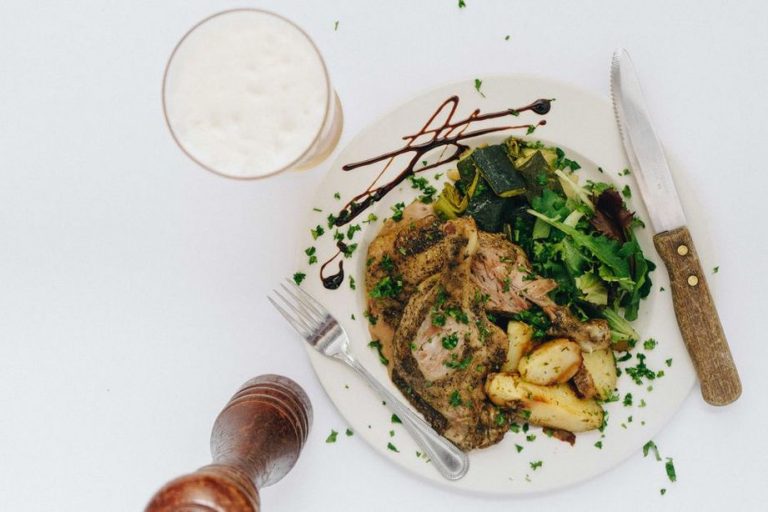
This recipe is a staple in my household during the elimination phase. It is low in histamine if made with fresh chicken and eaten immediately, and it avoids all common allergens. The slow cooking keeps the meat moist and easy to digest.
Ingredients
- 2 bone-in, skin-on chicken thighs (about 300 g total)
- 2 tablespoons extra-virgin olive oil
- Juice of 1 lemon (about 2 tablespoons)
- 2 cloves garlic, minced
- 1 teaspoon dried rosemary
- 1 teaspoon dried thyme
- ½ teaspoon salt (use sea salt or pink salt)
- 2 medium zucchini, spiralized into noodles
- Fresh parsley for garnish (optional)
Method
- In a small bowl, whisk together olive oil, lemon juice, minced garlic, rosemary, thyme, and salt.
- Place the chicken thighs in a glass or ceramic dish and pour the marinade over them. Cover and refrigerate for at least 30 minutes or up to 4 hours.
- Preheat the oven to 160°C (320°F). Transfer the chicken and marinade to a small baking dish. Cover tightly with foil and bake for 1 hour 15 minutes, until the meat is tender and pulls away from the bone easily.
- About 10 minutes before the chicken is done, heat a large skillet over medium heat. Add the spiralized zucchini and sauté for 2–3 minutes — just until warmed through but still firm. Do not overcook; zucchini noodles release water quickly.
- Serve the chicken thighs over the zucchini noodles, spooning some of the cooking juices over the top. Garnish with fresh parsley if desired.
Variation for histamine sensitivity: Skip the lemon juice (citrus can be a histamine liberator for some). Replace with 1 tablespoon of fresh ginger juice or simply use extra olive oil and herbs. Cook and serve immediately — do not store leftovers for more than a few hours.
Recipe 2: Creamy Coconut Turmeric Soup with Cauliflower and Bone Broth
Soups are one of the most forgiving formats for an elimination diet. This one uses bone broth as a base — a source of collagen and glycine that supports gut lining integrity. The turmeric and ginger add anti-inflammatory compounds without heat.
Ingredients
- 2 tablespoons coconut oil or avocado oil
- 1 medium onion, finely diced (omit for low-FODMAP; use the green parts of 3 leeks instead)
- 1 tablespoon fresh ginger, grated
- 1 teaspoon ground turmeric
- 4 cups (1 liter) homemade or store-bought bone broth (check labels for no additives, no garlic if sensitive)
- 1 medium head cauliflower, chopped into small florets (about 500 g)
- 1 can (400 ml) full-fat coconut milk (ensure no guar gum if you react to thickeners)
- ½ teaspoon salt
- Fresh cilantro or parsley for garnish
Method
- Heat the coconut oil in a large pot over medium heat. Add the onion (or leek greens) and sauté for 5 minutes until softened.
- Add the grated ginger and turmeric, stirring for 1 minute until fragrant.
- Pour in the bone broth and add the cauliflower florets. Bring to a boil, then reduce heat and simmer uncovered for 20 minutes, until the cauliflower is very tender.
- Remove the pot from heat. Use an immersion blender to puree the soup until smooth. (Alternatively, transfer in batches to a blender — allow steam to escape.)
- Stir in the coconut milk and salt. Warm through over low heat for 2 minutes. Do not boil after adding coconut milk.
- Ladle into bowls and garnish with fresh herbs.
Note on oxalates: Cauliflower is a low-oxalate vegetable, making this soup suitable for those who need to limit oxalate intake. If you tolerate spinach or Swiss chard, you can add a handful at the end for extra nutrients, but be aware of oxalate content.

Recipe 3: Pan-Seared Salmon with Roasted Asparagus and Avocado Mash
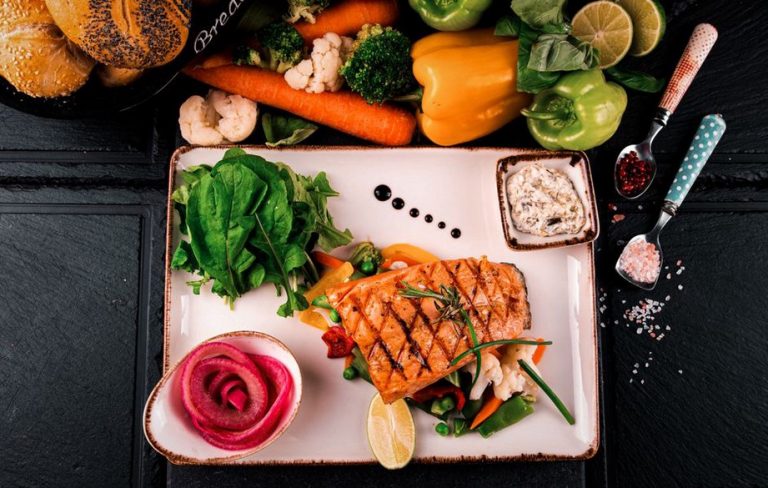
Salmon provides omega-3 fatty acids that support immune regulation and reduce inflammation. This recipe is quick — ideal for days when energy is low — and uses minimal ingredients.
Ingredients
- 2 wild-caught salmon fillets (about 150 g each), skin on
- 2 tablespoons avocado oil or ghee (if tolerated)
- 1 bunch asparagus (about 200 g), woody ends trimmed
- 1 ripe avocado
- 1 tablespoon fresh lime juice (omit for histamine sensitivity; use a splash of apple cider vinegar instead if tolerated)
- ¼ teaspoon salt
- Fresh dill or chives for garnish
Method
- Preheat the oven to 200°C (400°F). Line a baking sheet with parchment paper.
- Place the asparagus on the baking sheet, drizzle with 1 tablespoon of avocado oil, and sprinkle with a pinch of salt. Roast for 10–12 minutes, until tender but still bright green.
- While the asparagus roasts, season the salmon fillets with the remaining salt. Heat the remaining avocado oil in a non-stick skillet over medium-high heat.
- Place the salmon skin-side down and cook for 4 minutes without moving. Flip and cook for another 3 minutes for medium doneness, or 4 minutes for well done.
- While the salmon cooks, halve the avocado, remove the pit, and scoop the flesh into a small bowl. Mash with a fork and stir in the lime juice or apple cider vinegar.
- Serve the salmon alongside the roasted asparagus and a generous spoonful of avocado mash. Garnish with fresh dill or chives.
Tip for reintroduction: If you are in the reintroduction phase of AIP, this recipe is a good candidate for testing ghee or egg-free mayonnaise (if you reintroduce eggs). Keep the rest of the meal constant and note any symptoms over the next 48 hours. For more on structuring reintroductions, see the post on Histamine Intolerance on AIP: Why Compliant Foods Can Still Cause Reactions.
Building Your Own Paleo Recipes: A Practical Template
Once you are comfortable with a few core recipes, you can begin to improvise. A reliable template for a paleo meal looks like this:
| Component | Examples (choose one from each column) |
|---|---|
| Protein (palm-sized portion) | Grass-fed beef, lamb, wild salmon, sardines, pastured chicken, organ meats |
| Non-starchy vegetables (2–3 cups cooked) | Broccoli, zucchini, asparagus, kale, Swiss chard, bok choy, cabbage |
| Healthy fat (1–2 tablespoons) | Olive oil, avocado oil, coconut oil, tallow, lard, ghee (if tolerated) |
| Herbs and spices (to taste) | Rosemary, thyme, oregano, basil, ginger, turmeric, garlic (if tolerated), sea salt |
For those following a low-FODMAP phase within paleo, replace onion and garlic with garlic-infused oil (if the solid garlic is removed) or use chives and the green parts of leeks. The 2016 AIP Instant Pot Cookbook Launch: A Practical Resource for Elimination Meals offers many more recipes that follow this template and are designed for batch cooking.
Practical Tips for Cooking on a Restricted Diet
- Cook in bulk, but freeze portions immediately. Leftovers that sit in the refrigerator for more than 24 hours can accumulate histamine. Freezing stops that process. Portion out individual servings and freeze them on the day you cook.
- Use a slow cooker or pressure cooker. These methods break down connective tissue in meats, making them easier to digest, and they require minimal active time.
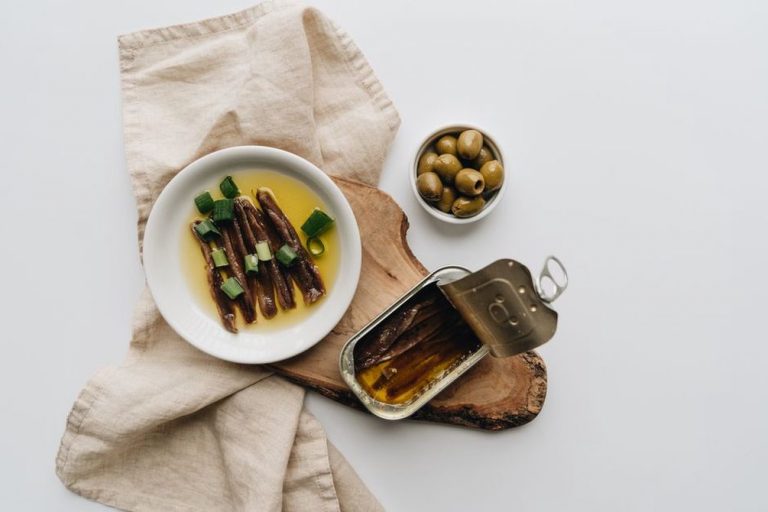
- Keep a well-stocked pantry. Canned coconut milk (without guar gum), bone broth, frozen vegetables, and jars of olives or artichoke hearts (packed in water or olive oil, without citric acid if you are sensitive) can save you when fresh ingredients are unavailable.
- Test one new ingredient at a time. When you want to add a food you have not eaten in months, try a small amount in a simple recipe and monitor your symptoms for two days before incorporating it regularly.
The goal of paleo cooking, especially during an elimination or reintroduction phase, is not perfection. It is about giving your digestive system a predictable, nutrient-dense environment in which to recover. Start with these three recipes, adjust them to your tolerance, and build from there. Your kitchen will become a place of experimentation rather than restriction.