On October 2, 2016, a new digital cookbook entered the autoimmune protocol (AIP) community: the AIP Instant Pot Cookbook. Unlike earlier AIP recipe collections that assumed hours of stovetop simmering or oven roasting, this book focused exclusively on pressure cooking. For anyone navigating the elimination phase—where ingredients are limited and cooking time feels stretched—the Instant Pot promised faster bone broth, tender organ meats, and one-pot meals that reduced kitchen fatigue. The cookbook did not claim to heal or diagnose; it simply offered a set of tested recipes designed to work within the strict boundaries of the AIP elimination diet while saving time.
Why the Instant Pot Became a Staple for AIP
The autoimmune protocol eliminates grains, legumes, dairy, eggs, nuts, seeds, nightshades, processed oils, and food additives. That leaves a core of vegetables, fruits, quality meats, fish, seafood, fermented foods, and certain fats. Many of these ingredients benefit from long, moist cooking: tough cuts of meat become tender; fibrous vegetables like carrots or parsnips soften; bone broth extracts gelatin and minerals. Before the Instant Pot, AIP home cooks often simmered broth for 12 to 24 hours or braised meats for several hours in the oven. Pressure cooking cut those times dramatically—bone broth in 2 to 3 hours, a whole chicken in 30 minutes, and stewed greens in minutes.
The 2016 cookbook capitalized on that efficiency. It did not introduce new dietary principles; instead it translated existing AIP meal patterns into pressure-cooker instructions. Recipes covered breakfast (sweet potato hash, egg-free frittatas), soups (carrot-ginger, butternut squash), main dishes (pot roast, salmon with dill), and sides (steamed artichokes, beet salad). The author emphasized that the Instant Pot could also be used for steaming vegetables without adding extra fat, which helped those monitoring their fat intake during elimination.
What the Cookbook Contained Beyond Recipes
The launch included more than a list of ingredients and timings. The cookbook opened with a brief overview of the AIP elimination phase, reminding readers that the diet is a short-term diagnostic tool, not a permanent lifestyle. It stressed that reintroduction of eliminated foods should be done systematically, one food at a time, with careful symptom tracking. This mirrored the approach we discussed in our retrospective on the 2016 AIP Coach launch, where elimination and reintroduction structure were central themes.
The cookbook also addressed common pitfalls: how to avoid overcooking vegetables (use a quick release), how to adapt recipes for those with sulfur sensitivity (skip or reduce brassicas, add lemon juice), and how to scale recipes for batch cooking. A short section on meal prep suggested cooking a large batch of bone broth and shredded meat at the start of the week, then combining them with fresh vegetables each day. For readers new to pressure cooking, the book included a safety guide and a table of cooking times for AIP-friendly ingredients.
Sample Recipe Categories
- Bone broths and stocks – beef, chicken, fish, with optional herbs (thyme, rosemary) but no nightshades or alliums if sensitive.
- Starchy vegetable dishes – mashed sweet potatoes, turnip purée, plantain “rice.”
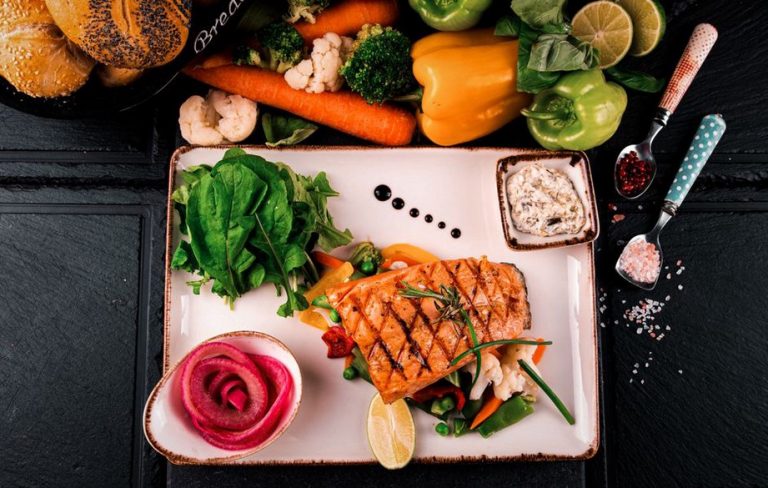
- Meat and fish mains – pork shoulder with apples, salmon fillets with dill and lemon, lamb stew with root vegetables.
- Fermented vegetable sides – quick sauerkraut (fermented outside the pot) and pressure-cooked beets for salads.
- Desserts – fruit compotes with gelatin, coconut milk panna cotta (using agar-agar for those avoiding gelatin).
How the Cookbook Addressed Reintroduction
Although the book focused on the elimination phase, it included a short appendix on reintroduction. The author recommended keeping a food diary and using the Instant Pot to cook single-ingredient test foods (e.g., a plain egg cooked in a small bowl inside the pot). This aligned with the step-by-step method described in Joanna Frankham’s AIP reintroduction strategy, where each reintroduction is isolated and observed for three to five days. The cookbook did not prescribe which foods to reintroduce first; it simply provided a tool to make the testing process less cumbersome.
For example, to test eggs, the cookbook suggested pressure-cooking a single egg in a silicone cup with a little water, then eating it plain. To test nightshades, a small portion of pressure-cooked tomato sauce (without other reintroductions) could be prepared. The book cautioned that reintroduction should only begin after symptoms have stabilized on the elimination diet, and that any adverse reaction warrants returning to the elimination baseline.
Practical Takeaways for the AIP Cook
What made the 2016 launch noteworthy was not the novelty of pressure cooking itself—Instant Pots had been popular for a few years—but the specific adaptation to AIP constraints. Many general paleo Instant Pot cookbooks included ingredients like beans, rice, or tomato paste, which are off-limits during elimination. This cookbook eliminated that guesswork. Every recipe was cross-checked against the AIP food list, and the author provided substitution notes for common sensitivities (e.g., using coconut aminos instead of soy sauce, avoiding chili powder).
For readers who found the elimination phase overwhelming, the cookbook offered a concrete path forward: start with one recipe per week, build a repertoire of three to five go-to meals, then expand. The tone was supportive but realistic—no promises of instant relief, only the assurance that the recipes were tested and safe for the diet. The book also acknowledged that cooking for an elimination diet can be isolating, especially when family members eat differently. It included tips for cooking separate components in the same pot (e.g., steaming vegetables for the AIP eater while cooking rice for others in a separate container).
Common Questions Addressed in the Cookbook
- Can I cook frozen meat in the Instant Pot? Yes, but increase cooking time by about 50% and ensure the internal temperature reaches safety guidelines.
- Do I need a special liner for acidic foods? The book recommended using a stainless steel insert (included with most Instant Pots) for tomato-free recipes; for occasional use of citrus, it was fine.
- How do I adapt a stovetop AIP recipe for pressure cooking? The book provided a conversion chart: reduce liquid by about one-third, keep cooking times roughly one-third of the original, and use a natural release for meats.
One section that stood out was the guidance on cooking organ meats. Liver, heart, and kidney are nutrient-dense but can be tough or strong-flavored. The cookbook suggested soaking liver in milk (if tolerated) or water with lemon juice, then pressure-cooking briefly with aromatics like ginger and garlic (if not in elimination) or simply with salt and thyme. The result was a milder, more palatable texture that many readers found easier to incorporate.
Limitations and Honest Caveats
The cookbook did not claim to address individual variations in food sensitivities. It assumed a standard AIP elimination list, but acknowledged that some people react to coconut, certain FODMAPs, or histamine-rich foods. Readers were encouraged to modify recipes based on their own tolerance—for instance, swapping coconut milk for bone broth if coconut caused bloating. The author explicitly stated that the cookbook was not a medical protocol and that persistent digestive or autoimmune symptoms should be discussed with a healthcare provider.
Another limitation was the reliance on the Instant Pot brand itself. The recipes were tested on a 6-quart model, and cooking times might vary with different sizes or pressure cookers. The book included a troubleshooting table for common issues: burn warning, undercooked meat, too much liquid. It did not recommend any specific aftermarket accessories, simply noting that a trivet and steamer basket were useful.
For those already comfortable with the AIP, the cookbook served as a time-saving supplement rather than a foundational guide. It assumed readers already understood the rationale for elimination and had a basic food list. The value lay in the execution: faster meals, less cleanup, and a lower barrier to cooking nutrient-dense foods like bone broth and organ meats. The launch in October 2016 filled a gap that many in the AIP community had felt—a need for practical, tested recipes that did not require hours of active kitchen time.
If you are considering using an Instant Pot during your elimination phase, the 2016 cookbook remains a useful reference, even years later. The principles of pressure cooking for AIP have not changed, and the recipes are still compatible with current AIP guidelines. Start with one recipe that uses ingredients you already tolerate—perhaps a simple chicken and vegetable soup—and see how it fits into your routine. Track your symptoms as you would with any new food preparation method, and adjust seasonings or cooking times based on your own experience.