
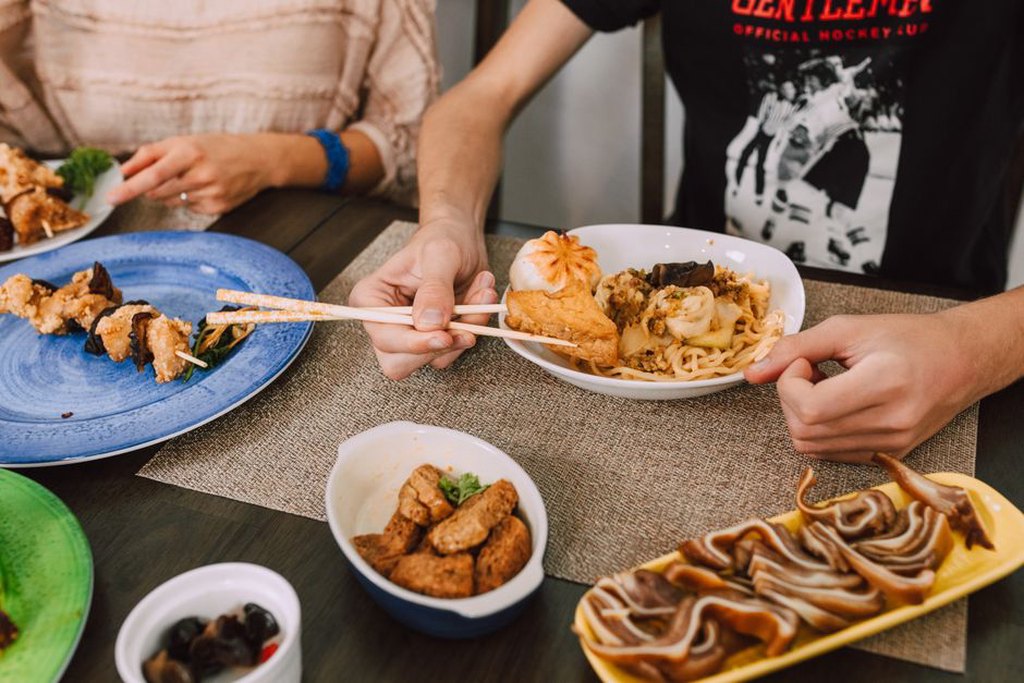
A short message before an event can spare you the most stressful part of the evening: standing at a buffet with no clear option that fits your elimination plan. Something as simple as, “I’m temporarily avoiding a few foods while I track symptoms, so I’ll bring something I can eat,” gives the host useful information without turning dinner into a medical discussion.
Food carries more meaning than nourishment. A family recipe can signal care, and a shared meal can be the center of a celebration. You do not have to withdraw from social life to follow a structured food trial, but it helps to be practical, brief, and firm about the foods you are currently avoiding.
Decide what needs to be strict before accepting the invitation
Not every food preference calls for the same level of caution. During a formal elimination phase—whether Paleo-based, AIP, low-FODMAP guided, or another clinician-supported protocol—consistent avoidance can make symptom notes easier to interpret. If an event falls during a planned reintroduction, trying several unfamiliar ingredients at once can make it hard to identify a possible trigger.
Before you go, sort foods into three groups:
- Foods to avoid completely: the foods currently excluded from your structured trial.
- Ingredients that are uncertain: sauces, marinades, spice blends, frying oils, desserts, and shared serving dishes.
- Reliable foods: simple items you can usually choose, such as plain meat or fish, roasted vegetables without a questionable sauce, fruit, or a dish you bring yourself.
This distinction can prevent an all-or-nothing mindset. A meal does not need to be perfect; it needs enough clarity to serve the purpose of your current dietary phase.
Communicate early and keep the explanation proportionate
Most hosts need advance notice, not your full symptom history. State the practical request and offer an easy solution: “I’m doing a short-term food elimination plan and am avoiding dairy, grains, and eggs right now. Please don’t change the menu for me—I’ll eat before I come and bring a side dish.”
If a host asks what they can provide, suggest something specific and low-effort: plain grilled protein set aside before sauce is added, a baked potato without toppings, or a simple salad with dressing on the side. A request for “something healthy” leaves too much open to interpretation.
For relatives or friends who press for details, a calm boundary may be enough: “I appreciate your concern. I’m keeping the plan simple for now and discussing ongoing symptoms with my clinician.” You do not need to defend every ingredient or debate nutrition over dinner.
Use a social-event food plan, not willpower
Arriving extremely hungry makes unclear food more tempting and can make it harder to ask useful questions. Have a satisfying meal or snack beforehand, with protein, a carbohydrate that fits your plan, and some fat. Then the food at the event becomes an addition rather than your only dinner option.
For a potluck or casual gathering
Bring a substantial dish you actually enjoy instead of a tiny “special diet” side. Roasted vegetables with a compliant dip, a large salad with simple dressing, or skewers of plainly seasoned protein can give you a dependable base. Bring enough to share; contributing food often feels more natural than repeatedly declining it.
Use a clean serving utensil when possible, and serve yourself early if shared spoons are a concern for your plan. Cross-contact matters especially for people with a medically diagnosed allergy or celiac disease. Those situations need more individualized medical guidance than a general elimination experiment.
For birthdays, weddings, and work functions
These events often have fixed menus and long gaps between meals. If venue rules allow, pack a discreet backup snack that fits your plan. At a seated meal, keep questions brief and concrete: “Is the chicken marinated?” “Can I have it without the sauce?” “Is the vegetable side cooked in butter or oil?” Servers may not know every detail, so the simplest preparation is usually the safest choice.
You can still take part in a toast, cake cutting, or another shared ritual without eating the featured item. Holding sparkling water, tea, or another beverage you tolerate can help you avoid feeling empty-handed without suggesting anyone else should change what they eat.
Prepare a few neutral responses
Repeated explanations can wear you down, particularly when someone takes a temporary elimination diet as criticism of their cooking. A rehearsed one-sentence response can preserve your energy:
- “That looks lovely, but I’m avoiding that ingredient for a while.”
- “I brought my own food, so please don’t worry about me.”
- “I’m keeping meals simple as part of a structured trial.”
- “No thank you, but I’d love the recipe for another time.”
Then move the conversation along. Ask about the host’s plans, compliment a dish you can genuinely appreciate, or join an activity away from the food table. Belonging comes from attention and participation, not from eating every item offered.
Make alcohol and “just one bite” decisions in advance
It is easier to decide at home than in the moment. If alcohol is excluded, choose your response beforehand and bring or request a nonalcoholic alternative. If alcohol is permitted but you are monitoring digestive comfort, sleep, skin changes, headaches, or other symptoms, consider whether it could make your diary harder to interpret the next day.
The same applies to “just one bite.” A planned departure from an elimination phase differs from an impulsive one, but either can complicate a careful trial. An accidental exposure does not mean the plan has failed. Note what happened, return to your usual pattern at the next meal, and avoid drawing broad conclusions from one social event.

Track context without becoming preoccupied
A brief record is often more useful than trying to reconstruct details days later. After the event, note the date, foods you know you ate, uncertain ingredients, alcohol if relevant, timing, and any symptoms. Include non-food factors that can affect digestion and wellbeing, such as poor sleep, travel, stress, a late meal, or a disrupted routine. The personal field report Four Months Back on Paleo: A Field Report on Digestion, Data, and What Actually Changed shows why it is helpful to treat observations as data rather than proof of a single cause.
One episode of bloating, fatigue, or discomfort does not confirm an intolerance. Symptoms can have several causes, and elimination diets are not a substitute for diagnosis or treatment. Discuss persistent, severe, or changing symptoms—and any substantial dietary restriction—with a doctor or registered dietitian, particularly if eating is becoming stressful, weight is changing unintentionally, or whole food groups are being excluded long term.
A practical event checklist
| When | Useful action |
|---|---|
| Two to five days before | Confirm the format, tell the host what you need, and decide whether to bring a dish. |
| Before leaving | Eat a reliable meal, pack a backup if appropriate, and review your avoid list. |
| At the event | Choose simply prepared foods, ask brief ingredient questions, and use a prepared response. |
| Afterward | Record only relevant details and resume your usual plan at the next meal. |
For a Sunday brunch with unknown ingredients, you might eat eggs only if they are part of your current protocol, bring a fruit-and-protein option you tolerate, choose plain fruit or potatoes if available, and skip the casserole and pastries rather than trying to identify every ingredient. That afternoon, write something simple in your diary: “brunch: plain potatoes, fruit, brought chicken; casserole ingredients unknown.” A short note is usually more reliable than memory later in the week.