
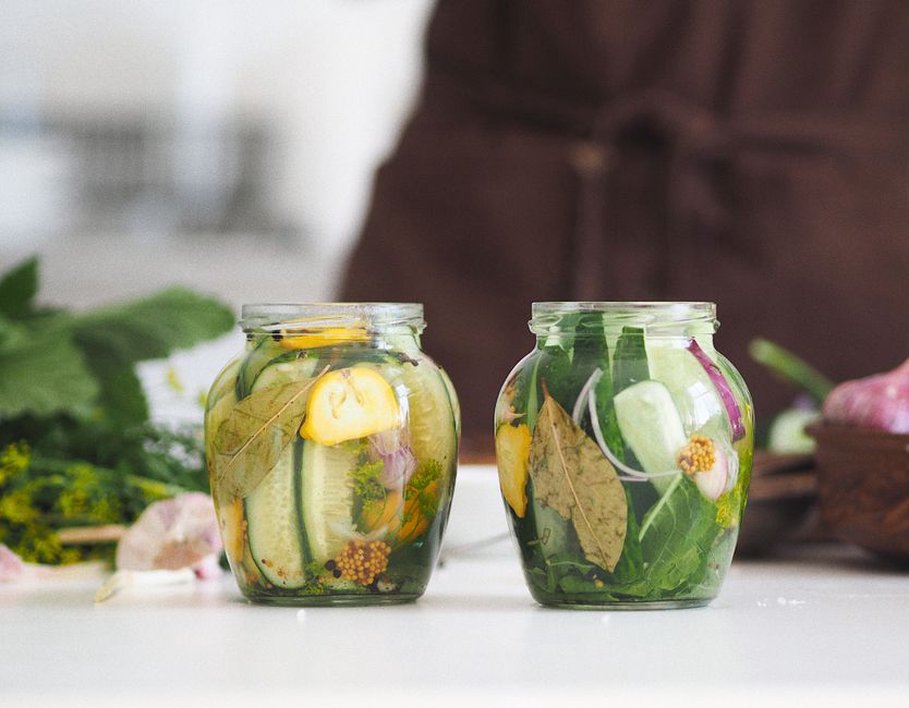
A spoonful of sauerkraut may fit a Paleo plate, while a nearly identical-looking jar may contain added sugar, canola oil, preservatives, or vinegar rather than a true ferment. The difference matters. Fermented foods are optional in Paleo eating, and not every pickled product on a supermarket shelf offers the same qualities.
For people who enjoy and tolerate them, fermented foods can add flavor and a traditional way of preparing vegetables. Some Paleo approaches also include certain fermented dairy foods. Fermentation changes a food’s taste, texture, acidity, and chemical makeup. Products with live cultures may provide microorganisms, but their effects vary by food, person, storage conditions, and serving size.
What fermentation actually means
Fermentation is a controlled microbial process. In vegetable ferments, naturally occurring lactic-acid bacteria use sugars in cabbage, cucumbers, carrots, and other produce to produce acids. As acidity rises, it helps preserve the food and creates the familiar tang of sauerkraut, kimchi, and traditionally brined pickles.
Acidic does not always mean fermented. Cucumbers packed in vinegar are pickled, but they may not contain live cultures. Shelf-stable sauerkraut and kimchi that have been heat-treated after fermentation can retain their flavor while generally losing live microbes. They can still work in a Paleo-style meal; they are simply not the same choice as refrigerated, unpasteurized fermented vegetables if live cultures are the goal.
Common Paleo-compatible options
- Sauerkraut: cabbage fermented with salt, often easy to find with a short ingredient list.
- Kimchi: fermented vegetables, usually cabbage or radish. Recipes vary and may include sugar, grains, soy, fish sauce, shellfish, or chili.
- Fermented pickles: cucumbers fermented in a saltwater brine instead of preserved only in vinegar.
- Fermented vegetable brines: a small amount can add acidity and salt to dressings or cooked dishes, though it does not replace eating a variety of vegetables.
- Water kefir or kombucha: fermented drinks with widely varying ingredient lists and residual sugar. They are optional, not central to a Paleo pattern.
Fermented dairy is a separate consideration. Some Paleo approaches exclude dairy entirely, while others include carefully selected full-fat yogurt or kefir if it is tolerated. Strict Paleo and elimination-style plans often leave dairy out. For context on how Paleo and AIP differ, see this guide to the basics of Paleo and AIP diets.
How fermented foods may fit digestion and dietary variety
Fermented vegetables can make familiar meals more interesting. Their salty, sour flavor works well with roasted meat, eggs, soups, salads, and simple bowls of cooked vegetables, often replacing bottled sauces that may contain added sugars or ingredients outside a Paleo approach.
Live microorganisms in fermented foods are often called probiotics, but the term has a specific meaning. A probiotic is a live microorganism shown to provide a health benefit at an adequate amount. A food containing live cultures has not necessarily been shown to produce the same effect for every person or health concern. Research on fermented foods and the gut microbiome is promising but complicated, and findings for one food should not be assumed to apply to another.
Fermentation also produces metabolites, including organic acids. These affect flavor and preservation and may influence how a food is handled in the digestive tract. Still, the larger foundations of a Paleo diet matter more: enough food overall, adequate protein, a range of tolerated plants, healthy fats, regular meals when useful, sleep, and attention to individual tolerance.
Plant variety can be easy to overlook when grains and legumes are removed. Rotating leafy greens, roots, cruciferous vegetables, herbs, berries, nuts, seeds when tolerated, and fermented vegetables can keep meals from becoming too narrow. The post on the hidden plant diversity gap in a Paleo diet offers a useful reminder that variety is not limited to large salad bowls.
Why tolerance can vary
A food can be traditionally prepared and Paleo-compatible yet still cause discomfort for a particular person. Fermented foods are often concentrated sources of acidity, salt, and strong flavor. Cabbage, onion, garlic, and spicy peppers in kimchi can be difficult for people who are sensitive to those ingredients. Some people also report symptoms after foods high in biogenic amines, including histamine, though responses differ and symptoms can have many causes.
Gas, bloating, reflux-like discomfort, loose stools, flushing, headaches, or itching should not be self-diagnosed as a response to “good bacteria.” A food diary may help show whether symptoms repeatedly follow a particular product, portion, or combination of foods. Record the brand, ingredients, storage conditions, timing, and amount eaten rather than simply writing “fermented foods.”
Persistent, severe, or worsening digestive symptoms need medical attention. Discuss ongoing symptoms and major dietary changes with a doctor, particularly if there is unexplained weight loss, blood in the stool, vomiting, fever, trouble swallowing, anemia, or symptoms that interfere with daily life. An elimination diet is not a replacement for medical assessment.
Choosing products that suit Paleo goals
The ingredient panel and storage instructions are usually more useful than the front label. Look for vegetables, water, salt, and spices as the main ingredients. A refrigerated product labeled “raw,” “live,” or “unpasteurized” may contain live cultures, but those terms do not promise a particular health result.
| Check | Why it matters |
|---|---|
| Added sugar | Some kimchi, kombucha, and flavored products contain more added sugar than expected. |
| Grains, soy, or dairy | These can matter on a strict Paleo plan or during an elimination phase. |
| Pasteurization | Heat treatment changes whether live cultures are likely to remain. |
| Sodium | Fermented vegetables can be salty, so portions and the rest of the meal matter. |
| Refrigeration and date | Follow storage guidance and discard products with spoilage signs. |
For home fermentation, safety matters more than experimentation. Use a tested recipe, clean equipment, the stated salt concentration, and appropriate fermentation conditions. Do not taste or serve a ferment with mold, a rotten smell, or other signs of spoilage. Home-fermented foods can be enjoyable, but changing salt levels or storage methods on the fly is not a worthwhile risk.
A gentle way to introduce fermented foods
If fermented foods are new to your diet, begin with one simple product instead of adding kombucha, kimchi, yogurt, and sauerkraut in the same week. A small serving alongside a familiar meal makes it easier to notice how you feel. There is no evidence-based universal target amount, and more is not necessarily better.
- Choose one product with a simple ingredient list, such as plain refrigerated sauerkraut.
- Have a small amount with a meal for several days rather than on an empty stomach.
- Keep the rest of your diet relatively steady while observing digestive comfort, stool changes, skin symptoms, and energy.
- If it is well tolerated, increase gradually or try a different fermented food later.
- If symptoms return clearly, pause the food and discuss persistent symptoms or a structured reintroduction plan with a clinician or qualified dietitian.
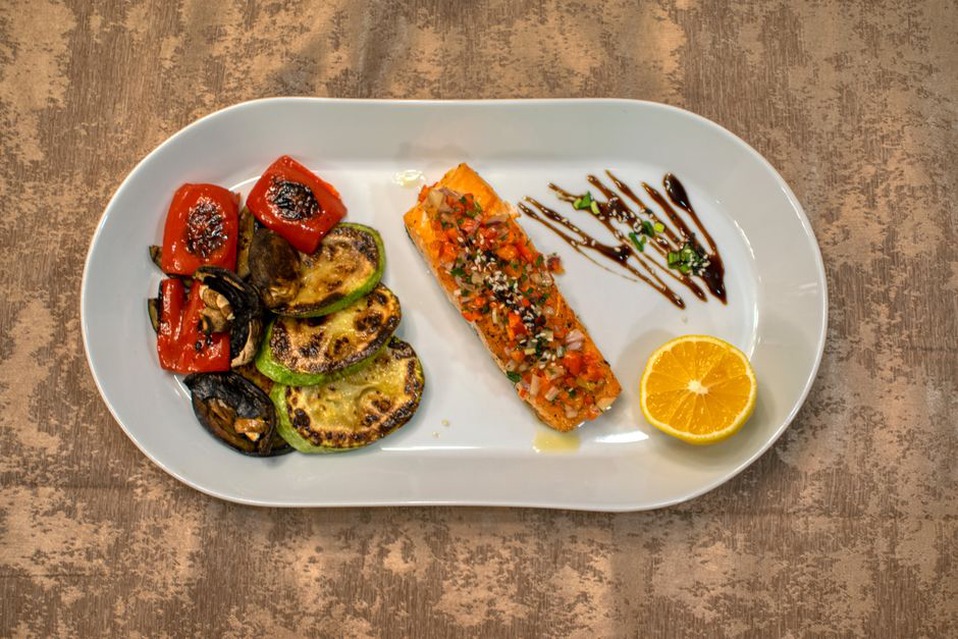
A practical first serving might be one or two forkfuls of plain sauerkraut alongside salmon, roasted sweet potato, and sautéed greens. Keep the portion the same for a few meals rather than changing several foods at once. That makes patterns easier to spot while leaving room for the diverse whole foods that should make up most of a satisfying Paleo plate.