A carefully planned Paleo meal can still feel hard to digest if you eat it while rushing, worrying, scrolling, or working. Stress does not make food inherently harmful, and digestive symptoms do not automatically mean a particular food is the problem. Still, the stress response can affect appetite, chewing, stomach activity, bowel movement, and how strongly you notice gut sensations. If you are already following a Paleo or elimination-style diet, this can make everyday meals feel more complicated than they need to be.
The aim is not to eliminate stress or expect perfect digestion after every meal. It is to reduce unnecessary pressure around eating, notice repeatable patterns without blaming stress for everything, and keep enough variety and energy in your diet to support daily life.
Why stress can change digestive comfort
The digestive tract and nervous system communicate through neural, hormonal, and immune pathways. During acute stress, the body shifts attention toward immediate demands rather than processes such as digestion. Hunger, nausea, fullness, bowel urgency, constipation, bloating, and abdominal discomfort can all change. The response differs from person to person: someone may lose their appetite before a presentation, while someone else may eat quickly and feel overly full afterward.
Stress can also change food habits. You may skip breakfast, fall back on a narrow list of “safe” meals, drink more coffee, eat later than usual, or have little energy to cook. That can affect fiber, fluids, meal timing, and food variety. During a demanding stretch, it is often the combination of stress physiology and a disrupted routine—not one Paleo ingredient—that makes digestion feel different.
Symptoms can create stress of their own. When every sensation feels like proof that the diet has failed, meals can become an exercise in constant monitoring. That level of vigilance may heighten awareness of normal digestive sensations and lead to unnecessary restriction. Both things can be true: a food may genuinely be difficult for you to tolerate, and sleep, stress, meal pace, or eating context may be contributing too.
Paleo can support routine, but restriction can add pressure
A well-planned Paleo pattern can include regular meals built around vegetables, fruit, protein-rich foods, seafood or meat, nuts and seeds when tolerated, and fats such as olive oil or avocado. Cooking at home and relying less on highly processed foods may make meals more predictable, which can help when life feels busy.
But Paleo is not a single fixed diet. Some people follow a broad, flexible version, while others add exclusions, become fearful of ingredients, or try to solve every symptom by removing another food. Combining Paleo with AIP, low-FODMAP strategies, food-allergy avoidance, or other restrictions can be especially demanding. These approaches may have a role when discussed with a qualified clinician or dietitian, but a long list of rules can increase isolation, planning demands, and anxiety around food.
A useful gut-health question is whether this way of eating can be maintained without wearing you down. Nutritional adequacy, enjoyment, cultural fit, affordability, and flexibility all affect whether you can eat regular, nourishing meals.
Stress is not a diagnosis
It is easy to dismiss persistent bloating, pain, diarrhea, constipation, reflux, or fatigue as “just stress.” That can delay appropriate assessment. Stress may affect symptoms, but it should not explain away new, severe, or ongoing digestive concerns. A strict diet is not a substitute for medical care either.
Discuss persistent symptoms and significant dietary changes with a doctor. Seek timely medical advice for blood in the stool, black or tar-like stool, unexplained weight loss, persistent vomiting, fever, dehydration, severe or worsening abdominal pain, difficulty swallowing, or bowel changes that continue without a clear explanation. People who are pregnant, have a history of eating disorders, are managing chronic illness, or need medically prescribed diets may benefit from individual guidance before making major restrictions.
Make meals easier before making them stricter
If digestive comfort worsens during a stressful week, another elimination does not have to be the first step. Start with a few low-risk changes to meal conditions and routine. They do not treat digestive disorders, but they may reduce avoidable friction.
- Protect a short eating window. Even five to ten minutes away from a keyboard, driving, or urgent tasks can make a meal feel less rushed. You do not need a full relaxation ritual.
- Slow the first few bites. Sit down if you can, take a breath, and chew until food is no longer in large pieces. This is a simple pace change, not a test of mindfulness.
- Choose familiar meals on demanding days. A plate of cooked vegetables, a protein source, and a tolerated starch or fruit may be more realistic than a complicated recipe full of new ingredients.
- Keep meal timing reasonably regular. Long gaps can leave some people overly hungry, more likely to eat quickly, or less able to make a balanced choice. Regular does not mean rigid; it means avoiding accidental all-day under-eating.
- Include enough food. A Paleo plan that is unintentionally too low in calories or carbohydrate can leave you tired, preoccupied with food, or less resilient under stress. Needs differ, but sustained under-fueling is not a digestive strategy.
- Use convenience deliberately. Frozen vegetables, prewashed greens, canned fish, leftover roasted meat, cooked root vegetables, and simple soups can support regular meals without extensive preparation.
These habits can be particularly helpful during the elimination phase of AIP, when decision fatigue is common. A practical guide to flexible AIP batch cooking for the elimination phase can reduce the daily workload without making meal preparation an all-weekend task.
Build a “low-bandwidth” Paleo meal system
Food routines are often easier to maintain when they are built into your environment instead of relying on motivation at 6 p.m. A low-bandwidth system uses a few repeatable components while allowing variety across the week.
Keep components, not only finished recipes
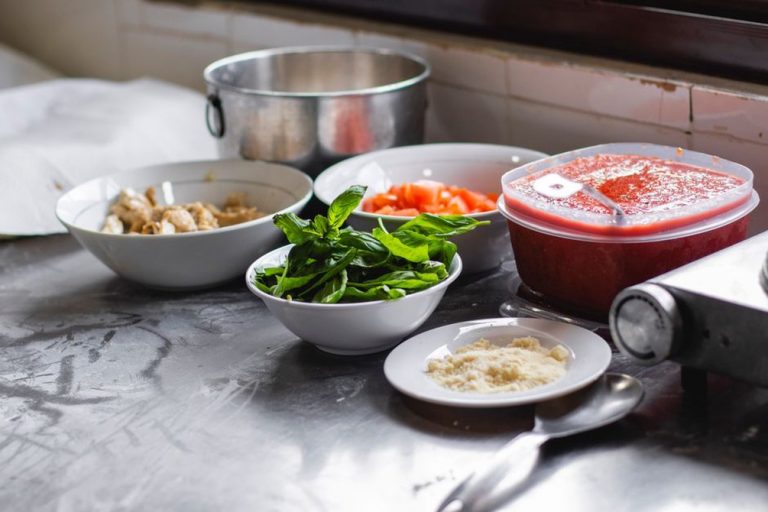
Batch-cooking complete meals works well for some people, but it can become monotonous. Cooking components separately makes it easier to mix and match:
- one or two cooked protein options, such as chicken, fish, eggs if included, or a tolerated legume-free alternative;
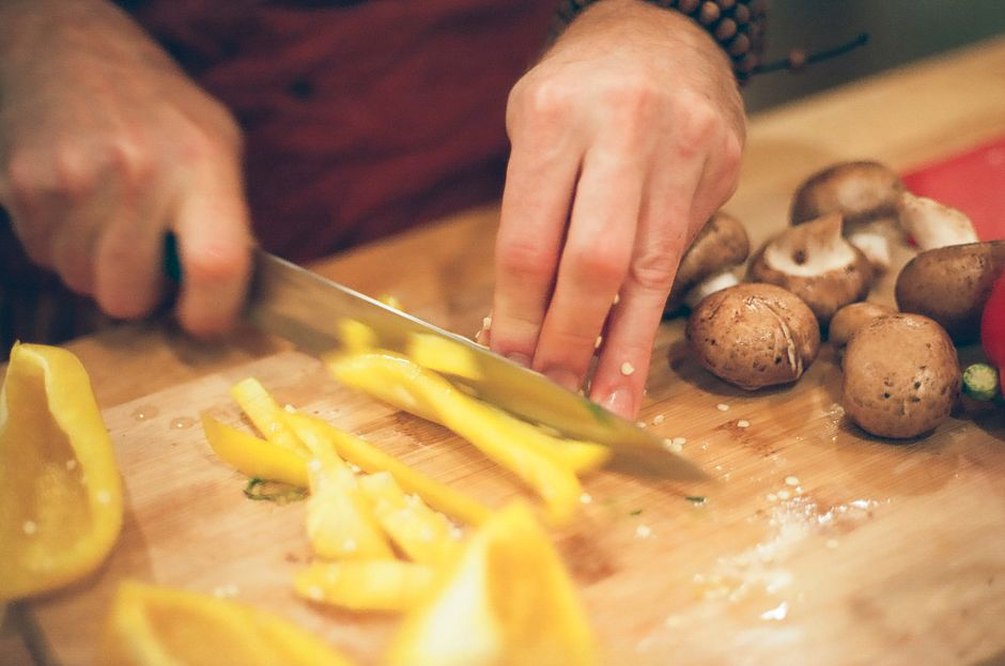
- several cooked vegetables, especially softer choices that may feel more comfortable during a period of stress-related digestive sensitivity;
- a starch source that fits your Paleo approach, such as potatoes, sweet potatoes, winter squash, plantain, or fruit;
- easy flavor additions, such as olive oil, herbs, lemon, garlic-infused oil where suitable, or a tolerated sauce;
- portable options for unavoidable busy periods, such as fruit, leftovers, simple protein, or vegetables with a dip that fits the diet.
This approach helps interrupt all-or-nothing thinking. If dinner is not the ideal recipe, it can still be a nourishing meal assembled in minutes. On days when raw salads, very fatty meals, or large portions of fibrous vegetables feel uncomfortable, cooked vegetables and a modest portion may be easier to manage. That is an adjustment for comfort, not evidence that plant foods are harmful for everyone.
Plan for the moment stress peaks
The best plan is usually the one that still works on your least organized day. Keep a short list of default meals where you can see it. Stock ingredients for one freezer meal. Decide ahead of time which restaurant order, grocery shortcut, or family-meal adaptation is acceptable. A flexible fallback can protect regular nourishment when cooking capacity disappears.
For example, a stressful evening might call for reheated roasted chicken, a microwaved or pre-cooked sweet potato, frozen green beans, olive oil, and fruit. It may not look like a curated Paleo meal, but it is a meal with very few decisions. The alternative is often not a more nutritionally perfect dinner; it is skipping food, grazing without feeling satisfied, or forcing yourself to cook beyond your available energy.
Use symptom notes without turning food into a threat
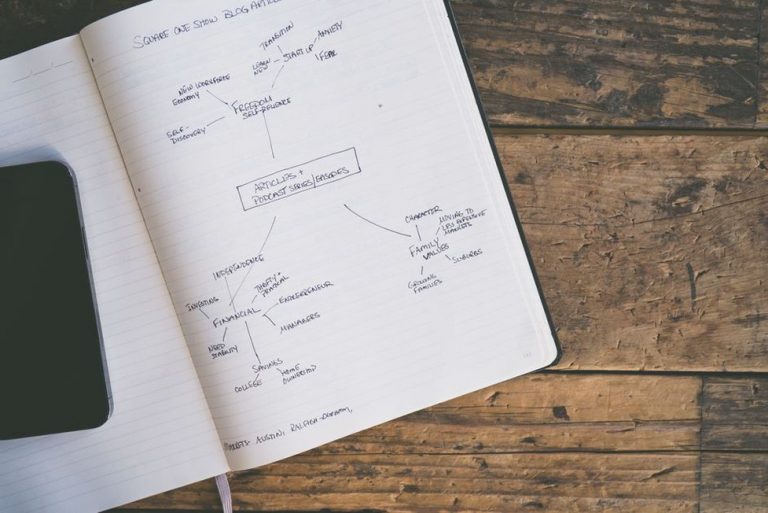
Short-term tracking can help separate a one-off difficult day from a pattern worth exploring. The useful part is recording context, not simply listing ingredients. “Bloating after lunch” tells you little if you leave out that lunch was eaten in five minutes after skipping breakfast and sleeping poorly.
For one or two weeks, a simple note might include:
| What to note | Why it can be useful |
|---|---|
| Meal time and approximate portion | Shows long gaps, unusually large meals, or irregular patterns |
| Key ingredients and preparation | Helps identify consistent food patterns without assuming cause |
| Eating context | Captures rushing, distractions, travel, conflict, or skipped meals |
| Sleep, illness, and stress level | Places symptoms within the wider week rather than blaming one food |
| Symptoms and timing | Supports a more accurate conversation with a clinician if needed |
Use neutral language. “Felt more bloated two hours after lunch” is more helpful than “failed with broccoli.” Look for repeated patterns over several occasions. Avoid removing five foods after one uncomfortable meal, especially during a stressful period. If a pattern seems credible, a doctor or dietitian can help determine whether a structured, time-limited elimination and reintroduction process is appropriate.
Support the gut-brain connection beyond the plate
Food is only one part of the digestive environment. The most useful non-food supports are often ordinary and repeatable: a brief walk after eating, a consistent wake time, daylight exposure, gentle movement, time with supportive people, or a transition between work and dinner. These practices do not treat gastrointestinal disease, but they can support general stress regulation and daily routine.
Exercise may need to match your current capacity. Intense training while under-fueled, sleep-deprived, or highly stressed can add to the overall load for some people. Gentle movement may feel more tolerable on those days. The point is not to avoid exertion permanently, but to avoid making every health practice another performance target.
Alcohol, high caffeine intake, and late heavy meals can also affect sleep and gut comfort for some people. Instead of imposing universal bans, test one practical change at a time. Moving the last coffee earlier, having dinner a little sooner, or choosing a lighter evening meal may offer clearer information than changing everything at once.
Be cautious with microbiome claims
The microbiome is an active area of research, but it cannot currently provide a personal scorecard that tells you exactly which Paleo foods you must eat or avoid. A wider variety of tolerated plant foods is generally associated with a broader range of dietary substrates reaching the gut. That does not mean you must eat foods that repeatedly cause substantial symptoms or conflict with medical advice.
Fermented foods call for the same balance between interest and tolerance. Some people enjoy them, while others find certain products aggravate symptoms, especially when introduced quickly or during an already stressful period. The post on fermented foods on a Paleo diet, including benefits and tolerance considerations explores this practical middle ground. Trying a small, familiar serving makes more sense than adding several new fermented foods at once.
When a Paleo plan is increasing stress
Dietary structure stops being helpful when it creates ongoing fear, prevents shared meals, takes a disproportionate amount of time or money, or leaves you consistently hungry. Warning signs include repeatedly declining social events because food cannot be controlled, feeling guilty after ordinary deviations, compulsively checking ingredients, or continuing to remove foods without a clear reintroduction plan.
These experiences call for support, not more discipline. A registered dietitian familiar with elimination diets can assess nutritional adequacy and help simplify food rules. A doctor can evaluate continuing symptoms and help rule out conditions that should not be managed through self-directed restriction. If food anxiety or distress is becoming prominent, mental health support can also be an important part of care.
For a practical reset, choose one dependable breakfast or lunch for the next three days, shop for those ingredients, and note only meal time, hunger level, and comfort afterward. Keeping the experiment small can show whether more regular nourishment and a calmer pace affect the pattern before you remove any additional foods.