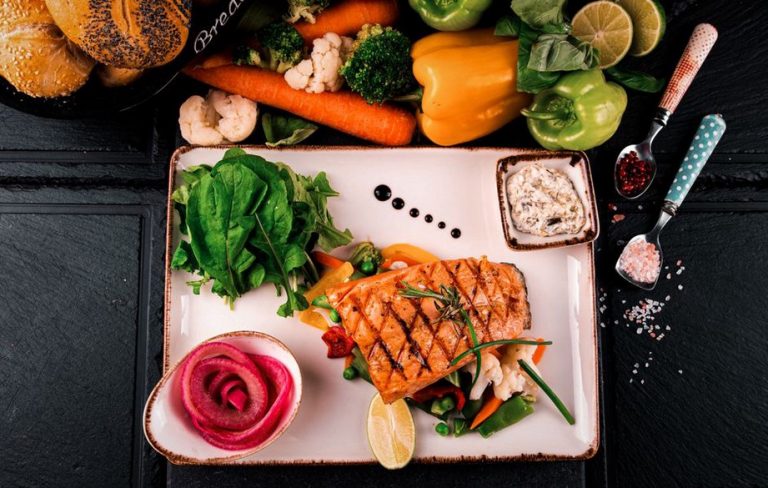
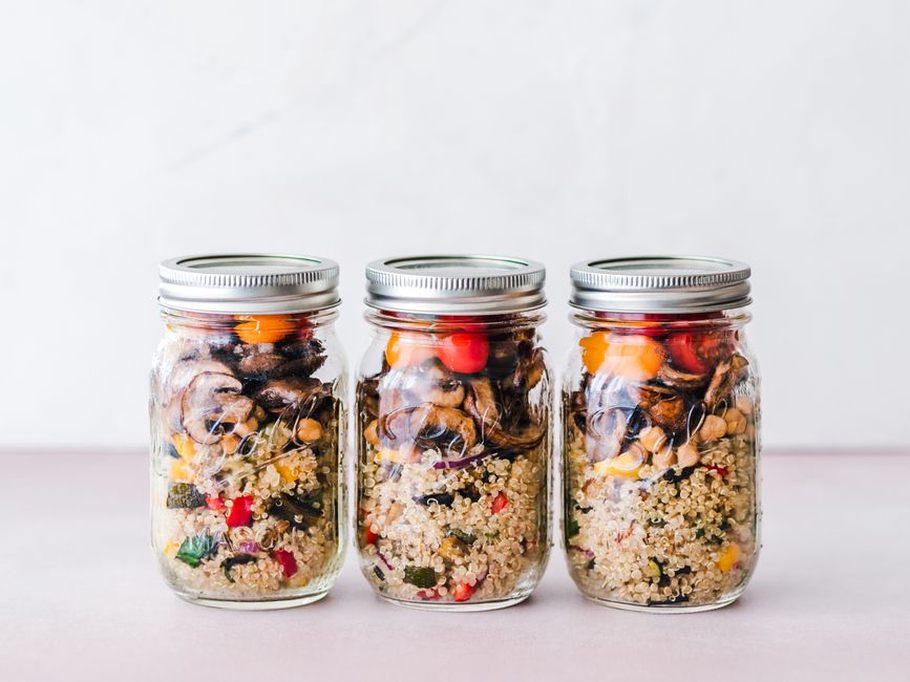
Prepare flexible AIP components instead of seven identical meals. A tray of roasted vegetables, simply seasoned protein, cooked starchy vegetables, and one or two sauces can turn into different lunches and dinners without making the elimination phase feel repetitive.
The autoimmune protocol (AIP) is an elimination-style dietary approach, not a treatment for autoimmune disease or persistent digestive symptoms. Its restrictions can make spur-of-the-moment meals difficult, especially during the elimination phase, when foods such as eggs, dairy, grains, legumes, nuts, seeds, and nightshades are commonly excluded. A few dependable basics reduce last-minute substitutions and make it easier to eat enough.
Start with a realistic cooking target
Cooking every meal for a full week in one afternoon can become tiring, and food may be less appealing by day five. A more manageable goal is three to four days of ready-to-eat food, plus frozen portions for later. Plan a short midweek refresh for produce, fresh protein, or another tray of vegetables.
Before shopping, count the meals you actually need to cover: work lunches, evenings when cooking is unlikely, and breakfasts if mornings are rushed. Then choose a modest set of preparations:
- Two proteins, such as shredded chicken and baked salmon or turkey patties
- Two cooked vegetables with different textures, such as roasted carrots and sautéed greens
- One substantial carbohydrate source, such as sweet potatoes, plantains, winter squash, or cassava
- One raw or quick-prep vegetable for contrast, such as cucumber, lettuce, or shredded cabbage
- One sauce, dressing, or broth-based addition that fits your individual tolerance
AIP meals do not have to follow conventional breakfast, lunch, and dinner formats. Leftover turkey, sautéed greens, and baked sweet potato work just as well in the morning as they do at midday.
Build a batch plan around components
Choose proteins that reheat well
Moist preparations tend to be more useful than dry, individually portioned cuts. Slow-cooked shredded chicken, braised beef, turkey meatballs made without egg or breadcrumbs, and gently baked fish can be used in several meals with little extra work. Salt, garlic, onion, fresh herbs, citrus, and ginger can provide plenty of flavor without complicated seasoning.
For more variety, season only part of a batch before cooking. Plain shredded chicken might later become a lemon-herb bowl, a coconut-free vegetable soup, or lettuce wrap filling. If you tolerate them, parsley, basil, cilantro, dill, rosemary, thyme, and sage can shift the flavor of a meal without relying on seed spices.
Cook vegetables in two different ways
A large sheet pan is useful, but vegetables with very different cooking times should not all be roasted together. Carrots, beets, parsnips, and squash need longer than zucchini, asparagus, mushrooms, or leafy greens. Group vegetables by cooking time and use separate trays when needed. It prevents the familiar result of soft zucchini next to undercooked root vegetables.
Roasted vegetables travel well in packed meals. Quickly wilted greens or crisp raw vegetables add a fresher contrast. If texture matters, keep tender greens separate from hot food until serving. A small container of chopped herbs or sliced scallions can make leftovers feel newly assembled.
Include satisfying starches on purpose
On a restrictive diet, it is easy to default to protein and non-starchy vegetables at every meal, then feel hungry, tired, or preoccupied with food. Energy needs differ by body size, activity, health status, and life stage, but starchy vegetables can be a practical part of an AIP plate. Roast sweet potatoes whole, steam squash cubes, bake plantains, or cook cassava according to package directions.
Cooked starches also speed up meal assembly. Start with reheated sweet potato, then add chicken, greens, olive oil, and lemon-herb dressing. If digestive comfort is a concern, change one variable at a time: portion size, vegetable type, meal pace, or cooking method. A brief food-and-symptom record may reveal patterns, but it cannot diagnose an intolerance or medical condition.
Use one cooking session, not one cooking task at a time
Batch cooking is easier when passive cooking time overlaps. Begin with the longest task, then move toward the shortest. While squash roasts, protein can braise or bake and washed greens can be prepared. There is no need to fill every burner and oven rack simply to finish sooner; overcrowding leads to uneven cooking and extra dishes.
- Clear and set up: Put out containers, labels, a cutting board, sheet pans, and a bowl for scraps before you begin.
- Start long-cooking items: Begin with whole sweet potatoes, squash, braised meat, or a slow-cooker recipe.
- Prepare protein: Bake, simmer, or cook it in a large skillet while the oven is already hot.
- Cut and roast sturdy vegetables: Toss them with an appropriate cooking fat and salt, leaving room on the tray.
- Make a simple flavor booster: Whisk olive oil with lemon juice, chopped herbs, garlic, and salt, or blend a tolerated herb sauce.
- Cool, portion, label, and store: Do this promptly rather than leaving a counter full of unmarked containers.
Use the equipment you already have with purpose. A slow cooker or pressure cooker can handle a large cut of meat while the oven is used for vegetables. A rice cooker is not necessary for AIP, though its steaming basket may be useful for vegetables or root crops. The point is to have existing tools working at the same time, not to buy more appliances.
Make flavor modular instead of cooking multiple recipes
A limited ingredient list can grow dull when every component has the same flavor profile. Separate sauces and finishing ingredients help. Keep dressings in small jars, add fresh acid when serving, and store herbs dry and unbruised in a towel-lined container.
| Base component | Fast variation | Meal idea |
|---|---|---|
| Shredded chicken | Lemon, parsley, olive oil | Sweet potato bowl with greens |
| Turkey patties | Garlic, basil, roasted squash | Warm salad with cucumber |
| Braised beef | Ginger, scallions, lime | Cabbage and plantain skillet |
| Roasted carrots | Dill and lemon zest | Side dish with fish and greens |
Read packaged sauce labels carefully. “Paleo” or “clean” on the front of a package does not mean a product fits the elimination phase. Pepper-based spices, mustard, seed oils, dairy, soy, and sweeteners may appear in products that otherwise seem appropriate. Scan the ingredient list before buying rather than discovering a conflict after preparing a large batch.
Meal prep benefits from enough fat for flavor and fullness, but there is no universal macro ratio that works for everyone. The guide to balancing Paleo macros without chasing ratios explains why meal satisfaction can be more useful than rigid numerical targets.
Store batches safely and make them easy to use
Safe storage saves time, too. Divide hot cooked food into shallow containers so it cools more quickly, then refrigerate it promptly. The Mayo Clinic’s food safety guidance recommends refrigerating perishable food within two hours of cooking, or within one hour when the temperature is above 90°F (32°C). Refrigerators should stay at 40°F (4°C) or below.
For many cooked leftovers, three to four days in the refrigerator is a sensible planning window. Freeze portions you will not eat in that time. Label containers with the food and date, especially when several batches look alike after freezing. Reheat only the portion you plan to eat until it is steaming hot; repeated cooling and reheating lowers quality and can make food safety harder to manage.
- Use clear containers for foods you want to eat first.
- Keep sauce separate to avoid soggy vegetables.
- Freeze flat portions of soup, shredded meat, or broth for quicker thawing.
- Set aside one container of unseasoned protein for a low-effort fallback meal.
- Write “freeze by” dates on larger batches before storing them.
Storage habits can also reduce food waste. Keep a “use first” bin near the front of the refrigerator for opened herbs, cooked vegetables, and fragile leftovers. Build the next meal around that bin before opening another batch.
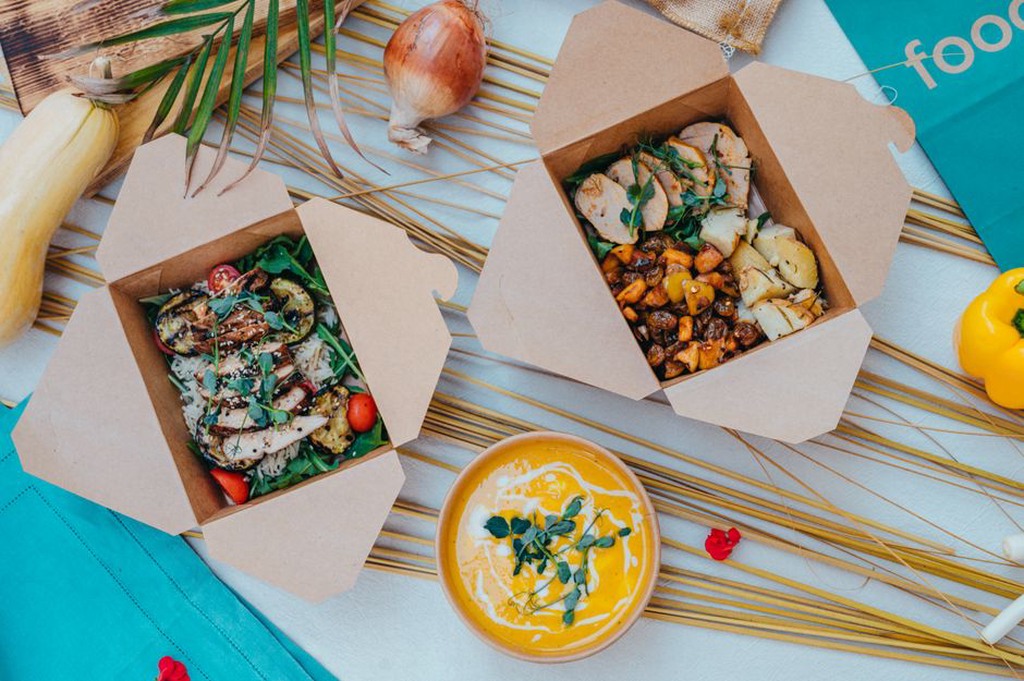
Plan for low-energy days
The most helpful batch-cooked food is food you can serve when cooking feels out of reach. Keep a short fallback list based on what is already prepared: thawed soup, frozen shredded chicken, cooked squash, bagged greens, canned fish that fits your current AIP stage, or simple fruit alongside leftovers. The details will vary by tolerance and phase.
Prepare at least one assembly meal, not only recipe-style dishes. For example, freeze individual portions of cooked meat and roasted sweet potato. On a busy evening, reheat both, add prewashed greens, drizzle with olive oil and lemon, and finish with herbs. It is not a compromise; it is exactly what those components were prepared for.
Keep AIP batch cooking from becoming overly restrictive
Batch cooking can quietly narrow a menu for weeks. Repetition is convenient, but nutritional variety still matters. Rotate vegetable colors, protein sources, and cooking methods across the month rather than trying to include maximum variety every Sunday. If one food seems to repeatedly cause discomfort, avoid assuming it is the only cause. Stress, sleep, meal size, preparation method, and unrelated health issues can affect symptoms as well.
AIP elimination phases are generally intended to be temporary and structured, with reintroduction considered individually and often with professional support. Persistent digestive symptoms, unintentional weight change, severe reactions, fatigue, or worries about meeting nutritional needs should be discussed with a physician or registered dietitian. Discuss dietary changes with a clinician as well, particularly during pregnancy, adolescence, older age, or if you have a history of disordered eating or a chronic medical condition. The World Health Organization’s healthy diet overview provides broader context on dietary variety and nutrient adequacy.
For your next batch, keep the plan small: choose one protein, one roastable root vegetable, one green vegetable, and one fresh herb. Cook the protein and root vegetable first, freeze half, and leave the herb unchopped until the day you eat the meal. That one choice helps the food stay fresher and leaves you with a practical dinner when the week gets busy.