A reliable AIP snack can sit in a bag for a few hours, uses ingredients you recognize, and is filling enough to carry you to the next meal without arriving ravenous. During the elimination phase of the Autoimmune Protocol, many usual convenience foods are excluded: grains, dairy, eggs, legumes, nuts, seeds, nightshades, and common additives often show up in packaged snacks.
That does not mean every snack must be made from scratch. A little planning makes room for portable foods based on meat, seafood, vegetables, fruit, and approved fats. The point is to have practical food on hand, not to create endless variety at every snack.
Start with the elimination-phase basics
AIP is an elimination approach, not a diagnosis or treatment for autoimmune or digestive conditions. The strict elimination phase generally avoids foods commonly excluded on a paleo diet, along with eggs, nuts, seeds, nightshades, and seed-based spices. Plans can vary, especially after careful food reintroductions, so follow the version you have agreed on with a qualified clinician or dietitian.
For travel and busy days, build snacks around three simple parts:
- A protein or savory base: cooked meat, fish, poultry, or a tolerated meat-based snack.
- A produce component: fresh fruit, cooked vegetables, or crunchy raw vegetables if they feel comfortable to digest.
- An optional energy source: avocado, olives, coconut, or a simple root-vegetable preparation.
This is flexible. A short car ride may call for nothing more than fruit and a portable protein. A delayed flight or long appointment may call for something closer to a small meal.
Portable snack ideas that travel well
Protein-centered choices
Plain meat or poultry portions are among the most dependable options. Pack slices of roast chicken, turkey, beef, pork, or lamb in a chilled container. Leftover burger patties made without egg, breadcrumbs, pepper, or seed spices work well, too. Keep seasoning simple with salt, garlic, onion, and fresh herbs such as rosemary or thyme, if tolerated.
Homemade meatballs are useful when made with minced meat and finely grated vegetables such as zucchini, carrot, or onion. A little cooked, mashed sweet potato can help bind them, or you can shape them carefully without a binder. Do not assume commercial meatballs fit AIP: they often contain pepper, paprika, egg, breadcrumbs, or spice blends.
Fish packets or tins can be handy in a desk drawer or travel bag when the ingredients are simple. Check the full label for seed oils, pepper, mustard, chili, flavorings, or preservative blends. Pair fish with a soft avocado, cucumber sticks, or fruit. If the smell would be awkward in a shared space, save it for an outdoor or private break.
Jerky, biltong, or meat sticks can serve as emergency food, though labels need a close look. Sugar, soy, wheat, pepper, paprika, coriander, mustard, and vague “spices” are common. A short list with meat, salt, and clearly named tolerated seasonings is easier to assess. Because these products can be high in sodium, they work best as a backup rather than your only regular snack.
Fruit and vegetable options
Whole fruit travels easily: bananas, apples, pears, oranges, grapes, peaches, and berries in a sturdy container need little preparation. Choose firmer fruit for a bag and softer fruit for a cooler pack. Unsweetened applesauce cups or squeeze pouches can also be useful if the ingredients are limited to fruit and perhaps vitamin C.
Fruit tends to be more satisfying when paired with protein or fat. An apple with chicken pieces, for instance, is likely to hold you longer than fruit alone. Coconut flakes or coconut butter can work for people who tolerate coconut, though coconut butter is messy without a spoon and is easiest to pack in a small leakproof container.
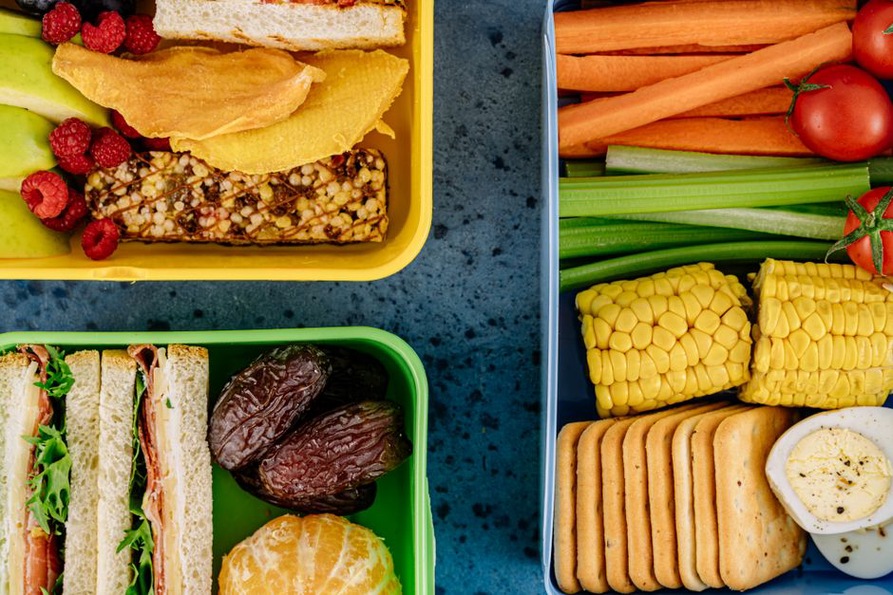
Vegetables are useful, too. Cucumber spears, carrot sticks, celery, radishes, snap peas if they are included in your protocol, and lightly cooked broccoli or green beans can travel in a chilled lunch box. Roasted sweet potato cubes, plantain slices, or squash wedges are more filling and may be gentler than raw vegetables for some people.
Prepare snacks for the setting, not just the ingredient list
Food safety matters as much as AIP compatibility. Perishable foods, including cooked meat, fish, cut produce, and avocado, need to stay cold. Use an insulated bag with ice packs, and do not leave chilled foods in a hot car or at room temperature for long periods. If refrigeration is uncertain, choose shelf-stable fruit, carefully selected meat snacks, or food bought shortly before you plan to eat it.
It also helps to match the snack to the situation:
| Situation | Useful AIP-friendly option | Practical detail |
|---|---|---|
| Short errand | Banana and plain meat stick | Keep it simple and avoid refrigeration if possible |
| Workday commute | Chicken bites, berries, and cucumber | Pack in a small cooler bag |
| Long appointment | Sweet potato cubes with turkey patties | More meal-like and filling |
| Flight or train trip | Whole fruit, dried fruit, approved jerky | Bring a backup in case suitable food is unavailable |
| After exercise | Leftover meat with fruit or starchy vegetables | Choose a portion that feels like a mini-meal |
Dry snacks can help, but dried fruit should not become the default. Dates, mango, raisins, and apple rings are compact and useful in a pinch, yet larger portions can be very sweet and may not satisfy hunger on their own. Pair a modest amount with protein when possible.
Label checks that prevent common mistakes
“Paleo,” “grain-free,” and “natural” are marketing terms, not proof that a product suits AIP. Grain-free crackers may contain almond flour, sesame, sunflower seeds, egg, or black pepper. Coconut-based snack bars can include cacao, nut butter, chicory root fiber, or seed-derived ingredients. During elimination, the ingredient list matters more than the claim on the front of the package.
Pay particular attention to these common surprises:
- Seed spices, including black pepper, cumin, coriander, fennel, mustard, and paprika
- Nightshade ingredients such as tomato powder, chili, cayenne, and potato starch
- Egg white or egg powder in meat snacks and baked goods
- Nut flours and seed butters in “healthy” snack bars
- Unspecified flavorings or spice blends that make ingredients hard to verify
- Added fibers or sugar alcohols that some people find uncomfortable
Digestive symptoms can have many causes, and a reaction after one snack does not prove that a single ingredient was responsible. If you are looking for patterns, a food and digestive symptom tracking guide that avoids jumping to conclusions can help you make more careful observations about timing, portions, stress, sleep, and other variables.
Make a small snack system at home
Snacks are easier to manage when you prepare them alongside regular meals. Cook extra chicken thighs, roast another tray of sweet potatoes, and wash fruit at the same time. Divide food into single servings only if it truly saves time; otherwise, keep components in larger containers and pack what you need the night before.
A useful weekly rhythm might include:
- Choose two protein options, such as roast chicken and simple beef patties.
- Prepare one cooked vegetable or starch, such as roasted squash or sweet potato.
- Buy two or three fruits that travel well.
- Keep one shelf-stable backup in a work bag, car bag, or backpack.
- Refresh refrigerated supplies every few days rather than letting them linger.
The same approach works for children, travel companions, or households with different diets: keep foods clearly separated, and do not assume a shared dip, seasoning blend, or prepared meat is compatible. The goal is not to police every social occasion. It is to reduce the pressure of having no suitable food available.
If persistent digestive symptoms, unintended weight changes, fatigue, pain, or increasing food restriction are part of the picture, discuss them and any significant dietary change with a doctor or registered dietitian. For tomorrow, keep it simple: pack one protein, one fruit or vegetable, and a cold pack if either item is perishable.