
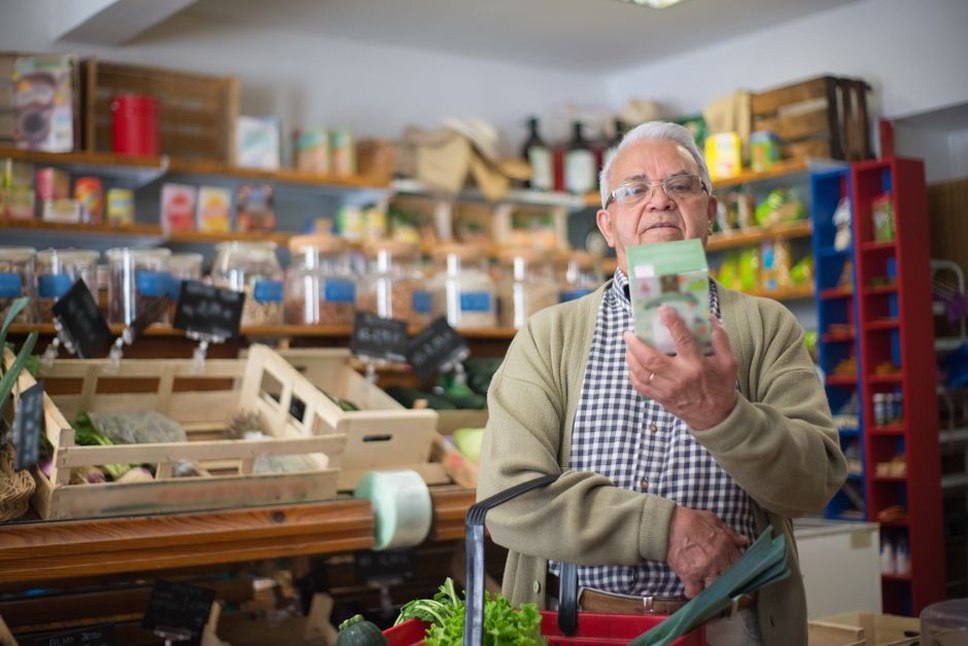
You pick up a jar of mustard or a bag of frozen vegetables and expect the ingredient list to tell you what's inside. Gluten—a protein composite in wheat, barley, rye, and sometimes oats—doesn't always show up under a name that sounds like grain. If you're on a paleo template, an autoimmune protocol, or just dealing with a digestive sensitivity, spotting these hidden sources is a practical skill, not an exercise in paranoia. The point isn't fear. It's clarity. And clarity starts with recognizing that gluten does more than give structure to bread. In processed foods, it's a texturizer, a stabilizer, a carrier for flavors, sometimes even an anti-caking agent.
Ingredient Labels: Where Wheat Masquerades
In many countries, regulations force manufacturers to declare wheat as a major allergen. Barley and rye? Not covered. A "wheat-free" label tells you nothing about gluten. That product can still contain barley malt, rye flour, or triticale. Read the full ingredient list, not just the allergen statement.
Look past the word "flour." Modified food starch, unless the source is named—corn, potato, tapioca—can come from wheat. Dextrin, maltodextrin, and caramel color sometimes start with wheat. In North America, maltodextrin is usually corn-based, but the label rarely confirms it. If the source isn't spelled out, you're guessing.
Hydrolyzed vegetable protein and hydrolyzed plant protein occasionally contain wheat. Regular soy sauce carries a significant proportion of wheat unless it's explicitly labeled tamari or gluten-free. Seitan, a meat alternative, is almost pure wheat gluten. Less obvious: imitation crab meat often uses wheat starch as a binder. Even ground spices and spice blends sometimes include wheat flour to prevent clumping. The fix isn't to avoid spices. It's to check blends and buy single-ingredient spices from companies that disclose their processing aids.
Tracking what you eat and how you feel afterward reveals patterns that single exposures hide. A detailed food and symptom journal becomes the backbone of any elimination process. You can find a structured method in our guide on How to Keep a Food and Symptom Journal on Paleo and AIP.
Cross-Contact in the Kitchen
Hidden gluten isn't just about ingredients. Proximity matters too. Shared cutting boards, toasters, colanders, and wooden utensils hold onto gluten residues. In a mixed-diet household, even a careful meal can become a source of exposure. Porous surfaces—wood, plastic—retain more residue than glass or stainless steel. Dedicated equipment isn't always practical. A few habits reduce risk: use separate sponges for gluten and gluten-free dishes, line shared baking sheets with parchment, and never cook gluten-free pasta in water that just boiled wheat pasta.
Condiment jars create a subtler trap. A knife touches bread, then dips into the almond butter or mayonnaise. Crumbs enter. Squeeze bottles and individual portions eliminate the problem entirely. Restaurants, even those advertising gluten-free menus, work in tight spaces. Flour dust settles on surfaces. Fryer oil gets shared. Ask whether fried items share oil with breaded foods—that question reveals more than "does this dish contain gluten?" The answer often surprises people: many kitchens fry tortilla chips in the same oil as battered onion rings.
Non-Food Sources That Enter the Mouth
Gluten has to be ingested to trigger a reaction. Ingestion doesn't always mean food. Lip balms, lipsticks, and toothpaste sometimes contain wheat germ oil, vitamin E derived from wheat, or hydrolyzed wheat protein. Play-Doh is made from wheat flour. A child handles it, eats a snack without thorough handwashing, and gluten transfers to the mouth. Some envelope adhesives and stamps used wheat-based glue—less common now, but not extinct. Supplements and medications can use wheat starch as a filler or binder. Scan the inactive ingredients on over-the-counter products the same way you'd read a food label.
Communion wafers. Certain herbal teas with roasted barley. Even some instant coffees have been reported to carry trace gluten from processing. The takeaway isn't a paralyzing list of every possible source. It's the habit of questioning what you don't see. When a product uses vague terms like "natural flavoring" or "spices" and won't name the starch source, a quick call to the manufacturer often gives you the answer the label withholds.
Decoding Certifications and Claims
A "gluten-free" certification mark from a recognized third-party organization means more than a manufacturer's own claim. Certified products get tested and audited to verify they fall below 20 parts per million of gluten—the threshold considered safe for most people with celiac disease. But certification is voluntary and expensive. Plenty of safe products lack the symbol. A product labeled "gluten-free" without a certification logo still must meet regulatory standards in many places, though enforcement isn't uniform. The phrase "made in a facility that also processes wheat" is a voluntary disclosure about potential cross-contact. It doesn't mean the product contains gluten. Some people tolerate these products fine; others don't. Your own response, tracked over time, is what actually counts.
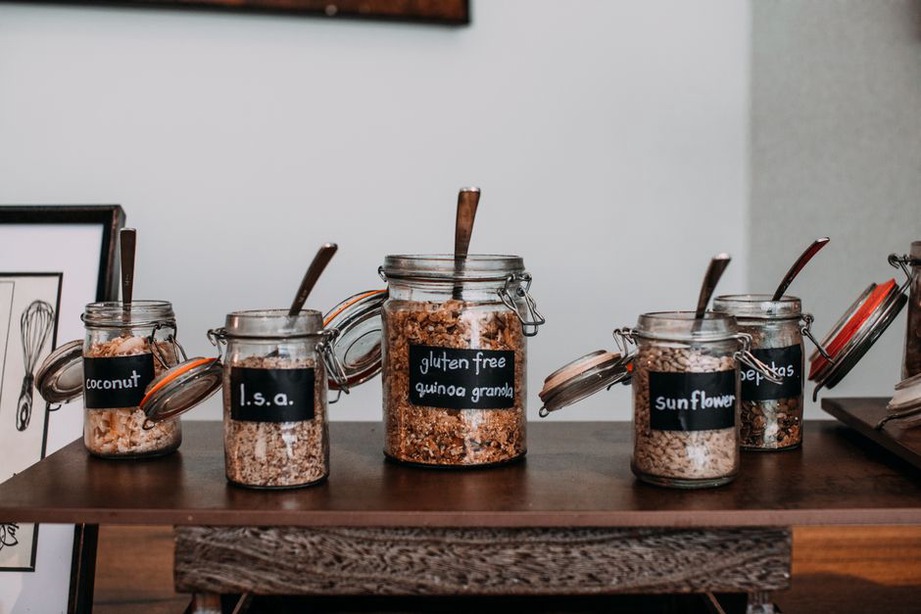
For anyone on a strict autoimmune protocol, the concern stretches beyond gluten to other grain proteins that may cross-react in sensitive individuals. The elimination phase of AIP removes all grains, which inherently removes gluten. The reintroduction phase demands careful, methodical testing. Our Paleo Autoimmune Protocol (AIP) practical guide walks through that structured process. Reintroduction isn't a race—it's a dialogue with your body.
Practical Steps for Everyday Clarity
Building a gluten-aware kitchen doesn't mean overhauling everything at once. Start with the items that touch food most often: cooking oils, condiments, spice blends, powdered mixes. Replace or verify those first. When dining out, pick restaurants that cook from whole ingredients rather than leaning on pre-made sauces and marinades—that's where gluten lurks. Communicate your needs clearly: "I need to avoid wheat, barley, rye, and anything made from them. Can you help me find dishes that work?" That phrasing works better than asking if something is gluten-free, because it tells the server the actual scope of what you're avoiding.
One underappreciated tool? A photograph. Snap a picture of an ingredient list or a menu description. You create a record you can review later if symptoms appear. Patterns surface over weeks and months that are invisible in a single meal. The detective work of spotting hidden gluten isn't about perfection. It's about cutting down the noise so that when a reaction happens, you have enough data to trace it back to its source. That clarity, far more than any single product recommendation, is what keeps a dietary pattern sustainable.