A room can be bright enough for you to read in and still be too dim for a plant. Your eyes adjust to low light; leaves need enough light to photosynthesize. Before buying greenery for a shaded corner, check how much daylight reaches the exact spot where its leaves will sit. A shelf beside a window and one across the room offer very different growing conditions.
Work out what “low light” means in your room
For houseplants, low light usually means indirect daylight from a window, with little or no direct sun. It does not mean a windowless bathroom lit only when someone enters. A plant might survive there for a while, but it cannot keep growing without enough light.
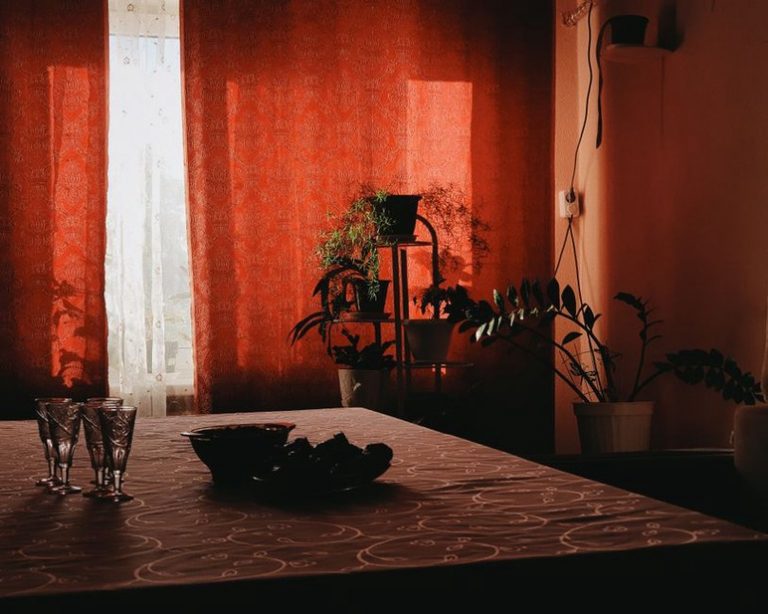
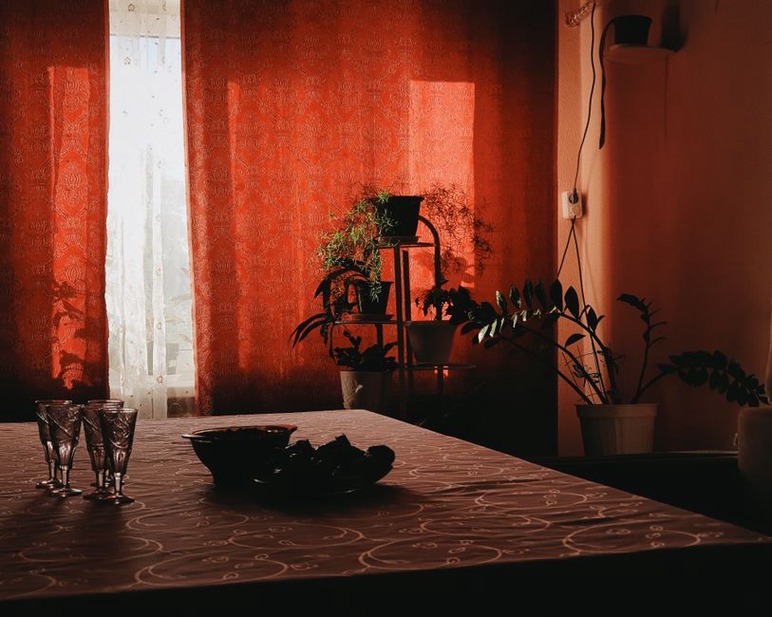
Look at the intended spot at several times of day. Does it get direct sun, daylight from a visible patch of sky, or only light that reaches it from elsewhere in the room? Window direction matters, but so do the season, climate, neighboring buildings, trees, blinds, and deep window recesses. In the Northern Hemisphere, a north-facing window often gets gentler light than a south-facing one; in the Southern Hemisphere, the pattern is broadly reversed. A tree outside may matter more than the compass direction.
Distance from the window is easy to underestimate. Light can fall sharply as you move farther away, especially if walls or furniture block part of the sky. If the plant will live on a bookcase, assess that shelf, not the room as a whole. A phone light-meter app can help you compare spots, though its readings are not precise plant-care targets. If you use one, take each reading at the same time and in the same way.
Check the spot beyond the light level
- Temperature: Avoid cold drafts, heaters, and air-conditioning vents. A plant beside a chilly window may face different conditions from one a short distance away.
- Moisture: Make sure the pot can drain without damaging the shelf or floor. Do not let a decorative outer pot hold standing water around the roots.
- Space: Leave room for leaves to spread without rubbing against a wall or being brushed whenever someone passes.
- Household access: If children or pets might chew foliage, check the plant’s toxicity before bringing it home. A high shelf is not necessarily out of a cat’s reach.
Choose plants for tolerance, not a “no-light” label
Plants sold as low-light choices can generally tolerate less light; they do not prefer darkness. Species and cultivars vary, and a healthy plant from a brightly lit shop may need time to adjust to a dimmer home. Treat these as starting points, not promises that a plant will thrive in every room.
For a spot with modest indirect daylight
Cast iron plant (Aspidistra elatior) is a practical choice when a window supplies some daylight but the spot is shaded. Its broad leaves and slow growth suit a space where a fast-growing vine would get in the way. It still needs a pot that drains and should not sit in persistently wet soil.
ZZ plant (Zamioculcas zamiifolia) stores water in thick underground structures and often copes well with infrequent watering. Growth slows in low light, so skip the fixed weekly watering schedule. Let the potting mix dry appropriately between waterings. Avoid this plant where a pet or child might chew it.
Snake plant (Dracaena trifasciata) tolerates a range of indoor conditions, including relatively low light. Its upright leaves fit narrow spaces, but dim conditions make overwatering especially risky. Use a pot with drainage and check the mix below the surface before watering. It is also unsuitable where pets may eat the leaves.
Heartleaf philodendron (Philodendron hederaceum) can trail from a shelf with indirect light. If the shelf is too dark, it may grow sparse; long gaps between leaves are a useful clue. Its foliage is toxic if chewed, so choose its position with care.
For a brighter edge of the low-light range
Pothos (Epipremnum aureum) is adaptable and easy to propagate, but inadequate light can lead to smaller leaves and longer bare stretches of stem. Variegated forms may lose some of their pattern in a dimmer spot. Like philodendron, pothos belongs out of reach of pets and children who might chew it.
Peace lily (Spathiphyllum) can cope with indirect light, though it is less likely to flower in a dim position. Drooping might mean the soil is dry, but stressed roots can cause it too. Feel the mix before adding water. Peace lily is toxic to pets and can irritate the mouth if chewed.
Chinese evergreen (Aglaonema) offers patterned foliage where there is usable indirect daylight. Green varieties may be more forgiving of dimness than strongly variegated ones, which generally need more light to maintain their growth and color. Keep it away from pets that chew plants.
If pet safety comes first, consider a parlor palm (Chamaedorea elegans) where it will get steady indirect daylight. It is generally listed as non-toxic to cats and dogs, although eating any plant can still upset an animal’s stomach. Its fine leaflets may brown in very dry air or with inconsistent watering. Check the botanical name on the label: common names are not always reliable guides to toxicity.
Match the plant to your care habits
Light is only part of the choice. If you travel often, a ZZ plant or snake plant may be easier to manage than a parlor palm. If you like checking soil moisture, a peace lily might suit you, provided its position is bright enough. Choose with your routine in mind, not just the plant’s appearance.
Pot size and soil affect how forgiving a plant will be. An oversized container holds more wet mix around a small root system, and that mix can take a long time to dry in low light. Drainage holes let you water thoroughly and allow the excess to escape. If you use a cover pot, empty it after watering rather than leaving the inner pot standing in runoff.
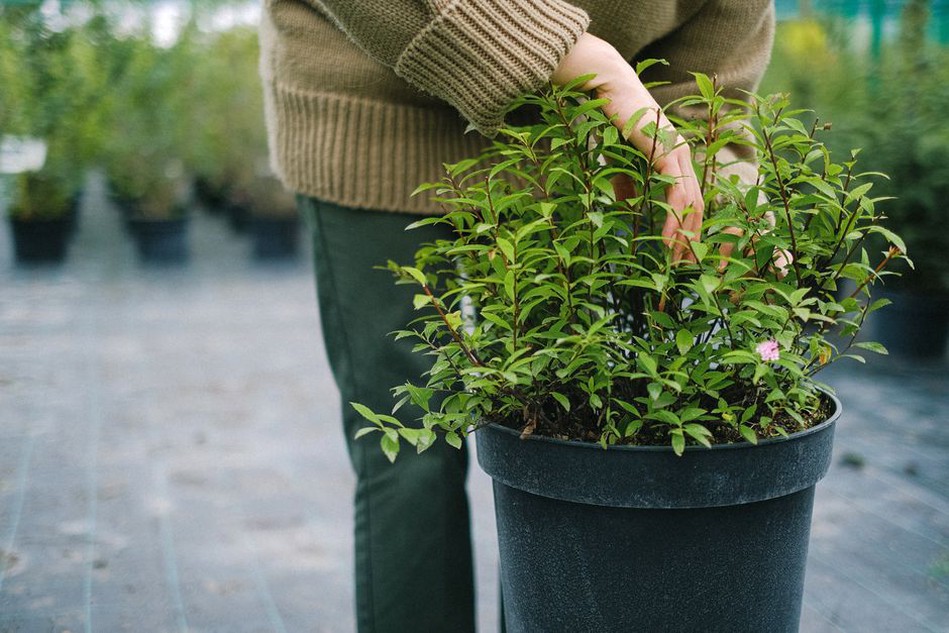
Low light usually means slower growth and less water use. Check the soil with a finger or wooden skewer instead of watering by the calendar. How deep the mix should dry depends on the plant and the potting mix: a snake plant in dense soil should not be watered like a parlor palm in an airy mix. Wilted leaves alone will not tell you whether roots are dry or waterlogged.
Look for a healthy plant before you take it home
At the shop, look above and below the leaves for webbing, sticky residue, tiny insects, or unusual spots. Check stem joints and the soil surface as well. A few aging lower leaves are not necessarily a problem, but widespread yellowing, mushy stems, or a sour-smelling potting mix are reasons to choose another plant. If the label says only “assorted tropical plant,” ask for its botanical name.
Check for a drainage hole, even if the plant is displayed inside a decorative container. Pass on a specimen that has been sitting in standing water. Once home, keep it separate from your other houseplants for a short observation period; that makes any pest problem easier to spot and contain.
Give the plant time to show whether the spot works
Do not judge the location after only a few days. A plant can look unchanged while drawing on energy stored before it arrived. Over the following weeks, compare new growth with older leaves. Slow growth can be normal in low light, but persistent leaf drop, increasingly small leaves, pale new growth, or stretching toward the window suggest the spot may be too dim. Yellowing and soft stems can also point to excess moisture, so check the soil and drainage before moving the pot.
Rotate the pot occasionally if it leans toward the window. Keep dust off the leaves so they can receive the available light: use a soft, damp cloth for sturdy foliage and a gentler touch for delicate leaves. Go easy on fertilizer in a very dim spot. It cannot replace missing light, and a slow-growing plant uses nutrients slowly.
Watch for seasonal changes, too. A spot that works during long summer days may become marginal in winter. Moving the plant closer to a window can help, as long as it stays clear of cold glass and drafts. If the room has no meaningful daylight, a suitable grow light on a consistent timer is more realistic than an ordinary ceiling fixture. Choose a light intended for plants and follow its placement and electrical-safety instructions.
Keep indoor greenery separate from health claims
Houseplants can make a room feel more pleasant, but a few pots cannot replace ventilation, cleaning, or fixing the source of dampness and mold. Claims that ordinary numbers of houseplants meaningfully purify indoor air are often overstated. If potting mix repeatedly stays wet or develops visible mold, address drainage and watering rather than adding more plants to the same conditions.
If you are managing food sensitivities or digestive discomfort, treat plant care as a separate household choice, not a dietary intervention. Discuss persistent symptoms and planned diet changes with a doctor; changes to room decor are not a way to explain or manage those symptoms.
If a shaded shelf is your only option, set the pot near its window-facing edge rather than at the back. Remember that position, check the soil before each watering, and compare new leaves with older ones after several weeks. If the new leaves are smaller and widely spaced, move the plant closer to daylight.