That half-used bag of spinach is easier to save if you give it a job before putting it away. Add a handful to tomorrow’s eggs or soup, then cook and freeze the rest before it wilts. Small decisions like these often prevent more waste than a new set of storage containers.
Shop for the meals you will actually eat
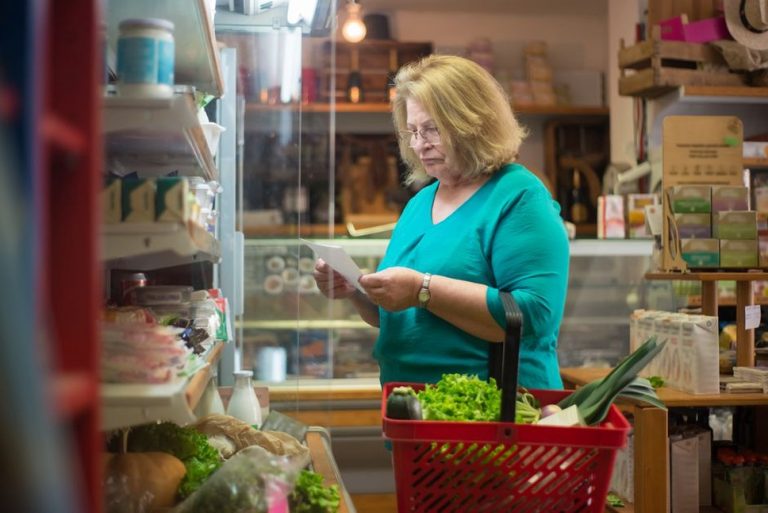
Before writing a shopping list, check the refrigerator, freezer, and pantry. See what needs using soon and plan two or three meals around it. If you have carrots and cooked chicken, you may only need greens and broth to make soup. List quantities, too: “two onions” is more helpful than “onions” when you have a recipe in mind.
Leave some room for plans to change. A week of meals built entirely around short-lived produce can backfire when your schedule shifts. Keep one flexible meal in reserve, such as a vegetable frittata, soup, or baked potatoes with toppings that suit your diet. For a paleo-style or elimination diet, roasted vegetables with leftover protein and an oil-based dressing might fit better. Stick with ingredients you know you tolerate rather than buying unfamiliar foods just to use up leftovers.
Bulk buying saves money only if you can use or preserve what you buy. Before picking up a large package, decide which portions you’ll cook this week and which you’ll freeze. A smaller package may cost more per unit but less overall if nothing spoils.
Make the refrigerator easy to scan
Food can spoil simply because it gets pushed behind newer groceries. Put items that need using soon near the front. A clear container marked “use first” can hold a half lemon, cut vegetables, opened broth, or yesterday’s cooked food. Check it before you start dinner.
Store produce according to its needs
- Leafy greens: Remove damaged leaves. Store dry greens in a container or bag with a clean towel to absorb excess moisture. Wash just before use unless you can dry them thoroughly.
- Herbs: Trim the stems of sturdy herbs and stand them in a little water, loosely covered if refrigerated. Delicate herbs may keep better in a slightly damp towel. Check them regularly; one method will not suit every herb.
- Cut produce: Refrigerate it promptly in a covered container. Date foods you tend to forget about.
- Potatoes and onions: Store them separately in ventilated places away from direct sunlight, not sealed together in a damp refrigerator drawer.
Good storage slows deterioration; it cannot make spoiled food safe. Follow package refrigeration instructions. If food smells off, develops unexpected mold, or has been stored under uncertain conditions, discard it rather than tasting it to check.
Understand dates without guessing about safety
Package labels vary by country and product. “Best before” usually refers to quality, while “use by” may be a safety deadline under local rules. Check the wording and follow guidance where you live. An unopened shelf-stable product past a quality date may still be usable if stored properly; a safety date on perishable food is another matter.
With leftovers, pay attention to time and temperature. Refrigerate cooked food promptly in shallow containers so it cools faster. As a general rule, use refrigerated cooked leftovers within three to four days, or freeze them sooner; local food-safety advice may differ. Reheat food thoroughly, and don’t leave cooked dishes on the counter for extended periods while you decide what to do with them.
Cook with a second use in mind
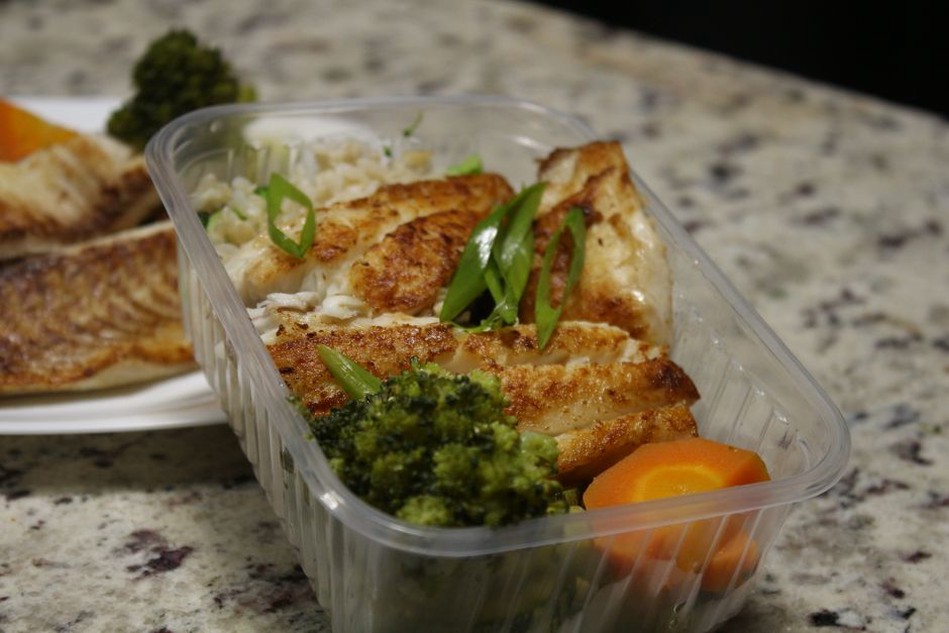
Versatile components can be easier to use up than a large batch of one finished meal. Roasted carrots can be a side dish tonight, then go into soup or a lunch bowl. Plain cooked chicken can take different seasonings alongside different vegetables. Freeze extra portions while they’re still appealing, rather than waiting until you can’t face another serving.
Keep a short freezer inventory on your phone or freezer door, with dates, contents, and portion counts. Freeze food in amounts you’ll realistically thaw: one serving of soup is often more useful than a large frozen block. Label containers clearly when sauces and broths look alike.
Use scraps selectively
Clean carrot peels and herb stems can flavor homemade broth. Collect them in a freezer bag, but leave out moldy or heavily soiled pieces. Some scraps belong in the compost instead; too many bitter greens, for example, can overwhelm a stock. Broth does not make unsafe food usable.
Fresh, clean broccoli stems can be peeled and sliced thinly, and cauliflower leaves can be roasted. If a citrus peel is suitable for eating, wash it and save the zest before juicing. These ideas work best when they fit a meal you already plan to make. Keeping every scrap without a plan just moves the waste to the freezer.
Adjust portions to your household
Notice what regularly comes back uneaten. If half a tray of roasted vegetables is left after dinner, cook less next time or decide on its second use before turning on the oven. Measure ingredients you tend to overprepare. When appetites vary, serve modest first portions and let people take more.
In households managing food sensitivities, label leftovers with ingredients as well as dates so no one has to guess what’s in them. During an elimination phase, plan around foods currently permitted and tolerated, not pressure to finish something unsuitable. A food and symptom diary may help you notice which portions repeatedly leave you uncomfortable, but it cannot diagnose a condition.
Discuss persistent digestive symptoms and significant dietary changes with a doctor. Restrictive approaches, including elimination diets, are not substitutes for medical care. Preventing waste should never come before adequate nourishment or food safety.
Give surplus food a timely destination
If unopened, suitable food won’t be used, offer it to someone who can use it or check a local food pantry’s acceptance rules. Do it while the food is still in good condition. Where composting is available, follow local guidance on which inedible plant scraps it accepts.
Before your next shopping list, spend five minutes checking the “use first” area. Two softening but otherwise sound carrots can be chopped and cooked tonight. If the soup won’t be eaten in the next few days, cool it promptly, date it, and freeze a single serving.