Before buying anything, move the sofa a few inches away from the wall. That small shift can make the room feel less like furniture lined up around its edges and more like a place to sit together. A budget-friendly refresh often begins with the layout, the light, and what you already own.
Set a small budget and identify what feels off
Stand in the doorway and notice what catches your eye first. Is it a crowded coffee table, a dark corner, worn cushions, or a narrow walkway? Pick one or two things to address instead of treating every surface as a reason to shop. You’re more likely to notice the result if you focus on what bothers you day to day.
Set an amount you can comfortably spend, allowing for tax, delivery, and supplies such as paintbrushes or curtain hardware. Hold some of it back until you’ve rearranged the room and taken measurements. If the main problem is poor lighting, a secondhand lamp may help more than several new decorative pieces. If the furniture works but the room feels busy, you may not need to spend anything.
Take a quick photo from the doorway and another from your usual seat. A photo may show clutter or an awkward gap you’ve stopped noticing. Keep the pictures so you can compare them after making changes, before deciding what else to buy.
Rearrange before you replace
Clear small items off shelves, tables, and the floor, then try moving the larger pieces. Leave enough space to walk through without turning sideways, and make sure doors and drawers still open. In a compact room, one easy route between the entrance and the seats matters more than perfect symmetry.
Try turning seats toward each other, not just toward the television. An armchair moved out of a far corner might become part of the conversation area; a side table borrowed from a bedroom could give it a place for a drink. If a piece is heavy, sketch the room and measure the proposed spot first. Protect the floor and ask for help rather than dragging it on your own.
Pay attention to what each piece actually does. A bulky table might be useful for games and meals, or it might just collect mail. Clear it for a week and see whether the issue is the table, its position, or the things that land on it.
Give the room one clear focal point
You don’t need a fireplace or expensive artwork. A window with tidy curtains, a bookcase with some breathing room, or a favorite print above the sofa can draw the eye. Choose one area, then keep nearby surfaces quieter. When every shelf and wall is full, even a large room can feel crowded.
Use lighting to change how the room feels
An overhead light may brighten the middle of the room while leaving your seat dim. Before replacing it, move a lamp you already own beside the place where you read or relax. If you need another, look at secondhand listings or charity shops for one with a stable base, sound wiring, and a shade that sends light where you need it. Avoid lamps with damaged cords or an uncertain electrical history.
Make the most of daylight, too. Pull open curtains fully clear of the glass, clean the window, and move tall objects that cast unnecessary shadows. A mirror can reflect a window or bright wall into a darker part of the room; check that it won’t create screen glare or shine into someone’s eyes.
If nearby lamps have noticeably different color tones, the light can look uneven. Compare bulb labels for color temperature and choose a consistent feel around the seating area. Check each fixture’s bulb requirements before making a change.
Refresh soft furnishings without replacing everything
Wash throws and removable cushion covers according to their care labels before deciding what needs replacing. If the cushion inserts are still in good shape, new covers cost less and create less waste than whole cushions. Or borrow a throw from another room and fold it over the back of a chair.
Take color cues from a rug, artwork, or the upholstery you already have. Repeating one or two colors in smaller pieces can pull the room together without a matched set. A smooth cotton cover beside a woven throw adds texture; too many piled-up cushions can make the seating less comfortable.
Consider a rug if it has a job to do, such as defining a seating area in an open-plan room or softening a hard floor. Measure first: a rug that is too small can make the furniture look disconnected. A larger secondhand rug in good condition may be a better buy than a new small one, but inspect it for stains, odors, and wear, and allow for cleaning costs. If dust or fragrance is a concern in your household, choose materials you can clean regularly and skip heavily scented fabric sprays.
Make inexpensive wall changes carefully
Paint can make a difference, but a full repaint may cost more time and money than expected once you include tools and preparation. Cleaning scuffs with a wall-safe method, touching up a mark with leftover paint, or painting one small section might be enough. Test cleaners somewhere inconspicuous, and let a paint touch-up dry to check the match before covering a larger area.
If you rent, check your agreement before painting or making holes. Removable hangers can help, but they can still damage some painted surfaces. Follow the weight and surface instructions, and test cautiously where permitted. Framing a print you own or grouping a few family photographs may be all a bare wall needs.
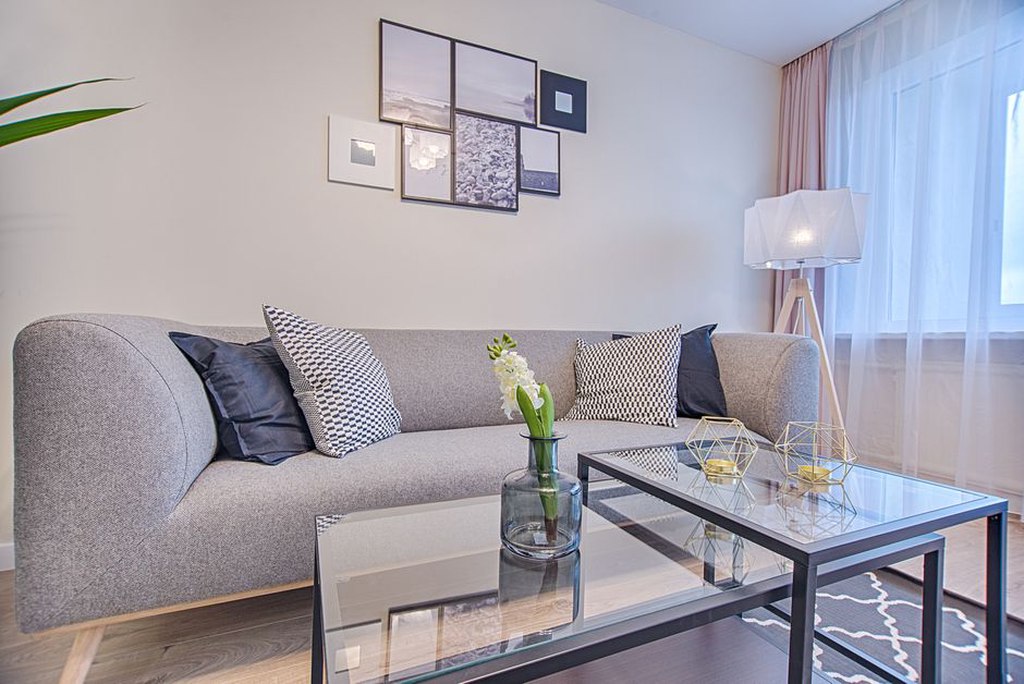
Position art in relation to the furniture below it rather than automatically centering it on the wall. A modest print above a side table can look more at home than the same print floating over a wide sofa. Mark the proposed position with paper before making holes, then step back and look from both the doorway and the seats.
Reduce clutter with storage that suits the routine
Baskets can hide loose items, but they won’t help much if the storage is awkward to use. Sort what belongs in the living room first. Keep remotes, current books, and a blanket near where you use them; return everything else to its proper place. Leave enough room on shelves to find things and put them away easily.
A tray can hold a few daily essentials without taking over the coffee table. A lidded box might suit game pieces or charging cables, as long as it’s easy to reach. Try a sturdy container you own before buying matching storage. If you can’t tell what’s inside a closed box, label it so it doesn’t become a home for forgotten things.
On open shelves, break up groups of books with a few objects you genuinely like. You don’t have to display every keepsake at once. Swap a few items in later when you want a change.
Shop secondhand with measurements, not guesses
Secondhand shopping works best when you know exactly what will fit. Write down the maximum width, depth, and height of the piece, along with the measurements of any doorways or stairs it must pass through. For a lamp or small table, take a photo of the intended corner to help judge scale. A bargain isn’t much use if it blocks a walkway or needs repairs you can’t make.
Check furniture for wobbling, damaged joints, sharp edges, and odors. Ask how upholstered pieces were stored, and inspect them carefully before taking them home. Solid wood or metal may be easier to clean or refinish than badly worn upholstery. Only take on a repair project if you have the time, tools, and a safe place to work.
You could spend in this order, stopping whenever the room feels better:
- Free: rearrange seating, clear surfaces, swap accessories between rooms, and clean windows.
- Small cost: replace a worn cushion cover, frame a print you own, or improve task lighting.
- Larger purchase: buy a rug, chair, or storage piece after measuring and living with the new layout.
This isn’t a shopping checklist. An empty corner doesn’t automatically need a plant, and a clear wall doesn’t automatically need art.
Allow the room to reflect daily life
The room still needs to work for the people who use it. Put a reading light near the reader, leave somewhere to set down a mug, and choose surfaces that can handle everyday use. With pets or children, washable covers and stable tables may matter more than delicate finishes. If dust is hard to keep on top of, fewer small objects can make cleaning easier.
Live with the changes for several evenings before spending the rest of your budget. Can you read comfortably? Does anyone have to walk around a table? Is there an obvious place for the things you use every day? If the sofa still feels dim, measure the floor space beside it and look for one suitable lamp rather than filling the corner with accessories.