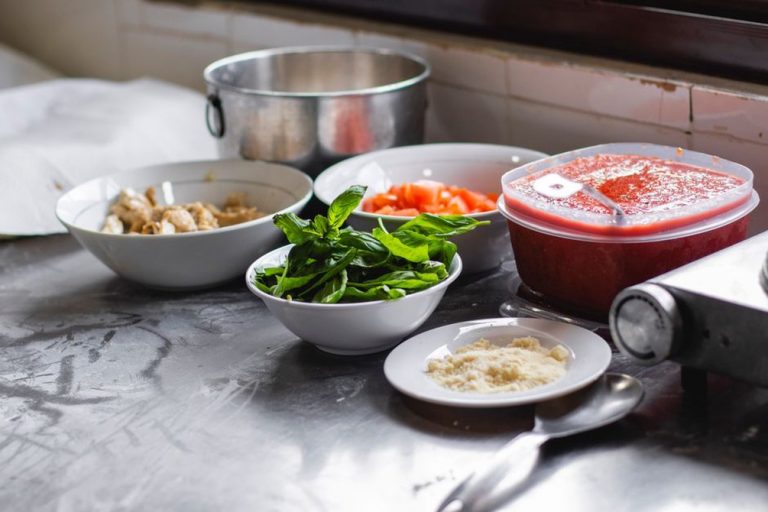
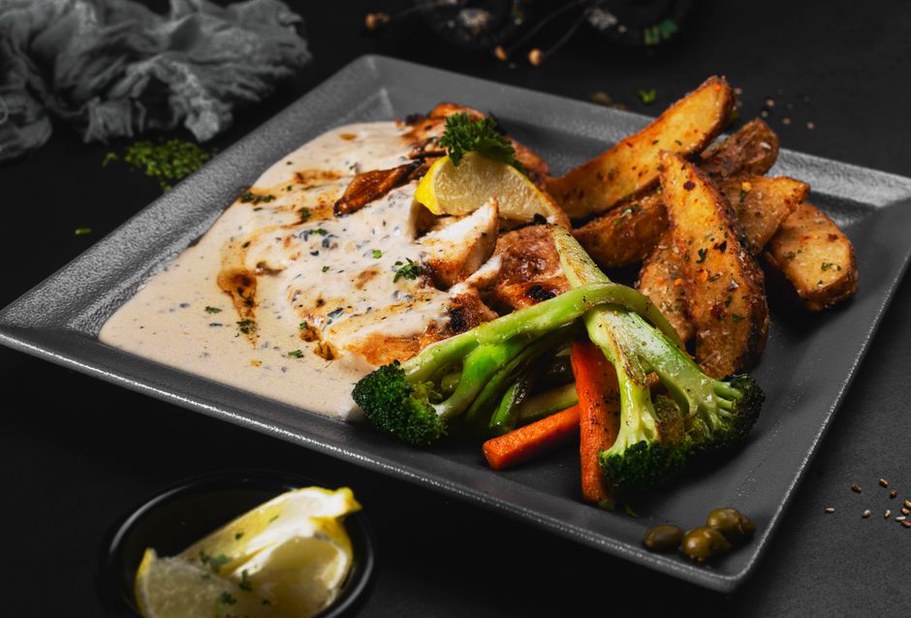
A plate of roasted chicken, cooked carrots, potatoes, and olive oil may sit more comfortably than a large raw salad. That does not make it more “paleo.” Portion size, texture, and ingredients all play a part in digestion, and a food that fits a paleo diet will not necessarily agree with everyone.
What paleo changes—and what it does not
A typical paleo diet centers on vegetables, fruit, meat, fish, eggs, nuts, and seeds, while leaving out grains, legumes, and dairy. For someone bothered by a particular dairy product, that change might bring relief. Eating fewer packaged foods with long ingredient lists can also make it easier to tell what is in a meal.
Neither possibility proves that grains or legumes cause digestive symptoms in everyone. Some people tolerate them well and value the fiber and variety they provide. Meanwhile, a paleo meal can contain plenty of onion, garlic, dried fruit, or nuts—foods that may cause gas or discomfort for some. What you eat, how you prepare it, how much you serve, and how you respond matter more than the diet label.
Build meals that are substantial but manageable
Fish, poultry, meat, or eggs can anchor a meal without requiring a huge serving of vegetables. Add a carbohydrate source that suits you, such as potatoes, sweet potatoes, squash, fruit, or another starchy vegetable. Some fat adds flavor and makes a meal satisfying, but notice whether rich meals leave you uncomfortably full. Fat slows stomach emptying; a heavy meal does not automatically feel gentle because its ingredients are paleo.
Pay attention to fiber, too. Vegetables and fruit can support regular bowel movements, but a sudden increase—particularly large raw portions—may bring bloating or gas. Cooked vegetables and gradually larger portions may be easier to manage. Peeling some fruit or vegetables changes their texture and fiber content without taking produce off the menu.
Variety matters. A diet built mostly around meat and a few low-fiber vegetables may do less for regularity than you hoped. Try rotating plant foods you tolerate rather than relying on one “safe” vegetable. Research links varied plant intake with differences in the gut microbiome, but it cannot tell you which food will settle your stomach or promise that a particular paleo menu will improve symptoms.
Small changes to try at an ordinary meal
- Swap a large raw vegetable side for a moderate serving of cooked vegetables.
- Choose a simple starch you tolerate instead of filling up on extra nuts or fatty meat.
- Keep sauces and seasonings straightforward when you want to see how a meal sits with you.
- Eat at a comfortable pace, notice when you feel full, and avoid testing several new foods at once.
You need not eat bland food indefinitely. Herbs, citrus, and different cooking methods can keep meals appealing, as long as those ingredients suit you.
Why a “healthy” paleo ingredient might still cause discomfort
Amount can make a difference. A few berries may feel fine when a large bowl of fruit does not; a small serving of avocado may sit differently from a whole one. Nuts and seeds are easy to eat by the handful, and their fat and fiber add up quickly when they replace crackers or other snacks.
Some plant foods contain fermentable carbohydrates that gut bacteria break down, producing gas. Onion, garlic, apples, and other paleo staples may be troublesome if you are sensitive to those carbohydrates. They are not harmful to everyone, and everyone does not need to avoid them. If you suspect a particular ingredient, ask a clinician or dietitian about a structured way to investigate it rather than cutting out whole food groups on a guess.
A reaction may not come down to one ingredient. Meal timing, portion size, constipation, stress, and activity can affect how your abdomen feels afterward. Discomfort after lunch may even reflect something earlier in the day. If you keep a food and symptom diary, note what you ate and how much, when symptoms appeared, and any relevant context. Look for a pattern across several meals, not a verdict from one uncomfortable afternoon.
Make room for tolerance, not just rules
Paleo is a broad template, not a digestive prescription. The autoimmune protocol, or AIP, is a more restrictive elimination approach: it temporarily removes additional foods, then brings them back in a planned reintroduction. It is not automatically a better choice for bloating. Staying on a restrictive diet for too long can make it harder to meet nutritional needs or enjoy meals. Discuss persistent symptoms and significant diet changes with your doctor; a dietitian can help make an elimination plan purposeful and nutritionally adequate.
It also helps to separate preference from necessary restriction. If eggs, tomatoes, or a particular fruit sit well with you, removing them because someone else finds them difficult offers no clear digestive benefit. If you suspect a food is causing trouble, a planned reintroduction with appropriate guidance may tell you more than avoiding it indefinitely.
Pay attention to the whole eating pattern
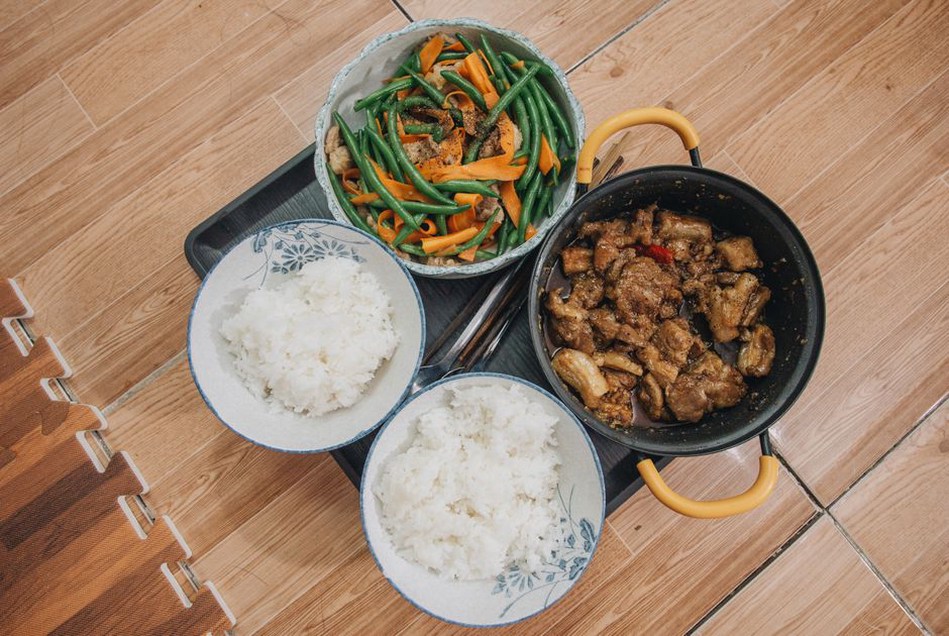
Replacing bread and beans with vegetables and fruit works for some people, but others end up eating less carbohydrate—or less food overall—than they intended. Hunger, low energy, or a change in bowel habits may then get blamed on a single ingredient when the whole meal pattern has shifted. Regular meals with enough food, a mix of tolerated plants, and fluids are a more useful starting point than a perfectly compliant plate.
Movement may affect comfort, though it is not a cure for digestive symptoms. If it fits your day, a gentle walk after eating may feel better than lying down right after a large meal. For ideas focused on activity rather than food restrictions, the blog’s guide to movement and digestive comfort on paleo and AIP explores that connection.
Seek medical advice if symptoms persist, worsen, or disrupt daily life, and discuss substantial diet changes with your doctor. Blood in the stool, unexplained weight loss, persistent vomiting, or severe pain calls for prompt medical attention, not another round of food experiments.
For a low-pressure first step, keep your usual protein and starch at dinner and serve one familiar vegetable cooked instead of raw. Note the portion and how you feel afterward. You will have one useful observation without turning dinner into a list of exclusions.