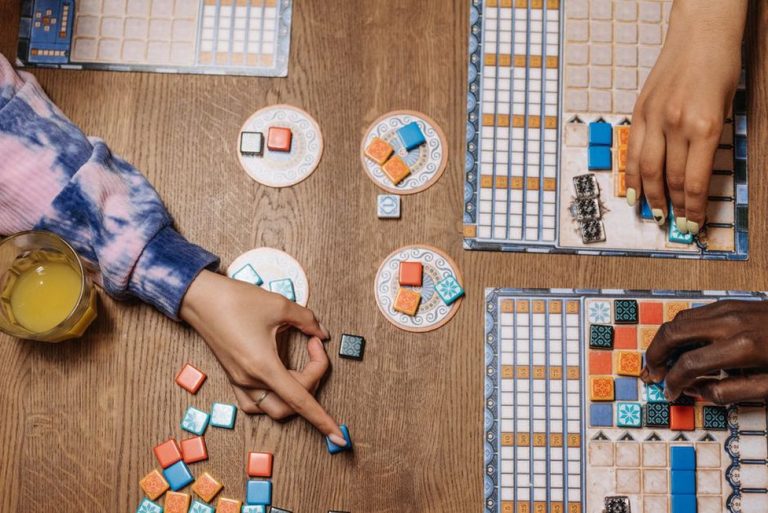
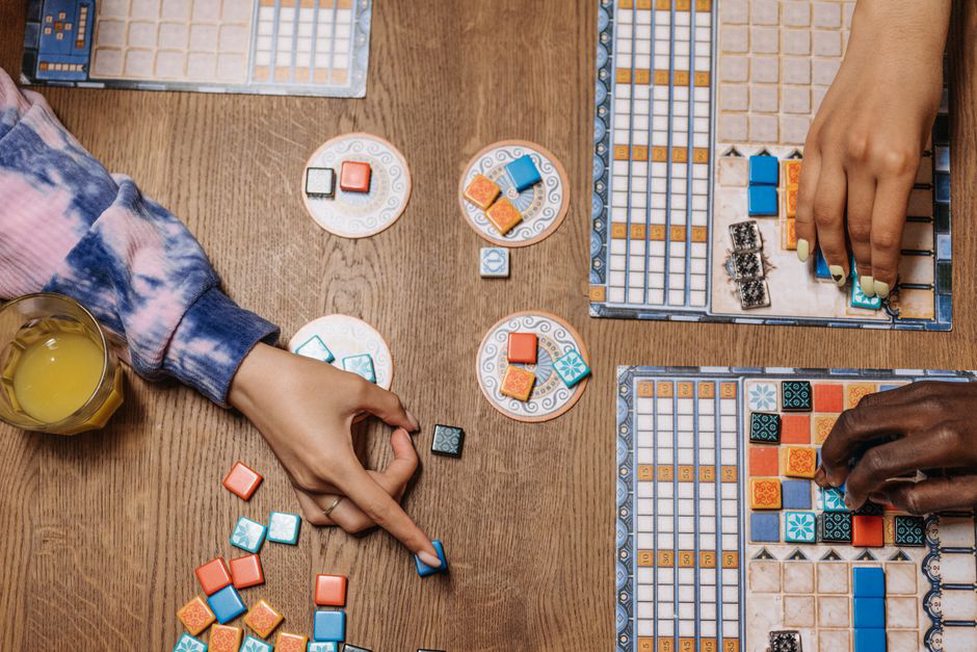
Choose your games before settling on a guest list. A four-player game leaves two people watching if six show up, and a long strategy game can be hard to teach once everyone has arrived. For a first game night, two short games you can explain easily—and enough guests to play them—are plenty.
Give the food a little thought, too, especially if you or a guest follows a paleo-style or elimination diet. A simple spread with recognizable ingredients is more useful than an elaborate menu that keeps you in the kitchen. People should be able to play, eat and take breaks without having to explain what is on their plate.
Set a comfortable scope
Four to six guests is manageable for many first-time hosts, as long as the games suit that number and the room has space for everyone. If a game has a strict player limit, decide beforehand whether you can set up a second table. If not, pick another game.
Include a start time, an approximate finish time and a rough plan in the invitation: “Come by at 7; we’ll start a short game around 7:30 and finish by 10.” Say whether you are serving dinner or just snacks. You can let guests know they need not bring a game, while still welcoming suggestions if you want them.
Ask privately about allergies and dietary needs early enough to plan. Someone may avoid a food for medical, religious or personal reasons; they do not owe you an explanation. If you cannot confidently accommodate a serious allergy, be upfront about it. Leaving an ingredient out of one dish does not necessarily make it safe.
Pick games that are easy to enter
For a casual evening, look for games you can explain in a few minutes and stop at a clear point. Check player counts, estimated play times and table-space needs. If a game is new to you, read the rules and try a practice round before guests arrive. Nobody wants to wait while the host works through an unfamiliar rulebook.
Prepare a small lineup, not a schedule
- Start with a low-pressure option: A cooperative, word or simple card game lets people settle in without committing to a long session.
- Keep one alternative: Pick a game with a different pace in case the first one falls flat or someone would rather not play it.
- Let people opt out: A conversation break is fine. Do not make an unwilling guest feel obliged to join the next round.
Teach what players need for their first turn, then cover unusual situations when they come up. A sample turn is often clearer than reading every rule aloud. Leave the instructions nearby so no one has to rely on your memory.
Make food easy to choose and easy to handle
Finger foods sound convenient until greasy hands reach for the cards. Set out napkins and small plates, and keep drinks away from the games. Put a few snacks within reach; leave sauces and crumbly foods on a separate surface. You can refill a small bowl instead of crowding the table.
There is no need to make everyone eat according to a paleo or elimination-diet template. Plainly prepared choices give guests more control: cut fruit, vegetables, an unsauced protein if you are serving one, and a dip or dressing on the side. Packaged snacks can help, too, but check the ingredients rather than assuming a “paleo” label matches someone’s needs. For more ideas, see the blog’s guide to paleo snacks for sensitive digestion.
Keep ingredient information available
Small labels can identify dishes and their main ingredients, including sauces or toppings that are easy to miss. Keep store-bought packaging so guests can check it themselves, and give each dish its own serving utensil. Do not promise that a homemade dish is free of an allergen if ingredients or preparation surfaces may have introduced it.
If a guest follows an elimination diet, leave food reintroductions out of the evening’s plans. Those plans are individual, and social pressure can make it harder for someone to judge how a food suits them. Offer choices without calling them a cure, safe for everyone or a way to prevent digestive symptoms.
A game-night menu is no substitute for medical care. Discuss persistent symptoms and significant dietary changes with a doctor, especially before cutting out more foods.
Prepare the room for people, not just the game
Clear enough table space for the largest game you might play, with room for everyone’s pieces. Check that guests can reach the board and read their cards. If overhead lighting leaves the table dim, add a lamp and move it if it causes glare. Set out extra chairs before people arrive.
Show guests where to leave their coats and where to find water and the bathroom. A water pitcher or designated drinks area keeps people from reaching across a crowded game table. If you live with others or have close neighbors, agree on an end time. Keep any music quiet enough for conversation—or skip it.
Give the evening a gentle rhythm
Let guests arrive, get a drink and settle in before you teach the first game. If someone is late, start with a game they can join next round rather than making everyone wait. Pause between rounds for food, conversation and a bathroom break. That also gives people a chance to switch games or sit one out.
You do not have to referee every decision. When players disagree about a minor rule, check the instructions and make a reasonable call so play can continue. Notice when the group is ready to move on: side conversations grow, people ask how much longer the round will take, or someone has gone a while without a turn. Stopping after the current round is fine, even if the game is not finished.
Plan for the person who has never played, not just the guests who know the rules. Seat them where they can see a sample turn, keep your explanation brief and resist coaching every move. Before play starts, put a clean utensil in each dish. It is a small job at 6:50 and a distraction when everyone is waiting for their first turn.