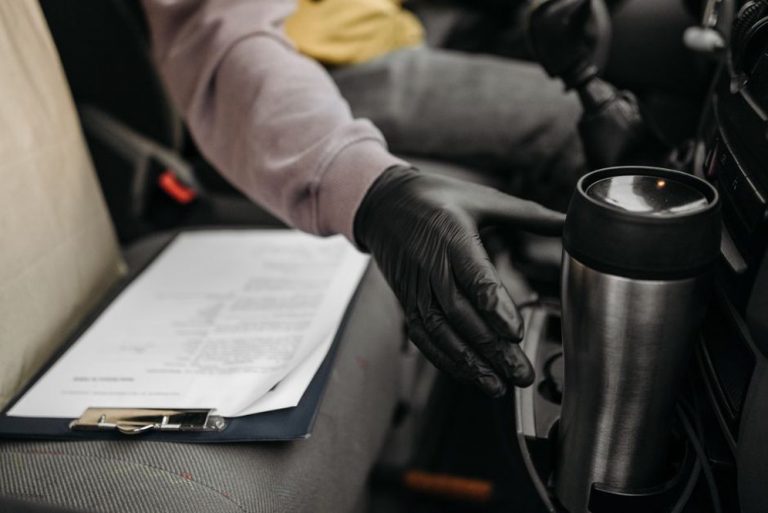
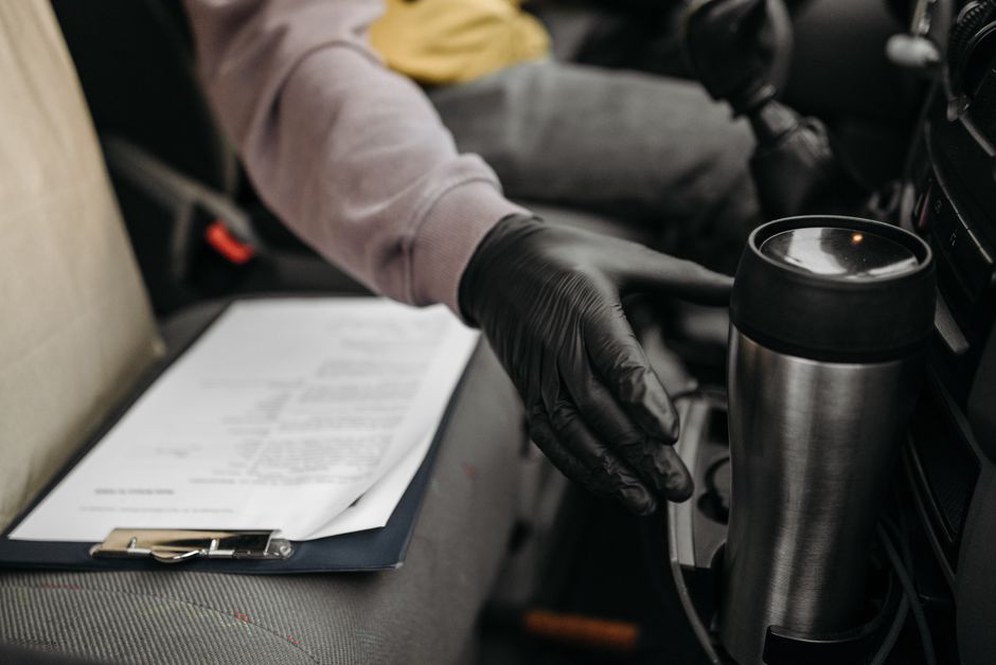
That receipt on the passenger seat is easy to overlook. A few trips later, it has company: empty bottles, a damp umbrella, and the bag you meant to take inside. Give each trip a short ending. Take out what you brought, put shared items back where they belong, and check the floor before you shut the door.
Give everyday items a defined place
Start with what needs to stay in the car. Keep registration and insurance documents, where applicable, in one easy-to-find spot. The manual, roadside information, and any parking permit should be accessible without unpacking a bag. Avoid leaving valuables or unnecessary sensitive documents in the vehicle, especially if it is parked outside.
Choose a few storage zones instead of filling every compartment. The console can hold things you use often, a door pocket can hold a compact umbrella, and a secured trunk container can hold less-used supplies. Leave cupholders free for drinks. Once every surface becomes storage, finding something takes longer and spills are easier to miss.
Before buying an organizer, empty the glove compartment, console, and trunk. Sort everything into three groups: keep in the car, take elsewhere, and rubbish or recycling. Check use-by dates on any products, and dispose of unwanted batteries or fluids according to local guidance. Measure the available space before adding a container, too. It should not block a seat latch, the spare tire, or your rear view.
Build a two-minute exit routine
Clutter arrives one trip at a time, so a brief reset is usually easier than a major cleanout. Before leaving the car, collect food packaging, cups, jackets, shopping bags, and paperwork you brought along. If your hands are full, make a second trip rather than leaving things on a seat for later.
A small reusable rubbish bag can collect waste during a drive. Keep it within reach but clear of pedals and seat controls, and empty it often. Do not leave food scraps, wet wipes, or anything that could leak inside it. If passengers ride in the back, ask them to check the seat and footwell for their belongings before they get out.
Use natural stopping points
Link the reset to things you already do. Remove receipts when you put away fuel or charging records. Carry empty bottles inside with the groceries. Shake dirt from floor mats when you wash the car, before grit builds up beneath them. None of these jobs needs a separate cleaning day.
Keep food and drink from becoming car clutter
Crumbs, spills, and forgotten containers can leave odors or attract pests. If you eat on a trip, use a container that closes securely and keep a napkin or cloth handy for small messes. Take wrappers and leftovers out at the end of the drive. A parked car is not pantry or refrigerator storage: inside temperatures can change substantially, and perishable food should not be left there for later.
If you plan meals around dietary restrictions, a dedicated food bag can keep a prepared meal separate from loose items and make unloading easier. Bring the bag inside with you. If you are changing your diet or have persistent digestive symptoms, discuss both with a doctor; a tidier travel routine is not a substitute for medical care.
Prevent papers and small objects from spreading
Receipts, parking tickets, and appointment slips often end up in door pockets because there is no plan for them. Keep one thin envelope or folder for papers that need to come home. Empty it on a set day each week: file what matters, record expenses you track, and recycle the rest. Store documents you may need while driving separately.
Small objects need homes as well. Put coins in one closed compartment and loosely coil charging cables in a pouch. Keep the dashboard and rear shelf clear; even a light item can slide, block your view, or distract you when you brake.
Organize the trunk for the trips you actually make
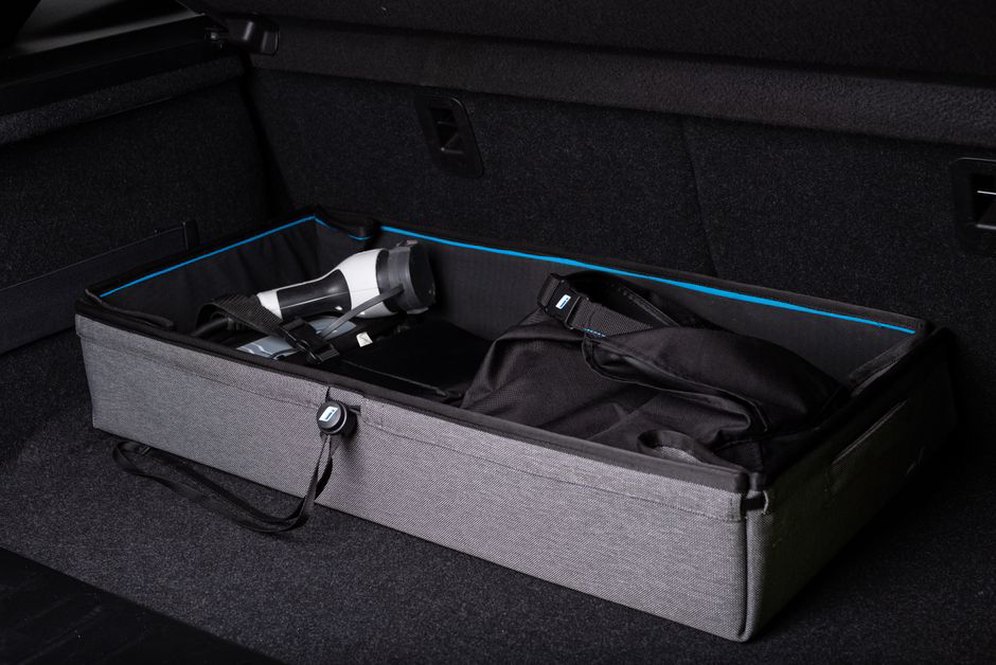
The trunk need not be empty, but everything in it should have a reason to be there. Put routine supplies in a low, stable container or another storage area that can be secured. Keep frequently used items easy to reach without shifting everything else, and check that you can access the spare tire or repair kit if your vehicle has one.
Fold a few shopping bags together so they are ready for the next shop, and take extras indoors. After sports, the beach, or another messy outing, remove damp towels and equipment promptly rather than leaving them in a closed car. A small bag can contain muddy shoes on the drive home, but empty it afterward.
Follow the vehicle manual for load limits and cargo guidance. Secure heavy objects so they cannot shift; an organizer does not replace proper restraint. Keep the driver’s footwell clear at all times. A bottle or tool near the pedals is a safety issue, not just clutter.
Match the routine to your passengers
Children, pets, and frequent passengers affect what needs a place. A rear-seat pocket can hold a few travel items, but do not overfill it or leave hard, heavy objects loose. Check beneath seats after each trip for dropped toys, snacks, and bottles. Follow the instructions for child restraints and vehicle seats, and make sure storage accessories do not interfere with restraint fit or installation.
For pet trips, choose one washable spot for supplies such as a lead and towel, and clean it when you clean the pet area. Restrain pets appropriately during travel, and keep their supplies from rolling around. If another adult regularly uses the car, agree on a few shared locations so a tidy-up does not hide anyone’s essentials.
Do a weekly check before the mess grows
Once a week, open each door, look under the seats, and check the trunk corners. Remove rubbish, return misplaced items, and wipe fresh spills according to the surface material and vehicle-care instructions. If a damp smell persists, check for wet mats or leaks rather than covering it with fragrance.
Once a month, reconsider what has earned its space. A supply that has gone unused through several ordinary trips may belong at home. Keep emergency equipment appropriate to your vehicle, climate, and local requirements, and know how to reach it. When you next park at home, start with one minute: clear the passenger seat and both front footwells before unloading the rest.