Understanding the AIP Framework
The Autoimmune Protocol (AIP) diet is a specialized version of the Paleo diet designed to help reduce inflammation and support gut health. It does this by eliminating foods that might trigger autoimmune responses. The focus is on nutrient-rich, whole foods while avoiding ingredients like grains, dairy, legumes, nightshades, and processed foods. Having an AIP-friendly pantry is essential for maintaining consistency and simplifying meal preparation.
Must-Have Ingredients for an AIP Pantry
Keeping your pantry stocked with AIP-compliant ingredients ensures you're prepared when hunger strikes. Consider including these key items:
- Herbs and Spices: Enhance flavors with herbs like basil, rosemary, and thyme, avoiding nightshades such as paprika or chili powder.
- Coconut Products: Coconut oil, coconut milk, and shredded coconut are versatile and provide healthy fats.
- Bone Broth: Packed with collagen and amino acids, bone broth supports gut health. You can make your own or choose a quality store-bought option.
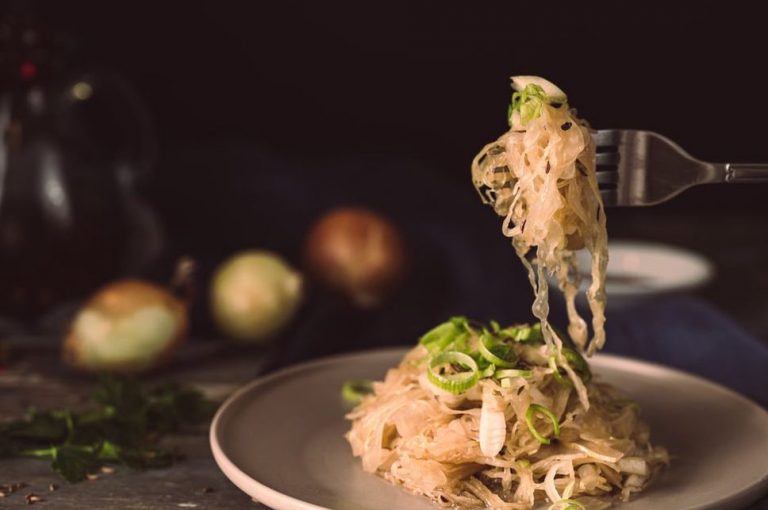
- Fermented Foods: Sauerkraut and kimchi (without nightshades) can boost gut microbiota.
- Plantains and Sweet Potatoes: These starchy vegetables are excellent sources of carbohydrates.
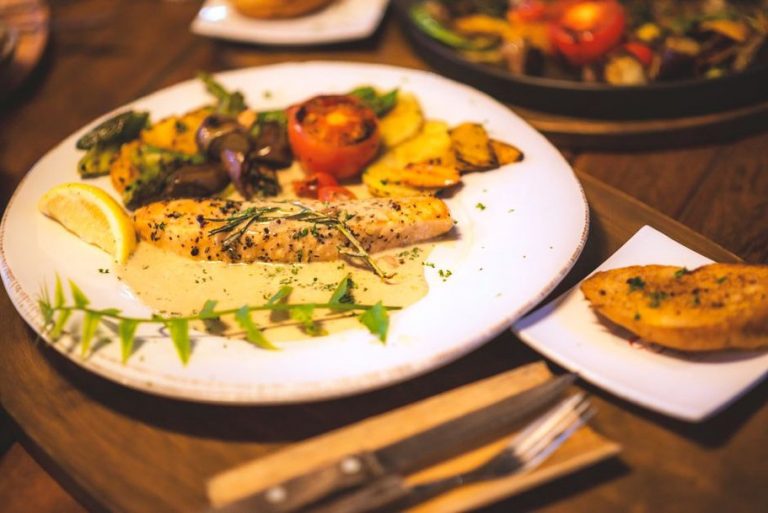
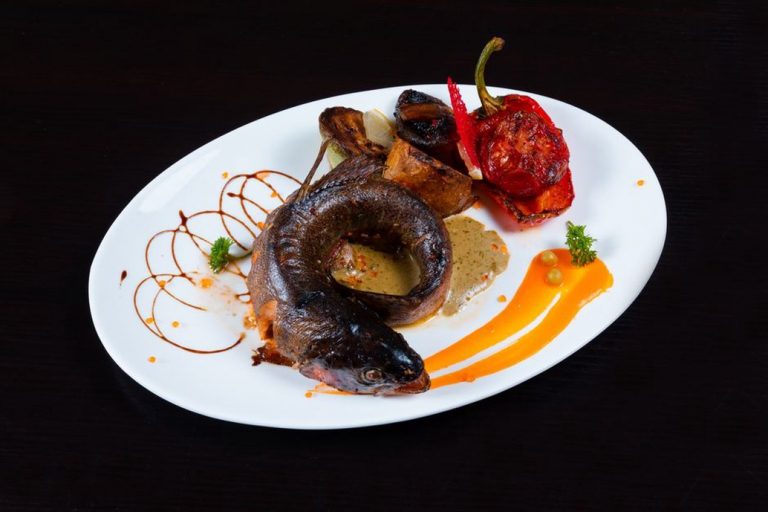
- Fish and Seafood: Choose wild-caught fish rich in omega-3 fatty acids to help reduce inflammation. For more on this, explore The Role of Omega-3 Fatty Acids in the Paleo Diet.
Practical Tips for Organizing Your Pantry
An organized pantry can save time and reduce stress during meal prep. Here are some tips to help:
- Label Containers: Clearly labeled containers make it easy to find ingredients and avoid accidental non-compliant choices.
- Group Similar Items: Categorize items like spices, canned goods, and dry ingredients to streamline cooking.
- Use Transparent Storage: See-through containers help you quickly check stock levels and plan your shopping trips.
- Maintain a Shopping List: Regularly update your shopping list to keep key ingredients in stock.
Dealing with Common AIP Challenges
Switching to an AIP diet can be tough, especially when cravings hit or you're tempted to fall back into old habits. Here are some strategies to help you stay on track:
Handling Cravings: Look for AIP-compliant substitutes for your favorite non-compliant foods. If you miss chocolate, for instance, try using carob powder as an alternative.
Eating Out: Dining out can be challenging, but with careful menu choices and clear communication with restaurant staff, it can be managed. For additional tips, refer to our guide on Four Months Back on the Wagon: Lessons from a Paleo Reset.
Monitoring Your Progress
Keeping a food and symptom journal is a great way to track how your body responds to the AIP diet. This can help identify potential food sensitivities and guide reintroduction phases.
Document Symptoms: Record any changes in symptoms, energy levels, and mood. This information can reveal foods that might need to be permanently excluded.
Evaluate Nutrient Intake: Regularly check if you're meeting your nutritional needs, focusing on nutrient density and variety.
Conclusion: Building a Sustainable AIP Lifestyle
Creating an AIP-friendly pantry involves more than just stocking the right ingredients; it’s about cultivating a lifestyle that supports health and wellness. By organizing your pantry, practicing mindful eating, and continually assessing the dietary impacts, you can effectively support your health on the AIP diet. Each small step in maintaining an AIP-compliant pantry contributes to a healthier, more balanced life.