
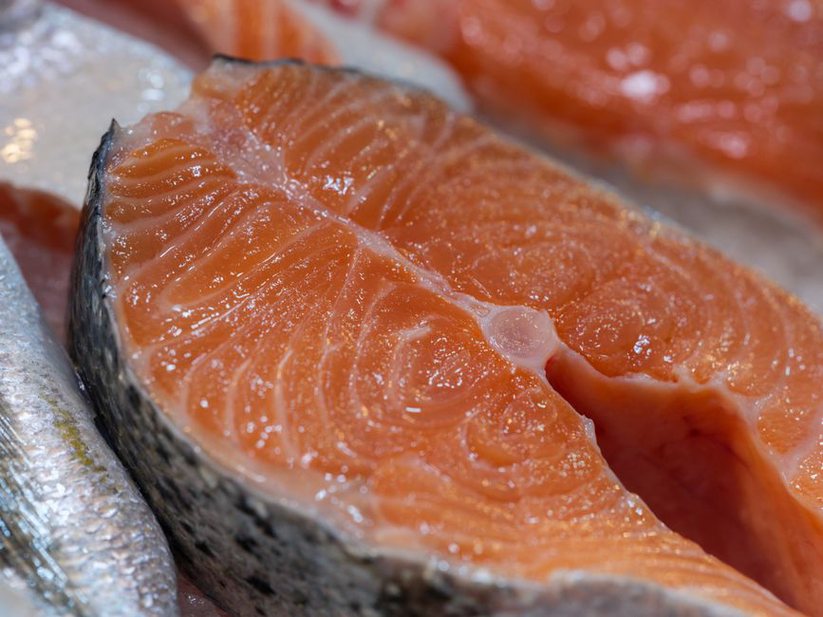
Omega-3 fatty acids are vital for maintaining good health and are a key component of the Paleo diet. These beneficial fats, found in fish and some nuts and seeds, are renowned for their anti-inflammatory effects and their role in supporting heart and brain health. The Paleo diet's focus on natural, unprocessed foods makes it an excellent source of omega-3s, contrasting with other diets that may include processed foods high in unhealthy fats.
Understanding Omega-3 Fatty Acids
Omega-3 fatty acids are essential polyunsaturated fats that help maintain cellular structure and function. The three most important types are Alpha-linolenic acid (ALA), Eicosapentaenoic acid (EPA), and Docosahexaenoic acid (DHA). ALA is mostly found in plant oils, while EPA and DHA are abundant in fish and seafood.
Why Omega-3s Matter in a Paleo Context
By focusing on nutrient-rich foods, the Paleo diet naturally increases the intake of omega-3s. These fatty acids are crucial for reducing inflammation, which is often a concern for those with autoimmune conditions, and they support heart health. Omega-3s also help maintain a balanced ratio of omega-6 to omega-3, which is important for minimizing chronic inflammation and enhancing overall well-being.
Key Sources of Omega-3s in a Paleo Diet
Adding omega-3-rich foods to a Paleo diet is easy, thanks to the variety of available options:
- Cold-water fish: Salmon, mackerel, sardines, and anchovies are rich in EPA and DHA.
- Grass-fed meat: Beef and lamb that have been grass-fed contain more omega-3s than grain-fed meat.
- Nuts and seeds: Walnuts and flaxseeds are good sources of ALA, which the body can partially convert to EPA and DHA.
- Algae: Algae supplements provide a plant-based source of DHA, ideal for those avoiding animal products.
Balancing Omega-6 and Omega-3 Ratios
Modern diets often lead to an imbalance between omega-6 and omega-3 fatty acids, which can increase inflammation. The Paleo diet helps correct this by focusing on whole foods and avoiding processed oils high in omega-6. By emphasizing omega-3-rich foods and reducing omega-6 intake, better health outcomes can be achieved.

Practical Tips for Increasing Omega-3 Intake
Boosting omega-3 intake in your Paleo diet can be done with some simple strategies:
- Plan your meals: Include fish in your meals at least twice a week. For meal prep ideas, check out The Benefits of Batch Cooking in a Paleo Diet.
- Snack wisely: Choose nuts and seeds as snacks. For portable options, see our post on On-the-Go Snacking: A Paleo and AIP Approach.
- Choose quality meat: Opt for grass-fed and pasture-raised meats for higher omega-3 content.
- Consider supplements: If fresh fish isn't accessible, consider high-quality fish oil or algae supplements, but consult a healthcare professional first.
Omega-3s and Digestive Health
Omega-3 fatty acids are linked to better gut health. They support a healthy gut microbiome and may ease digestive discomfort. Their anti-inflammatory properties are especially beneficial for sensitive digestive systems.
If you're dealing with digestive issues, understanding how your diet affects gut health is crucial. Our article on Boost Your Gut Health with Probiotic Foods offers additional ways to support your digestive system.
Incorporating omega-3s into a Paleo diet not only enhances overall health but also aligns with the diet's core principle of eating nutrient-dense, whole foods. By selecting natural sources of these essential fatty acids, you can enjoy their health benefits while staying true to the Paleo lifestyle.