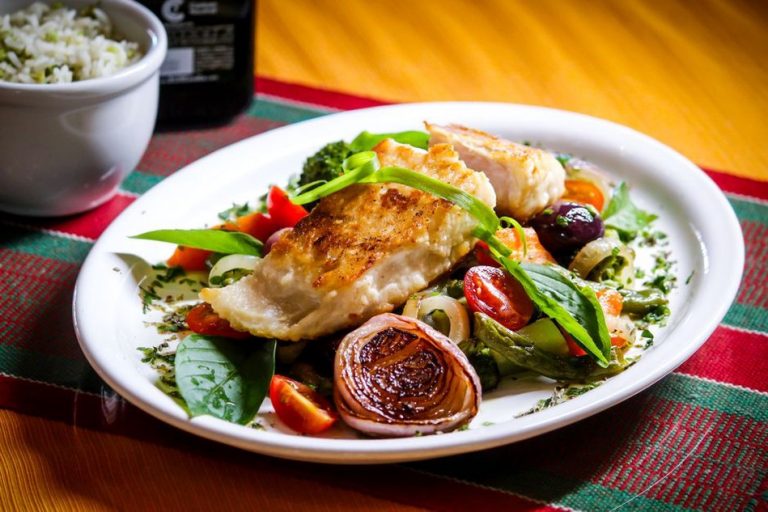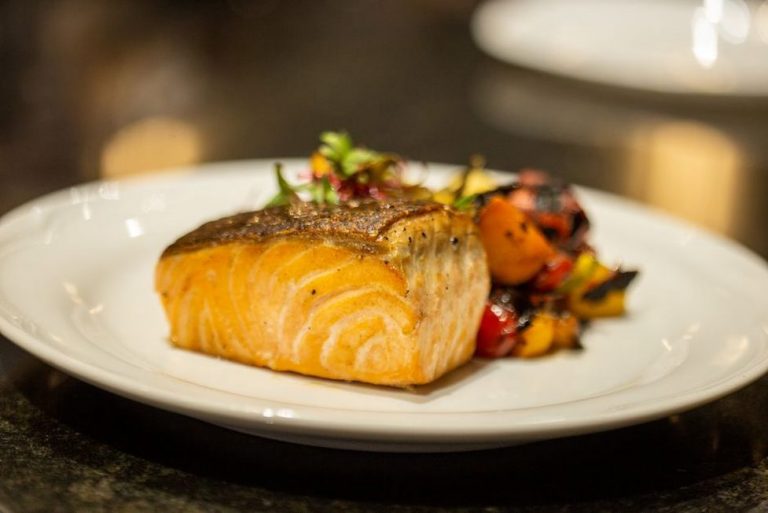
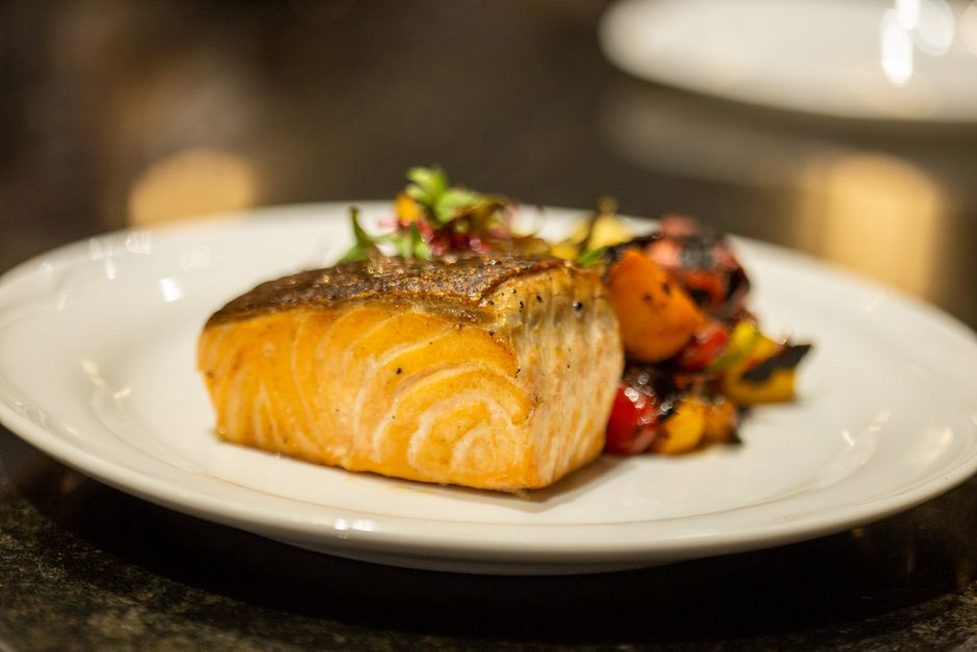
A salmon dinner and a handful of walnuts both contain omega-3 fats, but they offer different forms. Salmon supplies EPA and DHA, which the body can use directly. Walnuts supply mostly ALA, and the body converts only a limited amount of it to EPA and DHA. That difference is useful to know when choosing paleo foods with inflammation in mind.
What omega-3s do in an inflammatory response
Inflammation helps the body respond to injury and infection; the goal is not to switch it off. The immune system produces signals that coordinate the response and, later, help it resolve. EPA and DHA become part of cell membranes and provide starting materials for some of those signaling compounds, including ones involved in resolving inflammation.
Omega-6 fats play a part in signaling too. They are essential nutrients, not inherently harmful; their effects depend on the fatty acid and the circumstances. Switching from a highly processed diet to paleo meals may change the mix of fats you eat, but no single omega-6-to-omega-3 ratio can tell you whether your immune system is working well. A more useful check is whether your regular meals include EPA and DHA sources alongside enough food, a variety of plants, and other nutrients.
Studies of omega-3s and inflammatory markers give us reason to pay attention, not a promise of symptom relief. Results vary with the people studied, what researchers measure, and the amount and form of omega-3 consumed. A change in a blood marker does not necessarily mean someone feels better or that an autoimmune, intestinal, or other chronic condition has improved. Food choices can support nutrition, but they do not replace medical care.
Finding omega-3s in paleo foods
EPA and DHA: prioritize seafood you enjoy
Salmon, sardines, trout, herring, and mackerel are practical sources of EPA and DHA. Anchovies can add some to a meal in smaller portions. Fresh, frozen, and canned fish all count. The option that fits your budget and schedule is often the one you will eat regularly; sardines with roasted vegetables are just as much a paleo meal component as a freshly cooked fillet.
Mercury exposure varies by fish. Salmon, sardines, and trout are generally lower-mercury choices than large predatory fish such as swordfish or king mackerel. If you are pregnant, may become pregnant, or are feeding a child, check current local seafood guidance: species names and recommendations differ by region. Cook fish safely and follow storage directions for canned or refrigerated products.
ALA: useful, but not an equal substitute
Walnuts, chia seeds, flaxseeds, and their oils contain ALA. Seeds may or may not fit your version of paleo; a strict autoimmune protocol elimination phase, for example, commonly excludes nuts and seeds. ALA has nutritional value, but conversion to EPA and DHA is small and varies between people. If you do not eat seafood, walnuts cannot reliably provide the EPA and DHA you would get from a fish meal.
Grass-fed meat and pasture-raised eggs may contribute some omega-3s, though amounts vary and are generally modest compared with oily fish. Those labels alone are no reason to assume a fish-free menu supplies plenty of EPA and DHA.
A realistic way to use omega-3 foods
A repeatable meal pattern matters more than a perfect fatty-acid calculation. If you eat fish, a few practical choices can help:
- Keep an easy option available. Shelf-stable canned salmon or sardines can become lunch with leftover vegetables and fruit.
- Choose a preparation you tolerate. Baked trout, a salmon patty, or a mild fish soup may appeal more than strongly flavored canned fish.
- Check the package. If you avoid certain sauces, spices, or oils, read the ingredients. A plain tin gives you more control over the meal.
- Vary the species. Rotation adds variety and helps you avoid relying on one fish, particularly a higher-mercury choice.
Fish need not crowd out vegetables, starchy foods that work for you, or enough food overall. An overly narrow paleo menu can make eating harder without a clear benefit for inflammation. If seafood is unavailable or you avoid it because of an allergy, talk with a clinician or registered dietitian about meeting your nutritional needs rather than counting on plant ALA as a replacement.
Keep digestion and evidence in perspective
A fish meal's omega-3 content will not tell you how comfortable it will feel. Some people may find a large, high-fat serving uncomfortable but do better with a smaller serving and familiar sides. Sauces, garlic, onions, and meal size may also play a role. If symptoms follow seafood, note the species, preparation, accompanying foods, timing, and symptoms before assuming the omega-3 fat is responsible. Hives, swelling, wheezing, or breathing difficulty after fish require urgent medical attention.
Discuss persistent bloating, pain, diarrhea, or other ongoing symptoms with a doctor. Talk with your doctor before making substantial dietary changes, especially if you follow an elimination protocol or manage a diagnosed condition. Paleo eating and omega-3-rich meals are not treatments or substitutes for evaluation. Supplements are a separate decision: concentrated products should not be assumed to work like eating fish, and individual medical factors can affect whether they are appropriate.
For a low-effort meal, try canned salmon with cooked potatoes or another starch you already tolerate, familiar vegetables, and a dressing made from ingredients you know suit you. If it feels comfortable, keep it in rotation. If not, record what went into it before changing several foods at once.