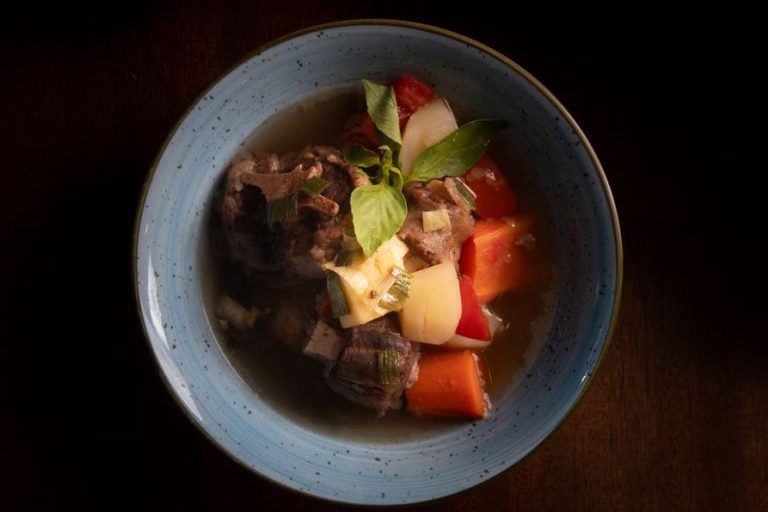
Freshly cooked chicken and vegetables may sit well, while the same meal eaten as leftovers two days later seems to coincide with flushing or a headache. That difference is worth recording, but it is not a diagnosis. Ingredients, portion size, freshness and storage time can all change between meals, even when both count as paleo.
Histamine intolerance is a term used for symptoms thought to arise when the body cannot handle the amount of histamine present. Histamine is a normal chemical involved in immune signaling and other processes, and it is also found in some foods. The proposed mechanisms, diagnostic criteria and best tests remain unsettled. Looking closely at patterns can help you explain your symptoms to a clinician without turning a long list of foods into permanent restrictions.
Why paleo meals can complicate the picture
Paleo meals often center on meat, fish, vegetables, fruit and home cooking. They may also feature canned fish, smoked meat, fermented vegetables, vinegar-based dressings or long-simmered broth—foods that sometimes come up in discussions of histamine. None is automatically a problem. What matters is whether symptoms repeatedly follow a particular food or handling pattern when other circumstances are similar.
Microbial activity can cause histamine to accumulate in certain foods, particularly during aging, fermentation or improper storage. Cooking does not reliably remove histamine once it has formed. Because amounts vary with processing and handling, a chart that labels every serving of a food either 'high' or 'low' cannot predict how you will respond. Meals made with freshly prepared ingredients may be easier to compare than meals with uncertain storage histories.
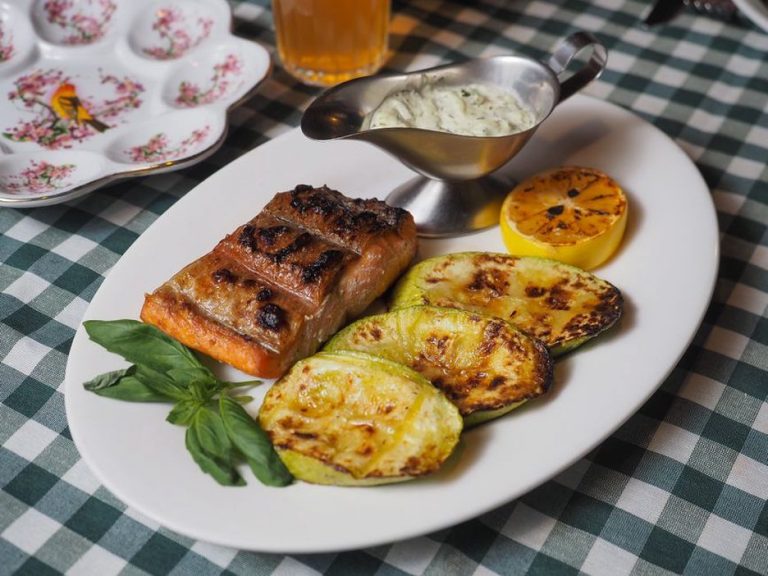
Suppose grilled fish eaten soon after cooking feels different from canned fish. That does not prove fish itself is the trigger: the species, processing, freshness, portion and rest of the meal may all differ. Likewise, symptoms after a mug of broth do not establish that its histamine content was responsible. For a closer look at broth's nutritional uses and limits, see Bone Broth on a Paleo Diet: Uses, Nutrition, and Limits.
What a possible histamine-related pattern looks like
Complaints attributed to histamine are not limited to the gut. People report flushing, warmth, itching, hives, a runny or stuffy nose, headache, nausea, abdominal discomfort or loose stools, sometimes in combination. Any one of these symptoms can have other causes; headaches and bloating are especially common examples. Timing varies, too. No set number of minutes after eating confirms histamine intolerance.
Look for a repeatable cluster, not one striking reaction. Does a similar combination of symptoms follow several meals with fermented foods or stored protein? Are comparable meals made with freshly cooked ingredients less troublesome? Does the pattern hold when you account for meal size, alcohol, sleep and other likely influences? These observations can help a clinician, but they cannot establish a diagnosis on their own.
Allergies, infections, medication use, hormonal changes, stress and alcohol may also affect symptoms. Some people call this a 'bucket' effect: several factors seem to coincide before symptoms appear. It is a metaphor, not a measurable histamine threshold. Record those factors rather than assuming they add up in a predictable way.
When it may be something else
Food allergy, reactions to preservatives, migraine, reflux and several gastrointestinal conditions can overlap with symptoms attributed to histamine. Fermented vegetables bring acidity, fiber and other fermentation products as well; bloating after a large serving of sauerkraut does not isolate histamine as the cause. A rich restaurant meal may differ from a home meal in fat, spice, alcohol and portion size.
Discuss persistent or recurrent symptoms with a doctor, especially if they are changing, affecting daily life or leading you to remove multiple foods. Seek urgent medical care for breathing difficulty, throat or tongue swelling, faintness, or rapidly progressing symptoms after eating. Suspecting histamine should never delay evaluation of a possible serious allergic reaction.
A food diary that captures the useful details
A short diary can help separate a plausible pattern from a memorable coincidence. Keep your diet reasonably varied while you observe, unless a clinician has advised otherwise. You need enough detail to compare meals, not a full-time record-keeping project.
- Food and amount: Note the main ingredients and approximate serving size, including sauces, vinegar, ferments and drinks.
- Handling: Record whether meat or fish was freshly cooked, canned, smoked, fermented or eaten as leftovers, and roughly how long it was stored.
- Timing and symptoms: Note when the meal ended, when symptoms began, what they felt like and how long they lasted.
- Other factors: Include relevant medication changes, illness, alcohol, poor sleep or unusual exertion.
- Ordinary comparison meals: Record meals with no noticeable problems, too; otherwise the diary can overrepresent difficult days.
After a week or two, look for repeated contrasts instead of treating every symptom as a food reaction. If three lunches differ in ingredients, storage time and serving size, they cannot show you which difference mattered. The diary also gives a doctor or dietitian something more specific to work with than 'paleo foods make me feel worse.'

How to explore a pattern without over-restricting
If your diary repeatedly points toward fermented or long-stored foods, discuss any elimination plan with your doctor or a registered dietitian. There is no universally validated low-histamine food list. Broad avoidance can make an already restricted paleo diet unnecessarily narrow; a defined trial should help answer a question, not produce more forbidden foods.
- Choose one clear question. For example, do symptoms change when you replace fermented toppings and canned fish with otherwise similar freshly prepared options? Try not to change meal timing, overall calories and several food groups at once.
- Set a limited observation period with professional guidance. Keep meals nutritionally adequate and track symptom frequency and severity with the same simple scale throughout. If symptoms do not change meaningfully, that result matters.
- Plan a careful return to your usual foods. If symptoms improved, reintroducing a suspected food under guidance may help you see whether the change is reproducible. Avoid combining several suspected items in one meal. Never deliberately re-expose yourself to a food that caused a severe or potentially allergic reaction.
Paleo and autoimmune protocol approaches already exclude some foods. Adding an extensive second list may leave too little variety. Meals still need enough energy, protein and fats, along with a range of tolerated plants. If a trial leaves you eating only a handful of ingredients or feeling anxious about ordinary meals, tell your clinician or dietitian before restricting further.
Handle perishables safely, not fearfully
Freshness is useful to track, but food safety comes first. Refrigerate perishables promptly, follow local storage guidance and discard food stored unsafely. Freezing portions soon after cooking can make them easier to compare with older refrigerated leftovers, though it cannot undo histamine already present. Not every leftover is harmful, and careful storage cannot guarantee a symptom-free meal.
What testing can—and cannot—settle
No single widely accepted blood test or symptom checklist confirms histamine intolerance. Histamine levels in foods vary, and symptoms depend on more than dietary histamine. Tests discussed online, including measurements related to diamine oxidase (DAO), cannot by themselves show whether a particular meal caused a reaction.
A clinician can review your symptom history and decide whether established conditions, including food allergy, need investigation. That matters especially with hives, swelling, wheezing or repeated vomiting. If you have them, bring your diary, a medication list and clear photos of visible symptoms to the appointment. Those details are more useful than a long list of foods you have already stopped eating.
For your next diary entry, compare two ordinary lunches as closely as you can. Note whether the protein was cooked that day or stored, which vegetables and condiments were served, and when any symptoms appeared. Bring that record to your doctor before making lasting changes to your diet, particularly if symptoms persist.