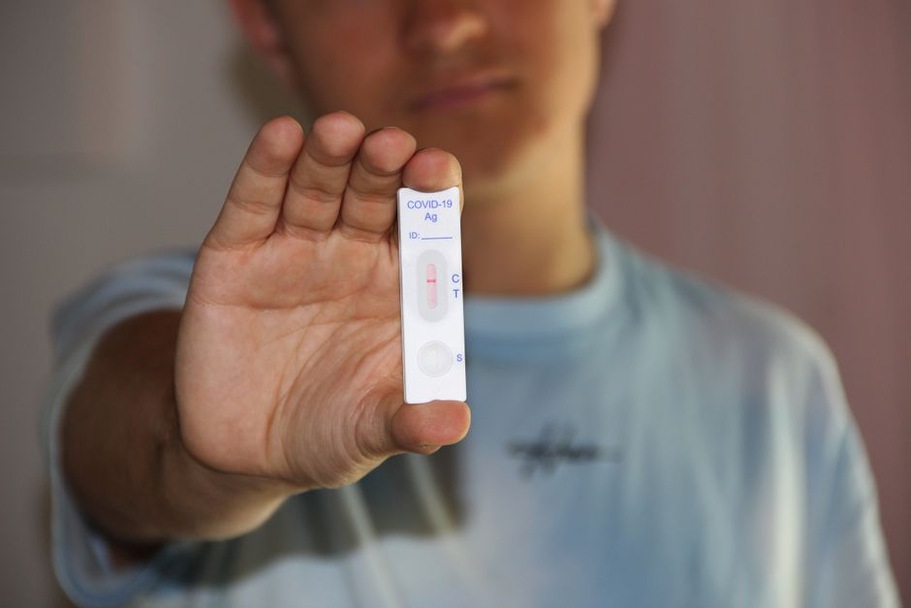
In early 2014, I spent three months convinced that my bloating, brain fog, and irregular digestion were caused by Small Intestinal Bacterial Overgrowth (SIBO). I'd read every blog post, listened to every podcast, and bought a breath test kit from a US lab that promised to confirm my suspicions. The results came back positive for hydrogen-dominant SIBO, and I felt relief — finally, a label for the misery. But as I began to dig deeper into the research and my own symptom logs, the hypothesis started to crack.
The breath test showed hydrogen levels that peaked at 28 ppm above baseline within 90 minutes of drinking a lactulose solution. According to the 2009 North American Consensus guidelines I had printed out, that qualified as a positive result. But when I looked at my actual daily symptom diary — the one I'd been keeping since February — the correlation between my bloating episodes and the supposed SIBO pattern was weak at best. My worst bloating came after meals that were low in fermentable carbohydrates, and my symptoms often appeared six to eight hours after eating, not within the 90-minute window the test measured.
The Breath Test Problem
Breath tests for SIBO measure hydrogen and methane gas produced by bacteria in the small intestine after ingesting a substrate like lactulose or glucose. The assumption is that early peaks indicate bacterial overgrowth in the small bowel, while later peaks reflect colonic fermentation. But the test has well-documented limitations that I overlooked in my eagerness for answers.
- Variability in intestinal transit time: Some people empty their stomach and small intestine quickly, causing the substrate to reach the colon sooner. An early peak may be colonic, not small intestinal.
- Oral bacteria interference: Bacteria in the mouth can ferment the substrate before it even reaches the stomach, producing false early hydrogen spikes. A proper mouthwash protocol before the test reduces but does not eliminate this.
- Lactulose vs. glucose: Lactulose is not absorbed by humans and reaches the colon intact, where it reliably produces gas. This makes it sensitive for detecting SIBO but also prone to false positives in people with rapid transit. Glucose is more specific because it is absorbed in the proximal small intestine, but it misses distal SIBO.
- Methane and hydrogen sulfide: Standard tests only measure hydrogen and methane. Hydrogen sulfide-producing bacteria, which can cause bloating and diarrhea, are not detected. I later learned that my sulfur sensitivity — which I had written about in an earlier post — could mimic SIBO symptoms without any overgrowth.
When I re-examined my test results with a gastroenterologist who specialized in functional gut disorders, she pointed out that my baseline hydrogen was already 16 ppm — above the typical fasting cutoff of 10 ppm. This suggested either incomplete carbohydrate restriction before the test or ongoing fermentation from a slow-transit colon. She recommended a glucose breath test instead. That test came back negative. My SIBO hypothesis was suddenly on shaky ground.
What Else Could Explain My Symptoms?
If SIBO was not the culprit, then what was? I spent the next month systematically ruling out other possibilities using my symptom diary and a structured elimination protocol. Here's what I found:
1. Meal Timing and Fermentation Windows
My bloating consistently peaked between 6 and 8 PM, regardless of what I ate for lunch. This pointed to a circadian pattern in gut motility, not bacterial overgrowth. Research on migrating motor complexes (MMCs) — the sweeping contractions that clear the small intestine between meals — shows that MMC activity is suppressed during eating and sleep, and peaks during fasting periods. If my MMCs were sluggish, food residue would linger in the small intestine longer, allowing any resident bacteria to ferment it. The solution was not antibiotics or herbal antimicrobials, but extending my overnight fast to 14 hours and avoiding snacking between meals.
2. Bile Flow and Fat Digestion
Fat malabsorption can cause bloating, loose stools, and right-upper-quadrant discomfort — symptoms I had attributed to SIBO. Bile acids emulsify fats and have antimicrobial properties in the small intestine. When bile flow is sluggish, both fat digestion and bacterial control suffer. I started including bitter greens (arugula, dandelion) before fatty meals and noticed a reduction in postprandial bloating within a week. This was not a SIBO treatment, but it addressed a root cause that the breath test could not capture.

3. Sulfur-Containing Foods and Hydrogen Sulfide
I had previously documented my sulfur sensitivity in a detailed post about broccoli and eggs. When I cross-referenced my symptom diary with sulfur intake, the correlation was striking: days with high sulfur foods (eggs, broccoli, cauliflower, garlic) were followed by bloating and fatigue the next day, regardless of meal timing. Hydrogen sulfide gas, produced by sulfur-reducing bacteria in the colon, can cause bloating even at low concentrations. Standard breath tests do not measure it, so my negative glucose test did not rule out a sulfur-driven issue. Reducing sulfur-rich foods for two weeks eliminated my bloating completely — something that six weeks of the SIBO-specific low-FODMAP diet had not achieved.
This realization led me to write about the lessons I learned from reader comments on sulfur sensitivity, where many people shared similar experiences of being misdiagnosed with SIBO when their real trigger was sulfur.
The Data-Driven Reintroduction Protocol
Once I stopped chasing the SIBO hypothesis, I shifted to a more structured approach: a 21-day elimination diet followed by systematic reintroduction of single foods. This is the protocol I now recommend to readers who suspect food sensitivities but feel overwhelmed by conflicting advice.
- Baseline: Eat a low-inflammatory elimination diet (meat, non-starchy vegetables, healthy fats, bone broth) for 21 days. Record daily symptom scores for bloating, stool consistency, energy, and brain fog.
- Single-food challenges: Introduce one new food every three days. Eat a normal portion on day one, then observe for 48 hours. Do not test a new food if symptoms from the previous test have not returned to baseline.
- Track patterns, not just reactions: Some foods cause immediate bloating (within 2 hours), while others cause delayed fatigue or stool changes (24–48 hours). Both are valid reactions, but they point to different mechanisms — histamine intolerance, FODMAP fermentation, fat malabsorption, or sulfur metabolism.
- Re-test after healing: Food sensitivities can be temporary. After three months of gut-supportive eating (adequate fiber from tolerated vegetables, fermented foods if tolerated, and stress management), re-testing foods that previously caused mild reactions may show tolerance.
What I Wish I Had Known in February 2014
Looking back, my obsession with the SIBO hypothesis delayed real progress by several months. The breath test gave me a label but not a solution. The herbal antimicrobial protocol I attempted (berberine, oregano oil, allicin) made my bloating worse, likely because it disrupted my colon bacteria without addressing the underlying motility or bile issues.
Here's what I'd tell my February 2014 self:
- A positive breath test does not prove SIBO is causing your symptoms. It only proves that fermentation is happening somewhere in your gut. The location and cause require clinical correlation.
- SIBO is often a symptom, not a root cause. Impaired motility, low stomach acid, bile insufficiency, and structural issues (adhesions, strictures) can all create conditions that allow bacteria to overgrow. Treating the overgrowth without addressing the underlying factor is like bailing water from a boat without plugging the hole.
- Your symptom diary is more reliable than any single test. If your bloating follows a pattern that does not match the SIBO profile (early peak after fermentable carbs), question the diagnosis.
- Sulfur sensitivity can mimic SIBO perfectly. If you have not ruled out sulfur, you have not ruled out the simplest explanation.
By May 2014, I had abandoned the SIBO hypothesis entirely. My bloating resolved not through antimicrobials or restrictive low-FODMAP diets, but through longer overnight fasts, bitter herbs before meals, and a targeted reduction of sulfur-rich foods. The breath test kit is still sitting in a drawer. I keep it as a reminder that a label is not a solution, and that the most useful diagnostic tool is often a pen, a notebook, and the willingness to question your own assumptions.