When we published the berry gelatin candy recipe back in May 2014, we expected a handful of thank-you notes and maybe a few questions about gelatin brands. Instead, the comment section exploded into a living laboratory of paleo digestive experimentation. Over one hundred readers shared their personal tweaks, symptom logs, and candid reports of what happened after they ate the candy. The thread became a goldmine of practical insights—far more valuable than the recipe itself. Here is what we learned from that conversation, organized by the themes that kept reappearing.
The Gelatin Question: Why Some People Bloat and Others Don't
The very first comment on the page came from a reader named Laura: “I made the candy exactly as written, but I felt uncomfortably full and gassy afterward. Could it be the gelatin?” That question launched a sub-thread of nearly thirty replies. Several readers reported similar bloating, while others said the candy was the only treat they could tolerate. The difference, it turned out, often came down to two variables: gelatin source and hydration method.
Gelatin is a protein derived from animal collagen. It is generally well-tolerated on paleo, but some commercial brands add fillers or are processed with acids that can irritate sensitive guts. Several commenters switched to grass-fed, pasture-raised gelatin and noticed less distension. Others found that blooming the gelatin in cold water for at least five minutes (instead of the standard two) reduced the “rubbery” texture that seemed to trigger bloating. One reader, a former chef, explained that under-hydrated gelatin can form clumps in the digestive tract, leading to gas. The thread taught us that even a simple ingredient like gelatin requires careful preparation for those with compromised digestion.
Berry Choices: Low-FODMAP vs. High-Histamine
The recipe called for mixed berries—strawberries, blueberries, raspberries. But commenters quickly pointed out that not all berries are created equal for sensitive guts. A reader named Mark wrote: “I used frozen raspberries and had terrible itching and flushing afterward. I later learned raspberries are high in histamine.” That observation opened a discussion about histamine intolerance, which many paleo followers had never considered. Several people shared that swapping raspberries for blueberries or blackberries eliminated their reactions. Others noted that strawberries, while low-FODMAP, contain salicylates that can trigger bloating in some individuals.
One commenter, who identified herself as a registered dietitian, compiled a small table in her reply—an impromptu guide that other readers copied into their own notes. She listed berry types, FODMAP content, histamine levels, and salicylate ratings. Her main takeaway: if you are doing an elimination diet, start with blueberries alone, then add one berry at a time every three days. That advice became a recurring mantra in later comments. The thread essentially crowdsourced a reintroduction protocol for berry candy.
Common Berry Reactions Reported in the Comments
- Blueberries: fewest complaints; tolerated by most readers, even those with SIBO or histamine issues.
- Raspberries: frequent reports of flushing, itching, and nasal congestion (histamine).
- Strawberries: bloating and abdominal pain for some (salicylate sensitivity).
- Blackberries: mixed; some tolerated well, others reported mild gas.
Sugar Substitutes: The Great Honey vs. Maple Syrup Debate
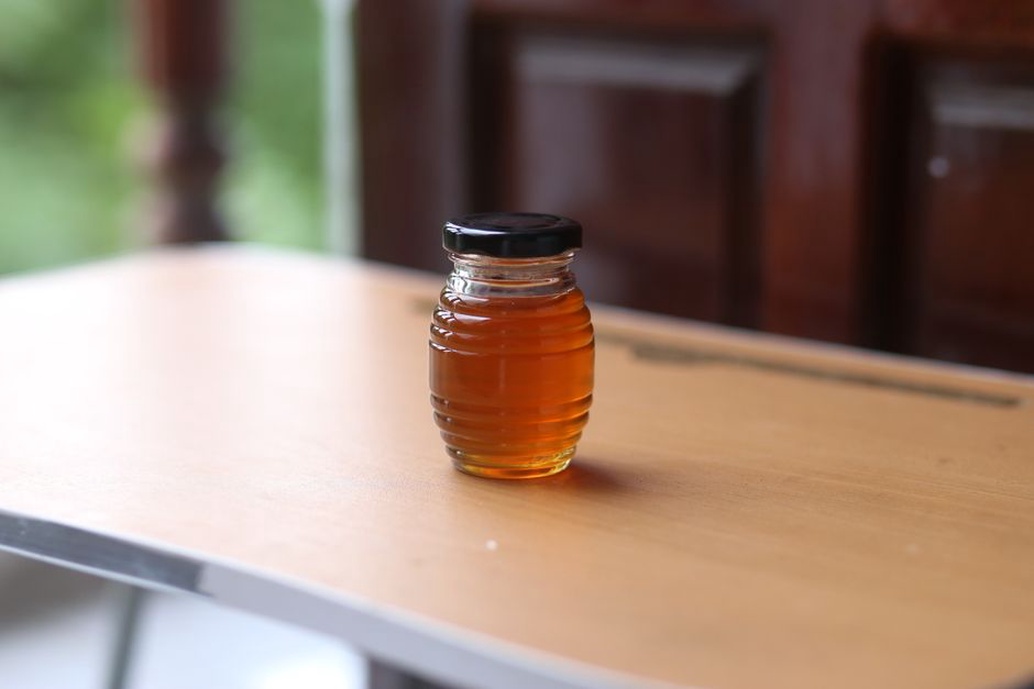
The original recipe used honey as the sweetener. Within the first day of posting, a reader asked: “Can I use maple syrup instead? Honey gives me brain fog.” That sparked a lengthy back-and-forth. Several commenters shared their personal experiences with different sweeteners. Honey, being a source of fructose, can cause bloating in people with fructose malabsorption or SIBO. Maple syrup contains sucrose, which some find easier to digest. But others reported that maple syrup triggered a blood sugar crash or worsened candida symptoms.
A particularly helpful comment came from a reader who had been tracking her symptoms for months. She posted a mini chart showing her post-meal bloating scores for honey, maple syrup, and coconut sugar in the candy. Her data suggested that coconut sugar produced the least bloating for her, but she warned that it has a stronger flavor that can overpower the berries. The thread demonstrated that there is no one-size-fits-all sweetener on paleo—only careful experimentation. Many readers ended up reducing the sweetener amount by half, finding that the natural sweetness of ripe berries was enough.
Texture Troubleshooting: From Jelly to Gummy
About a dozen comments focused on texture failures. Some readers ended up with a runny liquid that never set; others got a rubbery, chewy mass that was impossible to cut. The community quickly diagnosed the issues: too much acid from citrus juice (which breaks down gelatin), not enough gelatin, or overheating the mixture. One commenter, a food scientist by training, explained that gelatin loses its setting power above 180°F (82°C). She advised heating the berry puree only until warm, then whisking in the bloomed gelatin off the heat. That single tip transformed the success rate for subsequent readers.
Several people also experimented with adding a small amount of arrowroot powder to stabilize the texture. While not strictly paleo (arrowroot is a starch), many found it helpful for achieving a firm, sliceable candy without extra bloating. The thread became a collaborative troubleshooting guide, with readers posting photos of their finished candies and describing the exact modifications they used.
Connecting the Candy to Broader Elimination Diet Principles
Reading through the hundred-plus comments, a pattern emerged: the same readers who struggled with the candy often had broader digestive issues with other paleo foods. They were the ones who later asked about 5 Paleo Pitfalls That Keep You Bloated and Tired (And How to Fix Them), and they recognized that the candy was just a magnifying glass for their underlying sensitivities. One commenter wrote: “This candy taught me that I can’t tolerate any concentrated sweetener, period. Even a tablespoon of honey in a recipe gives me gas. I’m now doing a stricter elimination diet without any sweeteners for three weeks.”
Another reader shared his experience with sulfur sensitivity—a topic that later became a full blog post. He noticed that the gelatin candy, combined with his usual broccoli and eggs, caused severe bloating and foul gas. He linked it to the sulfur-containing amino acids in gelatin. That comment thread eventually grew into What 100+ Comments Taught Me About Sulfur Sensitivity and Paleo Bloating, which we published a few weeks later. The candy comments were the seed for that entire investigation.
Practical Takeaways for Your Own Candy Experiment
Based on the collective wisdom of that comment section, here are the most actionable tips for anyone trying a berry gelatin candy as part of a paleo elimination diet or reintroduction phase:
- Start with a single berry. Use only blueberries for the first batch. If you tolerate it well, add a second berry type in your next batch. Keep a symptom diary.
- Test your sweetener separately. Before adding sweetener to the candy, try a small amount (1 teaspoon) of honey or maple syrup on its own and note any reaction over the next two hours.
- Bloom gelatin fully. Sprinkle gelatin over cold water and let it sit for at least 5–10 minutes. The surface should look like a firm, wobbly sheet before you heat it.
- Keep the heat low. Never boil the berry mixture after adding gelatin. Warm it just enough to dissolve the bloomed gelatin, then pour into molds immediately.
- Reduce the sweetener. If you are sensitive to sugars, cut the honey or maple syrup by half. The candy will be less sweet but still enjoyable, and your gut will thank you.
- Consider gelatin source. If you bloat with standard gelatin, try a grass-fed, hydrolyzed collagen (not the same as gelatin, but some readers found it easier to digest). Alternatively, use a high-quality gelatin from pastured animals.
What the Comments Taught Us About Community-Driven Science
The berry candy comment page was never meant to be a research study. Yet it functioned like one: dozens of individuals, each with their own gut ecology, systematically tested a single food and reported their outcomes. The aggregated data revealed patterns that no single person could have seen alone. For example, the link between raspberries and histamine reactions was not obvious until multiple people described the same flushing and itching. The gelatin hydration issue only became clear after several failed batches were described in detail.
This kind of shared experimentation is one of the most valuable resources for anyone navigating paleo with digestive sensitivities. It is not a substitute for medical advice, but it can help you generate hypotheses to discuss with your doctor or dietitian. If you are considering trying the berry candy recipe, we recommend reading through the original comment thread (if it is still accessible) to see the full range of experiences. And if you do try it, add your own comment—your data might help someone else avoid a week of bloating.
A Final Note on Reintroduction
If you are in the middle of a strict elimination diet, the berry candy is best saved for the reintroduction phase. The combination of gelatin, fruit, and sweetener is a multi-ingredient challenge that can be hard to interpret if you are still reacting to baseline foods. First complete a full elimination period, then reintroduce each component separately: first plain gelatin (in broth or as a separate test), then berries alone, then a small amount of sweetener. Once you know how each element affects you, you can combine them into the candy with confidence. That stepwise approach is exactly what the commenters who succeeded did—and it is the safest path to finding out whether this treat works for your unique digestive system.