A Paleo meal can be rich in fat and still provide very little omega-3. Eggs and avocado for breakfast, chicken salad with olive oil at lunch, and roasted meat at dinner may all fit a Paleo approach, but they do not supply the long-chain omega-3 fats found in oily fish. Rather than chasing a perfect ratio, focus on eating omega-3-rich foods regularly and keeping concentrated omega-6 sources from becoming the default.
Omega-3 and omega-6 fatty acids are polyunsaturated fats the body needs from food. They are part of cell membranes and provide starting materials for signaling compounds involved in normal immune function, circulation, and other processes. People often discuss “balance” as a ratio, but the forms of these fats, the overall diet, food quality, and individual needs matter more than one numerical target.
Why the two families are discussed together
Alpha-linolenic acid (ALA) is the essential omega-3 fat, while linoleic acid (LA) is the essential omega-6 fat. ALA is found in foods such as flaxseed, chia seeds, walnuts, and leafy plants. Linoleic acid occurs in nuts, seeds, poultry skin and fat, egg yolks, and especially seed oils.
Marine foods provide two omega-3 fats with more direct roles in the body: eicosapentaenoic acid (EPA) and docosahexaenoic acid (DHA). The body can convert some ALA into EPA and DHA, but that conversion is limited and varies between individuals. Fish and shellfish are therefore practical Paleo-friendly sources of these fats, rather than relying entirely on plant sources of ALA.
Omega-6 is not inherently inflammatory, and Paleo eaters do not need to eliminate it. Linoleic acid is essential, while foods such as nuts, seeds, and poultry offer protein, minerals, and variety. The issue in many modern diets is concentration: frequent use of soybean, corn, sunflower, safflower, cottonseed, and similar refined oils can add a great deal of omega-6 without contributing much fullness or nutritional variety.
Where Paleo eating can help—and where it can miss the mark
A whole-food Paleo pattern often reduces exposure to refined seed oils because it emphasizes meat, seafood, vegetables, fruit, nuts, seeds, and minimally processed cooking fats. This can mean fewer ultra-processed snacks, fried restaurant foods, and packaged dressings, where refined oils are common.
Still, Paleo is a framework, not a fatty-acid guarantee. Someone might eat almond-flour baked goods, handfuls of nuts, chicken thighs every day, and restaurant meals cooked in unspecified oils while rarely eating seafood. On the other hand, concern about omega-6 can lead people to cut out nourishing foods they enjoy and tolerate well. Neither extreme is necessary.
Look at repeated habits over a few weeks instead. How often does seafood appear? Which fats are used most often at home? Are nuts and seed-based foods occasional additions, or the base of several meals and snacks? Those questions usually reveal more than calculating every gram.
Prioritize food sources of EPA and DHA
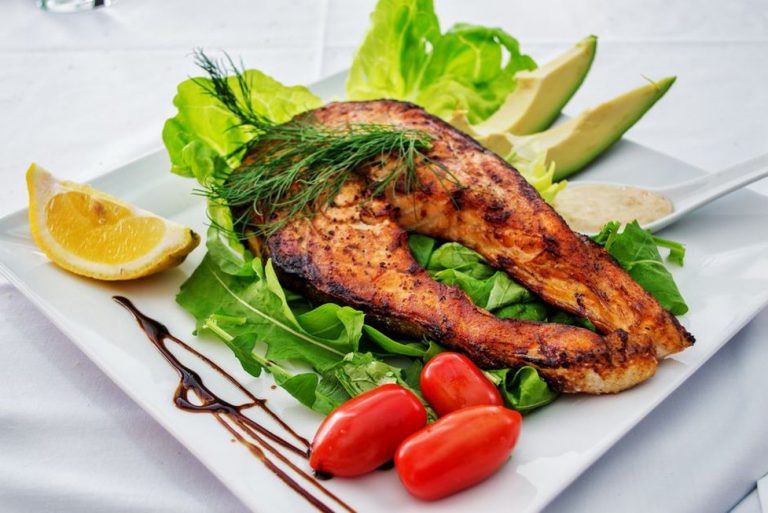
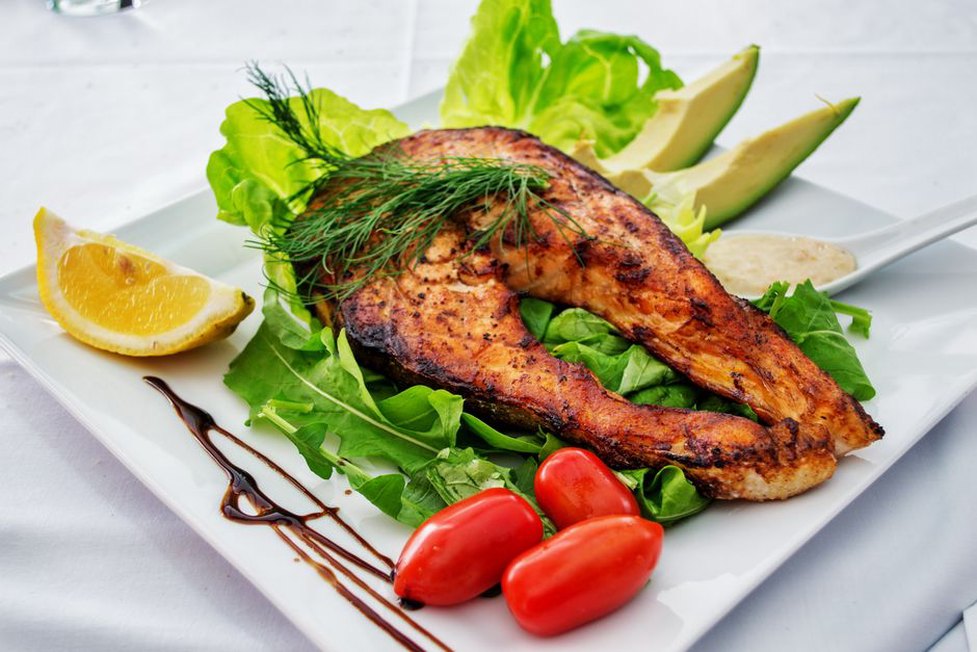
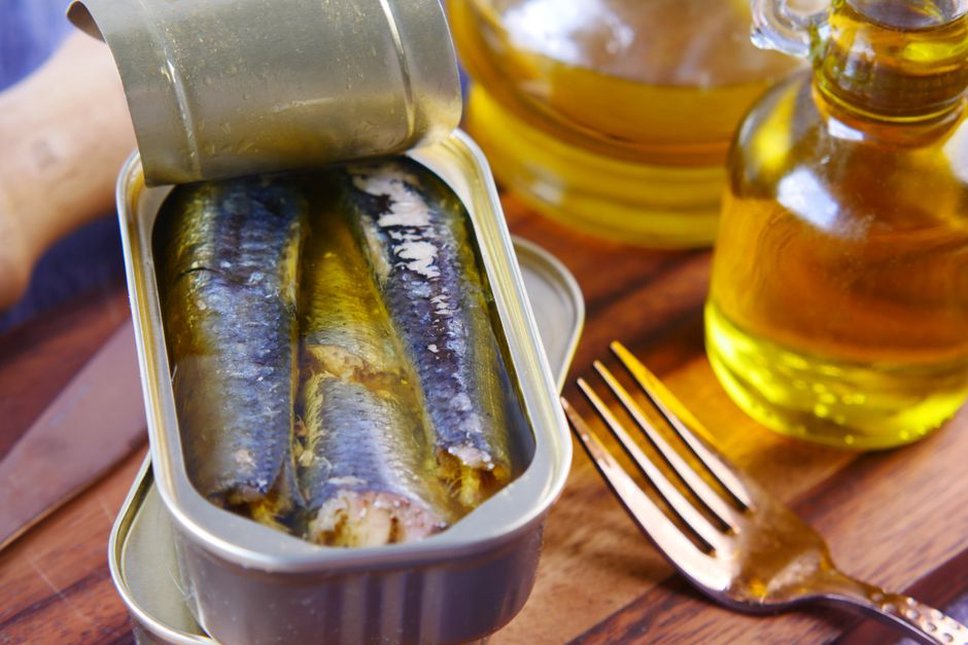
Fatty fish is the most dependable food source of EPA and DHA. Salmon, sardines, herring, mackerel, anchovies, trout, and some varieties of tuna are common choices. Canned fish is especially useful when time is short: it is shelf-stable, needs little preparation, and works in salads, lettuce wraps, vegetable bowls, or simple patties.
When planning the week, choose two seafood meals before you shop. Variety can make meals more enjoyable and reduce reliance on one type of fish. The Mayo Clinic’s guidance on fish and heart health offers a clear overview of fish intake, omega-3 fats, and mercury-related considerations.
Practical Paleo meal ideas
- Flake canned salmon into a salad with cucumber, herbs, olives, and a lemon-olive oil dressing.
- Serve sardines with roasted sweet potato, wilted greens, and a squeeze of citrus.
- Make a sheet-pan dinner with trout, zucchini, fennel, and fresh dill.
- Use leftover cooked salmon in a breakfast hash with greens and root vegetables.
- Add shrimp or mussels to a vegetable soup or sauté for a seafood meal with a lighter flavor profile.
For people following a strict autoimmune protocol elimination phase, fish and shellfish are commonly compatible. Individual tolerances, allergies, and medical advice still matter. A plain preparation—baked, poached, grilled, or gently sautéed—can be easier to assess than a meal containing several newly introduced ingredients.
Keep omega-6 in perspective
There is no reason to treat every nut, seed, egg, or chicken meal as a problem. Instead, notice the major contributors that appear repeatedly and add little culinary value. Refined seed oils are the clearest example because they may be used generously in cooking, dressings, marinades, mayonnaise, crackers, grain-free bars, and restaurant meals.
For everyday cooking, extra-virgin olive oil, avocado oil, coconut oil, and animal fats used in moderate amounts can fit many Paleo approaches. Each has its own flavor and cooking properties. Olive oil works well in dressings and for lower-to-medium-heat cooking, while avocado oil has a mild flavor and is often useful at higher temperatures. Choosing these oils does not make a meal “anti-inflammatory” on its own; it simply helps prevent refined omega-6-rich oils from becoming the default.
| Food pattern | Likely fatty-acid emphasis | Practical adjustment |
|---|---|---|
| Fatty fish several times weekly | More EPA and DHA | Maintain variety across fish and shellfish |
| Nuts, seed flours, and nut butters at most meals | Often higher omega-6 intake | Rotate with fruit, vegetables, meat, seafood, or root vegetables |
| Frequent takeout or fried foods | May include substantial refined seed oils | Ask about cooking oils and choose simpler preparations when possible |
| Mostly chicken and pork, little seafood | May be relatively low in EPA and DHA | Plan a fish-based dinner or canned fish lunch regularly |
Ratios are a rough clue, not a prescription
Online discussions often present a particular omega-6-to-omega-3 ratio as a health requirement. The evidence does not support using one universal ratio as a personal diagnostic tool. Two people can reach the same ratio through very different diets: one may eat enough omega-3-rich seafood, while another may simply consume little of both essential fats. The second pattern is not automatically better.
It is usually more helpful to ask whether your diet includes direct sources of EPA and DHA and whether it relies heavily on refined omega-6-rich oils. The wider food pattern still matters: vegetables, adequate protein, fiber from tolerated plant foods, enough energy, and regular meals all affect how a Paleo diet feels and functions.
Ingredient labels can make this review easier. Look for soybean, corn, sunflower, safflower, grapeseed, or generic “vegetable oil,” especially in sauces, mayonnaise, Paleo crackers, and convenience foods. An occasional product is not a dietary failure. This information is most useful when it identifies a frequent habit you can change without making food stressful.
Special considerations for restrictive diets and digestive comfort
People may try Paleo or AIP-style eating during periods of digestive discomfort, but fatty foods can be difficult for some people regardless of their fatty-acid profile. A large serving of oily fish, a rich sauce, or a sudden increase in nuts may feel heavy, cause nausea, or worsen loose stools in susceptible individuals. That does not confirm an intolerance or identify a disease. It is simply a reason to make changes gradually and observe patterns without jumping to conclusions.
If fish is new or uncommon in your diet, start with a familiar, plainly prepared option rather than adding fish, fermented foods, and several new vegetables in the same meal. If digestive symptoms recur, keep a brief record of the food, portion, preparation, timing, and symptoms. This is more useful than blaming every change on omega-3 or omega-6 intake.
Food safety matters too. Refrigerate cooked seafood promptly, follow storage guidance for canned products after opening, and avoid fish with an off odor or appearance. Pregnant people, children, older adults, and anyone with a health condition may need individualized advice about seafood choices. The CDC’s seafood safety information outlines handling and foodborne illness considerations.
A low-pressure way to adjust the weekly pattern
- Audit one ordinary week. Note seafood meals, packaged foods, restaurant meals, cooking oils, and frequent nut or seed snacks. Do not calculate a ratio yet.
- Add before restricting. Put two seafood meals on the plan using affordable, realistic options such as frozen salmon, tinned sardines, or trout.
- Change one default oil. If you use a refined seed oil daily at home, replace it with an option that suits the recipe and your budget.
- Rotate concentrated foods. Keep almond-flour treats, nut butter, and seed snacks as options rather than automatic staples.
- Review tolerance and practicality. Keep the changes that are satisfying, comfortable to digest, and easy to repeat.
Travel and busy workdays can make fish meals feel less convenient than familiar snack foods. Shelf-stable salmon or sardines can be one portable option; our guide to AIP snacks for travel, work, and busy days focuses on simple choices that suit an elimination-style routine without requiring perfection.
Persistent digestive symptoms, unexplained weight changes, signs of allergy, or uncertainty about major dietary changes deserve discussion with a physician or registered dietitian. Paleo and elimination diets are not substitutes for medical care. For your next grocery trip, choose one oily fish you enjoy, one simple vegetable side, and one cooking method, then put that meal on a specific day of the week.