Start with one recognizable whole-food ingredient. Ripe fruit, coconut, cacao, and tolerated nuts or seeds can make a satisfying Paleo dessert without turning it into a long list of substitutes. A modest amount of sweetener is often enough.
Paleo eating does not mean giving up sweet foods forever. It simply shifts the idea of a treat toward something enjoyable, made with familiar ingredients, and portioned in a way that suits your usual meals, appetite, and digestive comfort. That can mean baked fruit, coconut puddings, cacao bites, frozen fruit desserts, or occasional grain-free baking.
What makes a dessert Paleo?
There is no official Paleo rulebook, but Paleo-style desserts usually leave out grains, legumes, refined sugar, and conventional dairy. Common ingredients include fruit, coconut products, eggs, nut or seed flours, cacao, dates, maple syrup, and honey. Some people also avoid dairy alternatives, large amounts of dried fruit, or ingredients that simply do not agree with them.
An ingredient list does not automatically make a dessert part of a nourishing eating pattern. A cookie made with almond flour and maple syrup may fit Paleo conventions, yet still be easy to overeat and leave someone uncomfortably full. Paleo desserts are still desserts—not replacements for vegetables, protein-rich meals, or regular dietary variety.
Whole-food sweeteners are still added sugars
Honey, maple syrup, coconut sugar, and date paste add moisture and flavor, but they are still concentrated sources of sugar. They do not need to be forbidden, and they do not need a health halo either. Start with less sweetener than a conventional recipe calls for, particularly when ripe bananas, roasted squash, apples, berries, or dates already bring sweetness.
Your taste can adjust to less intensely sweet foods over time. Cinnamon, vanilla, citrus zest, toasted coconut, a pinch of salt, and cacao can make a dessert feel finished without another spoonful of syrup.
Choose a dessert style that fits the occasion
There is no need to recreate cake or ice cream every time you want something sweet. Choosing a dessert based on the time you have, the ingredients available, and your own tolerance can make it easier to prepare and more enjoyable to eat.
- Fruit-forward desserts: baked apples or pears, grilled peaches, berries with coconut cream, or poached plums. These are often the simplest option and provide fiber and water alongside sweetness.
- Chilled desserts: chia pudding, coconut-milk custard, blended frozen banana, or fruit granita. Letting them chill properly helps the flavors settle and gives them a more dessert-like texture.
- Small rich treats: date-and-cacao truffles, coconut macaroons, or dark chocolate bark with dried fruit. Their richness can make a small serving feel satisfying.
- Occasional baking projects: cassava-flour muffins, almond-flour shortcakes, or banana bread. These work well for celebrations, though they usually take more planning and ingredient testing.
Build sweetness, texture, and satiety deliberately
A good dessert usually offers more than sweetness. Contrast helps: soft fruit with crisp toasted coconut, cold coconut cream with warm berries, or bitter cacao with a lightly sweet date base. Coconut, avocado, nuts, and seeds add body, while fruit brings brightness and moisture.
Protein is not necessary in every dessert. Still, a dessert eaten as an afternoon snack may feel more sustaining when it is paired with other food rather than eaten on its own. A baked apple might follow a balanced meal, for example. A small serving of coconut chia pudding can include tolerated collagen peptides if they already fit the person’s eating pattern. There is no need to add protein powder to every recipe, especially if it changes the texture or causes digestive discomfort.
A practical flavor formula
For an easy, no-recipe dessert, choose one element from each category:
- Natural sweetness: berries, banana, mango, roasted apple, dates, or a little maple syrup
- Richness: coconut milk, coconut butter, avocado, almond butter, or cashew butter if tolerated
- Flavor depth: cacao, vanilla, cinnamon, ginger, lemon zest, orange zest, or a pinch of sea salt
- Texture: toasted coconut flakes, chopped nuts, pumpkin seeds, or a fruit compote
This keeps dessert flexible. If you are missing one familiar ingredient, there is usually no need to buy a specialty Paleo substitute.
Ingredient considerations for sensitive digestion
“Paleo” does not automatically mean gentle on every digestive system. Coconut milk, dates, cashews, large portions of raw fruit, sugar alcohols, and some high-fiber flours can be difficult for some people. Symptoms have many possible causes, so feeling unwell after one dessert does not prove an intolerance or point to a diagnosis.
When digestive comfort is a priority, simpler desserts are often easier to assess. Try one new recipe at a time and keep portions modest. A bowl of berries with a spoonful of coconut cream gives clearer feedback than a bar made with several flours, dried fruit, cocoa, nut butter, and sweetener. If you already keep a food-and-symptom record, note the portion, meal context, and symptoms without assuming the most recent ingredient was necessarily responsible.
Some people find cooked fruit easier to tolerate than raw fruit, and a smooth purée may feel gentler than a heavily textured mixture. The blog’s guide to gentle AIP cooking techniques for better digestive comfort includes practical methods that can also be used for fruit compotes, custards, and soft baked desserts.
Paleo desserts during AIP: a narrower set of choices
The autoimmune protocol, especially its elimination phase, is more restrictive than general Paleo eating. A Paleo recipe may contain eggs, nuts, seeds, cacao, or seed-based spices that do not fit a strict AIP elimination phase. What works also varies by stage: a food successfully reintroduced by one person may remain excluded for another.
Simple AIP-oriented options may include baked apples with cinnamon when it fits the individual plan, mashed banana with coconut cream, roasted pears, or gelatin-based fruit cups made with suitable ingredients. Check labels on coconut milk, vanilla, dried fruit, and packaged gelatin. Unnecessary gums, flavorings, or sweeteners can complicate an otherwise simple recipe.
A restrictive phase is not a reason to make desserts more elaborate. If sweet foods increase cravings, create anxiety, or make meals harder to manage, reserve them for occasional planned moments instead of trying to recreate every conventional dessert. Discuss persistent digestive symptoms and significant dietary changes with a doctor or registered dietitian familiar with elimination diets; an elimination approach is not a substitute for medical care.
Three dependable Paleo dessert ideas
1. Cinnamon-roasted fruit
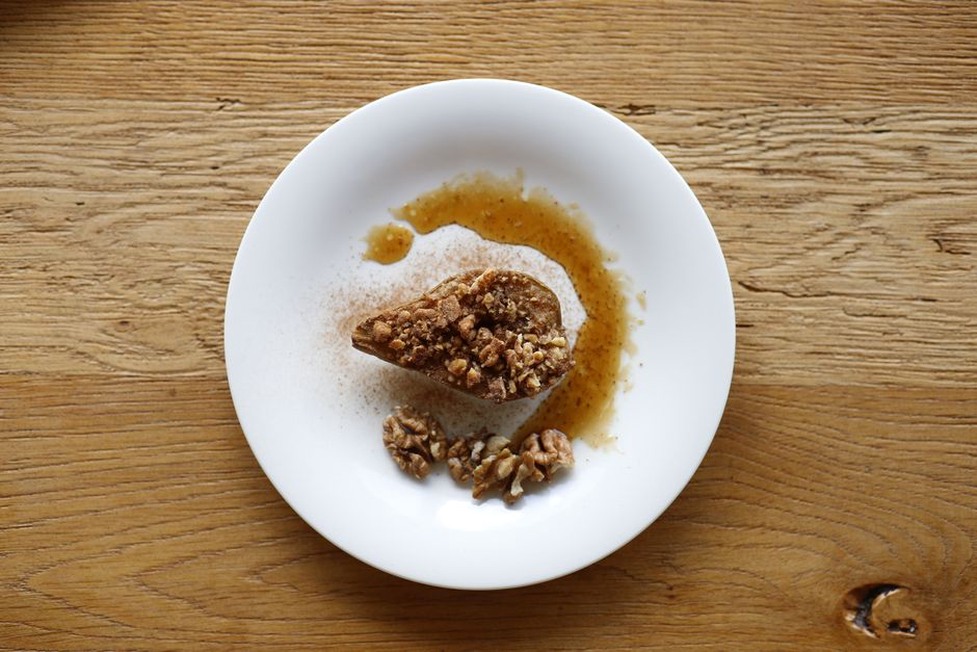
Halve apples, pears, peaches, or plums and bake until tender. Add cinnamon, lemon zest, and a small splash of water to prevent scorching. Finish with coconut cream or toasted coconut. Very ripe fruit may not need any added sweetener.
2. Cacao-date truffles
Process soft dates with unsweetened shredded coconut, cacao powder, a pinch of salt, and a tolerated nut or seed butter. Roll into small portions and chill. If the mixture is sticky, refrigerate it before shaping. These are rich, so smaller truffles are usually more useful than trying to make them taste exactly like a candy bar.
3. Coconut berry cups
Warm frozen berries just until they release their juice, then cool and layer them with full-fat coconut milk or whipped coconut cream. Vanilla and citrus zest add aroma, while chopped nuts add crunch for those who tolerate them. Frozen berries are useful outside peak season and often need little or no sweetener.
Make dessert part of a realistic routine
Keeping a few basics on hand can reduce the impulse to buy a highly sweetened packaged product labeled “Paleo.” Frozen berries, bananas, unsweetened coconut milk, cinnamon, cacao, and dates allow for several simple options without filling the pantry with single-purpose ingredients.
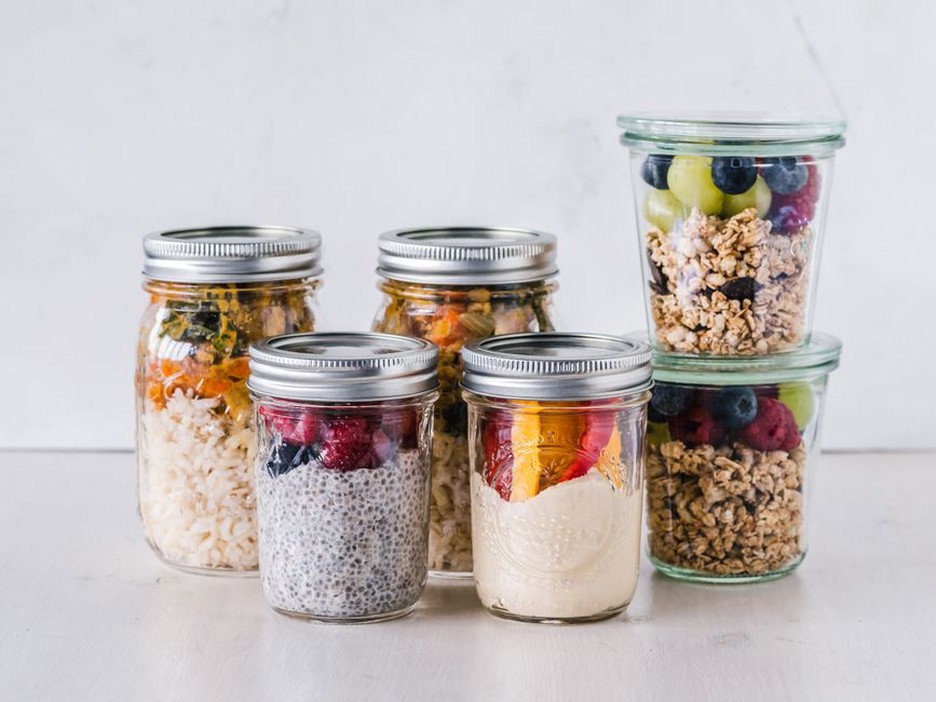
For baked treats, freeze individual portions after they have cooled completely. That helps prevent a large batch from becoming an everyday default simply because it is sitting on the counter. Label containers with the date and ingredients, particularly when testing recipes during a structured elimination or reintroduction period.
Sometimes the most useful dessert is also the simplest: one warm baked pear with two tablespoons of coconut cream, cinnamon, and a few berries. It offers sweetness and contrast, with a natural stopping point and no separate baking project.