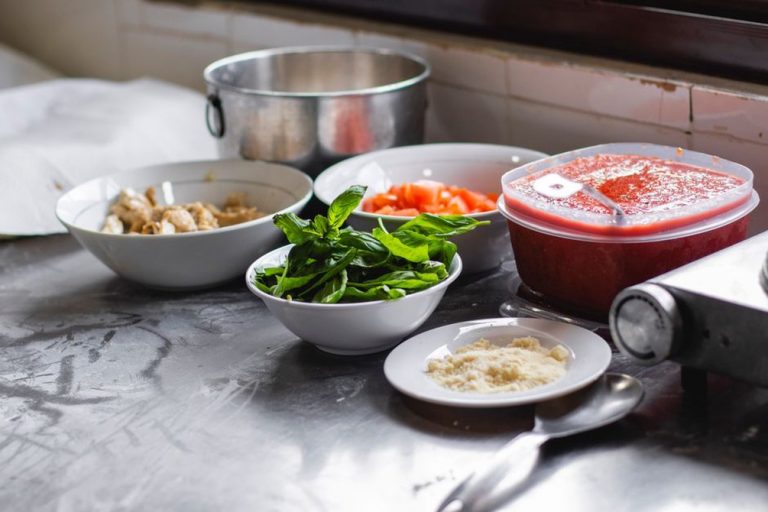
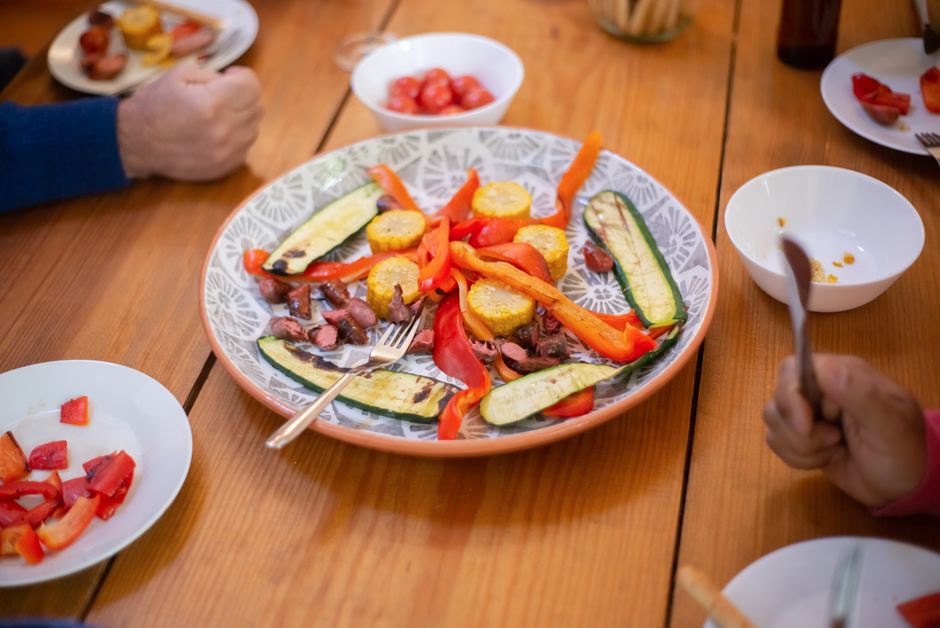
The easiest social meal is usually the one you plan before anyone is hungry. A quick message to the host, a look at the menu, and an AIP-compatible snack before you leave can spare you the choice between an unfamiliar meal and spending the event depleted.
The autoimmune protocol (AIP) elimination phase is a structured, temporary approach used by some people who are exploring whether certain foods affect their symptoms. It is not a treatment for autoimmune, digestive, or chronic conditions, and it does not replace medical care. Social events can add practical and emotional pressure to an already detailed eating plan, especially when ingredients are unclear or food has a strong cultural role.
Decide what kind of event it is
Different gatherings call for different levels of preparation. A catered work lunch, a close friend’s dinner, a wedding reception, and a casual coffee meet-up offer very different amounts of control. Identifying the type of event early helps you make a proportionate plan instead of trying to prepare perfectly for every occasion.
| Event type | Useful preparation | Simple goal |
|---|---|---|
| Restaurant meal | Review the menu and call ahead if needed | Identify one plain, modifiable dish |
| Potluck or family dinner | Bring a substantial dish to share | Ensure there is a complete meal component |
| Work event | Eat beforehand and pack a discreet backup | Participate without relying on catering |
| Celebration with drinks | Plan a nonalcoholic option and transport home | Keep the focus on company, not alcohol |
| Long event or travel day | Pack portable food in enough quantity | Avoid arriving ravenous |
During a strict elimination phase, start with foods that are both compatible and recognizable: plain grilled or roasted meat or fish, simply cooked vegetables, salad with oil and salt if tolerated, and a plain starch such as sweet potato, plantain, or squash when available. Sauces, marinades, dressings, spice blends, fried foods, and shared serving utensils are common sources of unlisted ingredients.
Use a brief, calm explanation
Most people need less explanation than you may expect. A detailed medical account can invite debate, reassurance, or unsolicited advice. A short statement sets the boundary and lets you get back to the gathering.
- “I’m doing a temporary elimination phase and am keeping meals very simple tonight.”
- “I have a few foods I’m avoiding while I track how I feel, but I’m happy to join everyone.”
- “I brought something I can eat, and I’m looking forward to trying the dishes that fit.”
- “No thank you, but that looks lovely.”
None of these responses needs an apology. They also avoid presenting AIP as a universal answer or judging anyone else’s food. If someone wants more detail, repeat a simple response: “I’m following a plan that I’m working through carefully.” Then shift the conversation to the host, the event, or a shared interest.
When someone close to you is hosting, let them know well before the meal. A message such as, “I’m looking forward to Saturday. I’m in a short-term elimination phase, so I’ll bring a main dish that works for me and enough to share,” gives the host a practical answer without asking them to cater separately.
Build a reliable backup plan
Bringing food is not a sign of mistrust or withdrawal. Menus change, ingredient lists are sometimes unavailable, and gatherings often run longer than expected. Backup food keeps hunger from deciding for you.
What to bring
Bring something that travels safely and feels like a meal, not just an emergency nibble. Depending on storage and transport conditions, that might include:
- Cooked chicken, turkey, fish, or meatballs made with ingredients you tolerate
- Roasted sweet potato or winter squash
- A simple salad packed separately from its dressing
- Cooked vegetables with olive oil, avocado oil, or another tolerated fat
- Fresh fruit if it works within your personal plan
- A small container of plain cooked protein for a restaurant meal with limited choices
Use an insulated bag and cold pack for perishable food that will not be refrigerated promptly. For a long event, pack more than one portion. A small snack may take the edge off, but a meal with protein, carbohydrate, and fat is more likely to carry you through dinner, a meeting, or an evening celebration.
Eat before you arrive when necessary
Sometimes a balanced meal at home is more comfortable than trying to build dinner from side dishes. You can still accept a compatible item, hold a sparkling water, and take part in the conversation. Being present does not require eating every course.
This can be especially helpful at buffet-style work functions, where labels may be incomplete and dishes are frequently replenished. It also makes it easier to stick with your plan when everyone else is eating and you are already hungry.
Handle restaurants with focused questions
Restaurant staff may be able to accommodate simple requests, though they may not know every ingredient in a prepared sauce or marinade. Ask questions that are specific, polite, and easy to answer. “Can the salmon be prepared with only olive oil, salt, and herbs?” is more useful than asking, “Is this AIP?”
Useful questions include:
- Is the protein seasoned or marinated before it arrives in the kitchen?
- Can it be cooked without butter, seed-based spices, pepper, or sauce?
- What oil is used on the grill, in the pan, and for the vegetables?
- Can the dressing be omitted and oil and lemon served separately?
- Are the vegetables prepared with a seasoning blend, stock, or premade sauce?
Some restaurants cannot make detailed changes during a busy service. That is useful to know, not a personal failure. Choose the simplest option available, use your backup food if needed, or make it a drinks-and-conversation occasion after eating beforehand. Because the elimination phase is temporary, you may prefer to save a particular restaurant for a later stage rather than turn one evening into a stressful negotiation.
Ingredient uncertainty calls for a measured response. Cross-contact and hidden ingredients may matter for some people, but trying to achieve absolute certainty at every event can become exhausting. Consider your current goals, known reactions, and the practical limits of the situation. Persistent digestive symptoms or concerns about food reactions should be discussed with a physician or qualified dietitian, particularly before making major dietary changes.
Bring a dish that works for everyone
For a potluck, a substantial side or main component is usually more useful than a highly specialized substitute dessert. A tray of roasted vegetables, a large salad with dressing on the side, baked sweet potatoes, or simply seasoned roast chicken can give you dependable food while appealing to other guests.
Label the dish accurately without making health claims. “Roasted carrots with garlic and herbs” tells people what they need to know. If common allergens are relevant, list them plainly. Terms such as “clean,” “guilt-free,” or “bad-for-you-free” can add unnecessary judgment to a shared meal.
If a host offers to make something for you, thank them and keep the request simple. One or two clear ideas are kinder than a long list of foods to avoid. For example: “Plain roasted chicken, sweet potatoes, and vegetables would be perfect for me; I can bring the rest.”
Prepare for pressure without rehearsing an argument
Food pressure can sound affectionate: “Just one bite won’t hurt,” “You used to love this,” or “It’s a special occasion.” A brief, repeated answer usually works better than a detailed explanation, which can turn a personal choice into an open debate.
- “I’m passing tonight, thank you.”
- “I’m comfortable with what I chose.”
- “I’m not making changes to my plan at this event.”
- “I appreciate you thinking of me, but I’m all set.”
Then redirect. Ask about the recipe, compliment the host’s effort, offer to clear plates, or move to another conversation. A boundary is not criticism of the person offering food; it is simply information about what you are choosing at that moment.
If comments about your body, health, or plate become intrusive, a firmer line may help: “I’d rather not discuss my food choices tonight.” This is appropriate even with well-meaning relatives. Repeated scrutiny can make elimination diets feel isolating, so it can help to identify one supportive person before a difficult event. A partner, friend, or family member can change the subject, help you find food, or offer a quiet exit if needed.
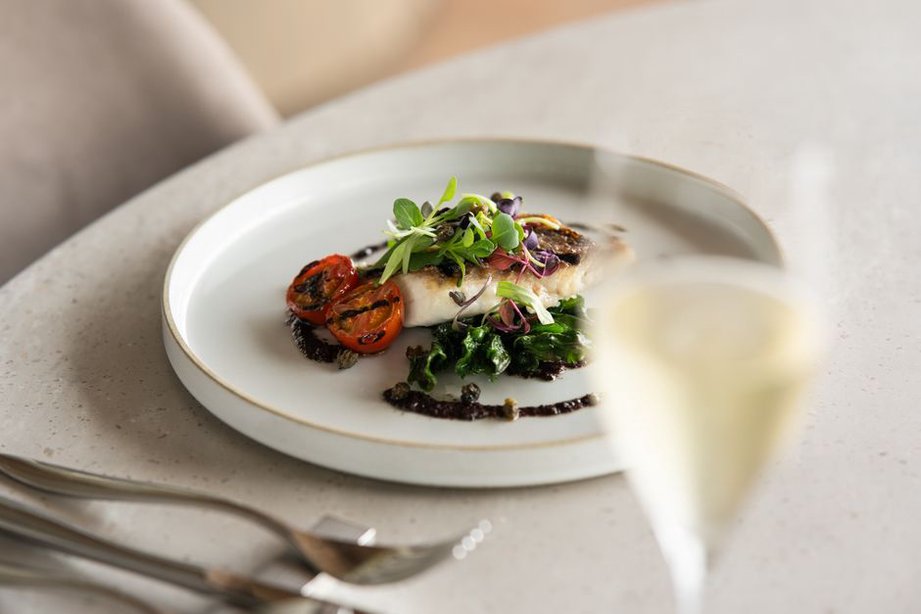
Alcohol, celebratory drinks, and nonfood participation
Alcohol is excluded during the standard AIP elimination phase. If drinking is part of the event, choose an alternative before you arrive. Sparkling water with citrus, still water in a glass, herbal tea, or another nonalcoholic drink that fits your plan can draw less attention to what you are declining.
You do not need to explain your dietary choices to decline alcohol. “I’m not drinking tonight” is enough. If an event becomes heavily centered on drinking, consider coming for the meal or activity and leaving before late-night pressure builds. Driving yourself or arranging separate transport can make that easier.
Connection is built in ways that have little to do with food: helping set up, joining a walk, playing a game, celebrating a milestone, asking thoughtful questions, or sending a warm message afterward. Those forms of participation can matter even more when the menu is limited.
Make space for flexibility at the right stage
AIP is sometimes treated as a test of character. It is more useful to see the elimination phase as a defined period of observation, followed by deliberate reintroductions when appropriate. Reintroductions are easier to interpret when they are planned, introduced one food at a time, and tracked under relatively stable conditions—not added spontaneously during a wedding weekend, stressful travel day, or restaurant meal with several unknown ingredients.
A planned reintroduction may eventually widen your social options, but there is no need to rush one for a single invitation. Keep notes on foods, portions, context, and symptoms instead of relying on memory. The existing guide on tracking food and digestive symptoms without jumping to conclusions can help keep observations grounded.
Dietary restriction can become burdensome when it leads to significant anxiety, avoidance of meaningful relationships, unintended weight change, or an increasingly narrow list of foods. A registered dietitian familiar with elimination diets can help assess nutritional adequacy and make a reintroduction plan more manageable. Discuss ongoing symptoms, restrictive eating patterns, and any major dietary change with a physician as well.
A simple event-day checklist
- Confirm the event time, location, and likely food setup.
- Decide whether to eat a meal beforehand, bring food, or contact the venue.
- Pack a filling backup option and appropriate food-storage supplies.
- Choose one short explanation and one boundary phrase in advance.
- Plan a compatible drink.
- Arrange transport and an exit time if the event may become uncomfortable.
- Afterward, note only useful details: what you ate, major symptoms if any, and ingredients worth clarifying next time.
If the menu for dinner is uncertain, your plan might be simple: eat chicken, squash, and cooked greens at home; bring a small container of extra protein; order plain grilled fish and vegetables if the restaurant can confirm how they are prepared; choose sparkling water with lemon; and respond to dessert with, “I’m keeping food simple tonight, thanks.”