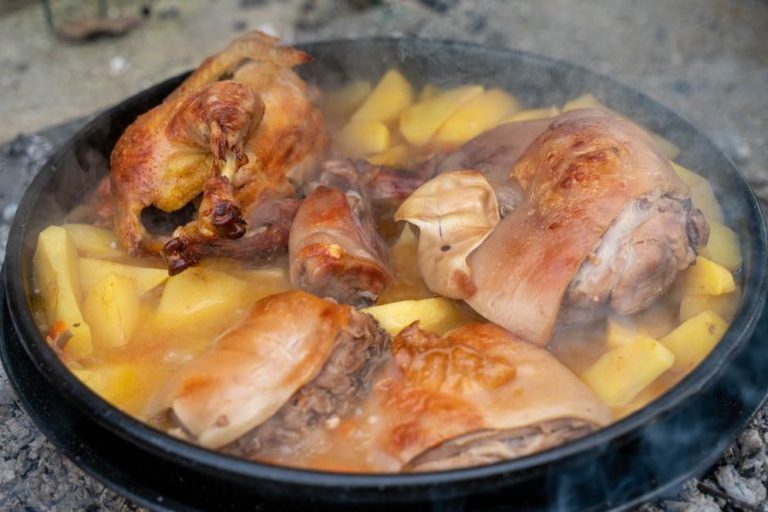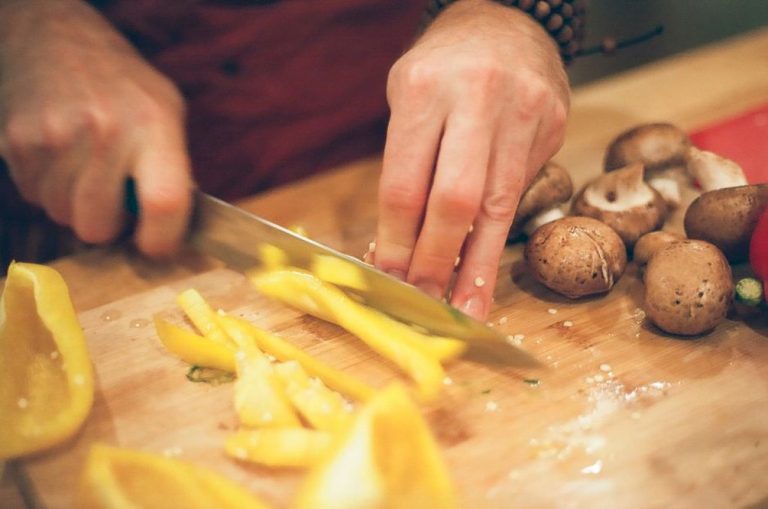

Microbiome diversity depends less on whether a food carries a “Paleo” label and more on the range of plant fibers, resistant starches, polyphenols, and eating patterns a person actually includes. A plate built around chicken, eggs, almond flour, and the same few vegetables may follow Paleo rules while offering gut microbes a fairly narrow menu. A more varied Paleo-style plate might include several vegetables, herbs, fruit, roots or squash, nuts or seeds when tolerated, and rotating protein sources.
The gut microbiome is the community of bacteria, archaea, fungi, and other microorganisms that live mainly in the large intestine. It differs widely from person to person and can shift with diet, medication, illness, sleep, travel, and other factors. Diversity is a useful research measure, but it is not a personal health score. A stool test alone cannot explain bloating, pain, constipation, diarrhea, or fatigue, and a more “diverse” result is not automatically better in every situation.
What dietary diversity means for gut microbes
Many gut microbes rely on carbohydrates that human digestive enzymes do not fully break down in the small intestine. These compounds reach the colon, where microbes can use them and produce substances such as short-chain fatty acids. Meat, fat, and refined Paleo baked goods do not provide the same range of material. Fiber is not one thing: different plants contain different structures, and different microbes tend to use different materials.
That helps explain why variety matters. The soluble fiber in avocado, pectin in berries, resistant starch in cooled sweet potato, and fructans in onion are chemically distinct. They will not cause the same digestive response in every person, and they do not support exactly the same microbial groups.
Paleo can leave room for this variety because it often emphasizes vegetables, fruit, tubers, herbs, spices, nuts, seeds, fish, meat, and minimally processed fats while limiting ultra-processed foods. Still, Paleo is a framework, not a guarantee. One version may be very low in carbohydrate and centered on animal foods; another may make vegetables and roots the basis of most meals. Fiber exposure can look quite different between the two.
The Paleo foods that may broaden microbial inputs
Vegetables across several families
Rotating vegetables is generally more useful than searching for one “best” food for gut health. Leafy greens, brassicas such as broccoli and cabbage, orange vegetables such as carrots and winter squash, alliums such as garlic and leeks, mushrooms, green beans, celery, and root vegetables all bring different fibers and plant compounds.
You do not need an enormous grocery haul every week. Choose a few colors and plant families when shopping, then change them over the month. Roast carrots one week and beets the next. Alternate zucchini with green beans. Try herbs beyond parsley, and rotate cooked greens between spinach, kale, collards, or chard if they agree with you.
Roots, tubers, and plantains
Sweet potatoes, potatoes when included in a person’s Paleo approach, taro, cassava, yams, winter squash, and green plantains can provide carbohydrate and fiber that may be missing from very low-carbohydrate Paleo menus. Preparation changes the starch profile. As cooked starchy foods cool, some of their starch becomes resistant starch, and reheating does not necessarily remove all of it. Cooled potato salad with an appropriate dressing, chilled roasted sweet potato in a lunch bowl, or leftover plantain can therefore differ from the same food eaten straight after cooking.
That does not mean everyone should suddenly add large servings of resistant starch. A quick increase can be uncomfortable for people prone to gas, cramping, or loose stools. Start with a familiar food in a modest portion, watch for patterns over several days, and adjust according to tolerance rather than chasing a particular microbiome result.
Fruit, herbs, and deeply colored plants
Polyphenols are natural plant compounds found in berries, olives, cocoa, coffee, tea, herbs, spices, apples, grapes, and many colorful vegetables. Some reach the colon, where they can interact with gut microbes. They do not replace fiber, but they add another layer of variety to a plant-rich eating pattern.
Within a Paleo approach, that might mean berries at breakfast, fresh herbs in sauces and salads, cinnamon on roasted squash, cocoa in an occasional dessert, or red cabbage alongside dinner. Large quantities are unnecessary. Small, regular exposures from a range of whole foods are often more realistic than relying on one “superfood.”
Nuts and seeds, with context
Nuts and seeds provide fiber and polyphenols, but they are not essential for everyone. Large portions can worsen digestive symptoms for some people, and AIP elimination phases exclude them. If they suit your current eating pattern and feel comfortable to eat, variety may be more helpful than relying on almond flour products every day. Whole walnuts, pecans, pumpkin seeds, chia, or flax differ nutritionally from a grain-free cookie made mostly with nut flour and sweetener.
Why a restrictive version of Paleo can work against variety
Elimination diets can be useful, time-limited tools when planned with a qualified clinician or dietitian. They also reduce the number of foods that can provide fermentable material. During an AIP elimination phase, grains, legumes, dairy, eggs, nuts, seeds, and nightshades are removed, leaving fewer obvious options. That makes variety among tolerated vegetables, fruit, roots, seafood, meats, and herbs especially important.
Symptoms can make this more complicated. Someone with significant bloating may feel worse after increasing onions, garlic, cauliflower, apples, or large servings of cooled starches. That does not prove those foods are harmful or mean the microbiome is “damaged.” The response may relate to portion size, fermentable carbohydrates, meal timing, stress, constipation, an underlying condition, or another factor. Simplifying the diet temporarily may sometimes ease symptoms, but unnecessary long-term avoidance can make eating less flexible and nutritionally narrower.
The aim is not to eat every fermentable food at once. It is to find the broadest, most nourishing pattern that remains practical and comfortable. For an introduction to setting more grounded expectations while changing eating habits, see Starting Paleo: Realistic Expectations for Your First Weeks.
Build diversity gradually rather than “feeding the gut” all at once
Gut microbes respond to repeated eating patterns, not one unusually ambitious salad. Jumping quickly from very little fiber to several cups of raw vegetables, large amounts of resistant starch, and fermented foods can lead to substantial gas and discomfort. Fermentation in the colon is normal, but a rapid increase in fermentable material can be difficult to tolerate.
A gradual approach is often easier to manage and more useful for spotting patterns:
- Establish a baseline. For several days, note usual meals, bowel habits, meal-related symptoms, sleep, and major stressors. This is observation, not self-diagnosis.
- Add one food or one portion change at a time. Try an extra cooked vegetable at dinner or a small serving of berries at breakfast before changing several variables.
- Use preparation methods that suit your tolerance. Soups, stews, roasted vegetables, and peeled or well-cooked roots are often easier for some people than large raw salads, though responses vary.
- Repeat tolerated foods. A food does not need to seem “perfect” on the first try. Regular, comfortable inclusion may be more useful than occasional extremes.
- Rotate over time. Once you tolerate a handful of foods, swap choices across the week instead of adding an entirely new item every day.

A practical weekly rotation without counting microbes
There is no validated at-home target for the number of plant foods a person must eat each week. A simple rotation can still prevent the common habit of relying on the same three vegetables indefinitely. Think in categories rather than numbers: leafy greens, cruciferous vegetables, alliums, orange vegetables, roots or winter squash, mushrooms, fruit, and herbs.
| Meal component | Week one examples | Week two examples |
|---|---|---|
| Cooked vegetable | Zucchini, carrots, spinach | Green beans, beets, kale |
| Root or starch | Sweet potato, winter squash | Plantain, parsnip, potato if included |
| Flavor plants | Parsley, ginger, rosemary | Basil, turmeric, dill |
| Fruit | Blueberries, kiwi, orange | Raspberries, apple, grapes |
This is not a prescription. Adapt foods for allergies, cultural preferences, budget, digestive comfort, and the rules of any elimination phase. Frozen produce can be just as useful as fresh and may make rotation easier. Canned pumpkin, plain frozen berries, frozen spinach, and pre-cut squash can reduce the work involved.
Protein and fat still matter, but they do different jobs
Paleo meals often emphasize animal protein and fats, and both can fit into a balanced eating pattern. Protein supports many body functions, while fats provide energy and help the body absorb fat-soluble vitamins. Neither replaces the range of fermentable compounds supplied by plants. A Paleo plate made mostly of steak and added fat with a token vegetable garnish may be filling, but it offers relatively little fiber variety.
One practical habit is to choose the protein first, then deliberately add two plant elements: salmon with roasted squash and sautéed greens, for example, or turkey patties with a cucumber-herb salad and cooled sweet potato. This is a flexible structure, not a rigid formula. People who need lower-fiber meals temporarily may do better with smaller portions and gentler cooked options while seeking individualized guidance.
Fermented foods are optional, not a shortcut
Fermented vegetables and other fermented foods may contain live microorganisms, but they do not reliably reshape an individual microbiome, and products vary. They can also be high in salt or trigger symptoms in some people. A spoonful of sauerkraut beside a meal is not required for diversity, and it cannot make up for a very narrow overall diet. The wider pattern of plant variety, adequate nourishment, and meals you tolerate matters more.
Important limits of the evidence
Research indicates that dietary patterns influence gut microbial communities, particularly through fiber-rich plant foods. Direct evidence for one universal “Paleo microbiome effect,” however, is limited. Paleo diets differ widely, study periods may be short, and microbiome measures do not always show whether a change improves symptoms or long-term health. Individual responses are expected.
Digestive changes are easy to overinterpret. More gas after increasing fiber may be temporary, but persistent or severe symptoms need medical attention rather than endless food restriction. Discuss lasting changes in bowel habits, unexplained weight loss, blood in stool, persistent abdominal pain, fever, difficulty eating enough, or major dietary changes with a doctor. A registered dietitian can also help make an elimination-style Paleo plan more nutritionally complete.
For a low-pressure first experiment, keep breakfast unchanged for three days and add one-half cup of a tolerated cooked vegetable to lunch, such as carrots, zucchini, or winter squash. Record the portion, preparation, and any symptoms. Then keep, reduce, or swap that one addition before introducing another variable.