
The Paleo diet, stripped of marketing hype, reduces to a simple principle: eat whole foods, listen to your body, and treat each meal as an experiment. I call this the Paleo PI — a personal investigation into what actually supports your digestion, energy, and resilience. It's not a rigid protocol; it's a mindset of curiosity applied to every bite and symptom.
Start by defining your baseline. For most people starting a paleo or autoimmune protocol elimination phase, that means removing grains, legumes, dairy, refined sugars, processed seed oils, and often eggs, nightshades, nuts, and seeds for 30 to 60 days. But the real work begins after removal. The question is not just what you cut out, but what you put back in — and how you interpret the signals your body sends in response.
Why a Nutrition Mindset Matters More Than a Food List
A common mistake in the paleo community is treating the diet as a static checklist. You eat approved foods, avoid others, and expect results. In reality, your most valuable tool is your own attention. A nutrition mindset means approaching each meal with a question: "How does this make me feel one hour later? Three hours later? The next morning?" This is not paranoia — it's pattern recognition.
When I work with readers struggling with bloating, brain fog, or unpredictable bowel movements, the first thing I ask is not to change their food list, but to change their observation habits. Keep a simple log: what you ate, the time, and one or two words describing how you felt afterward. Within two weeks, most people notice a pattern they had missed — perhaps a specific vegetable, a cooking fat, or a meal timing issue that consistently triggers discomfort. That pattern is the first piece of evidence in your personal investigation.
If you feel stuck during the elimination phase, it may help to read about The AIP Plateau: Why Week Three Feels Like Nothing Is Happening (And Why That’s Normal). That post explains why progress often stalls mid-way and how to adjust your mindset rather than your food list.
Building Your Lifestyle Feed: The Inputs Beyond Food
The Paleo PI extends beyond the plate. Your lifestyle feed includes sleep quality, light exposure, movement patterns, stress load, and social connection. These inputs directly influence digestion because they regulate the autonomic nervous system. When you are chronically stressed or sleep-deprived, your body diverts resources away from digestion, regardless of how clean your diet is.
Start by auditing one non-food input each week. For example, track your sleep consistency for seven days — not just hours, but the time you go to bed and wake up. Most people discover that a 30-minute shift in bedtime correlates with less morning bloating or more regular bowel movements. That is actionable data you would never get from a food log alone.
Another often overlooked input is the pace of eating. Many paleo eaters consume nutrient-dense meals quickly while working or scrolling. Digestion begins in the mouth with mechanical breakdown and salivary enzymes. If you eat a bowl of roasted vegetables and grass-fed meat in under ten minutes, you bypass the first phase of digestion entirely. Try this experiment: for one week, set a timer for 20 minutes per meal and chew each bite until the food is liquid before swallowing. Note any change in post-meal fullness or gas.
Using Evidence to Guide Reintroductions
After the initial elimination period — typically 30 days — the next phase is systematic reintroduction. This is where the investigation becomes most precise. You introduce one food group at a time, in a small amount, and then wait 72 hours before trying the next. During those three days, you log any symptom: bloating, headache, joint ache, skin change, mood shift, or sleep disruption.
The goal is not to find a perfect diet, but to map your personal tolerance thresholds. Some people tolerate white rice but not quinoa. Others handle egg yolks but react to egg whites. A few can eat small amounts of dairy without issue but bloat on casein-heavy cheese. These nuances are invisible on a generic paleo food list. Only your own data can reveal them.
For guidance on which foods to try first during reintroduction, see 7 Ancestral Foods for AIP Reintroduction After Elimination. That article outlines foods that are generally well-tolerated and nutrient-dense, making them good candidates for the first few reintroductions.
Nutrient Density as the Foundation
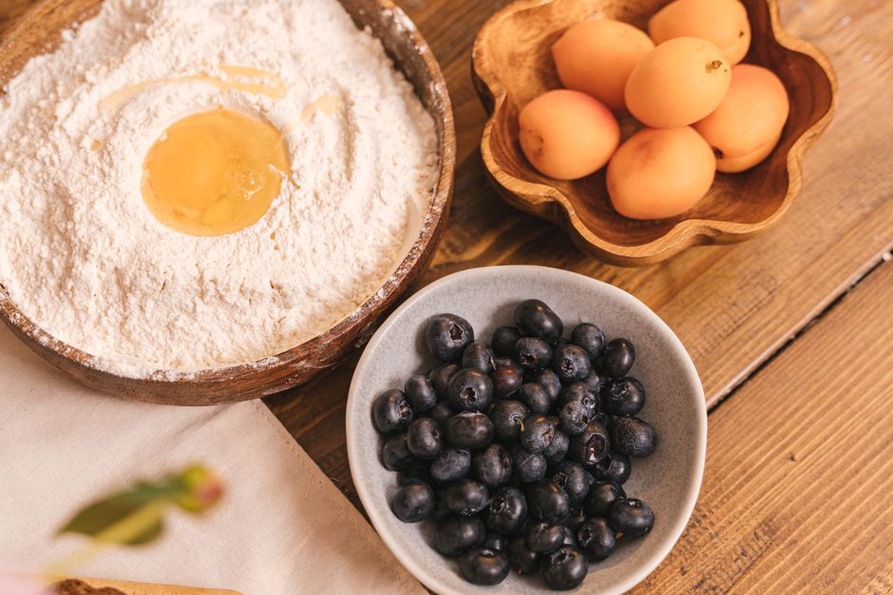
An elimination diet can inadvertently reduce nutrient intake if you simply remove foods without replacing them with more nutrient-dense alternatives. This is especially true when you cut out organ meats, seafood, and colorful vegetables because of personal aversions or budget constraints. The Paleo PI approach prioritizes nutrient density at every meal because a well-nourished body has more metabolic flexibility and better digestive function.
Focus on three categories: protein quality (grass-fed meat, wild-caught fish, pastured poultry), fat sources (animal fats, olive oil, coconut, avocado), and carbohydrate sources (tubers, winter squash, fermented vegetables, low-sugar fruits). Within each category, rotate your choices to avoid developing sensitivities from overconsumption of any single food. A practical target is to eat at least five different vegetables and two different protein sources per day, prepared with varied cooking methods.
If you want a deeper look at how to maximize nutrients per bite, the post Nutrition Density on Paleo and AIP: How to Get More From Every Bite provides a breakdown of which foods pack the most vitamins and minerals relative to their calorie load.
Managing Bloating Without Restricting Further
Bloating is one of the most common complaints even on a clean paleo diet. The instinct is to remove more foods, but often the solution involves adjusting how you eat rather than what you eat. Three practical strategies that do not require further elimination:
- Soak and cook legumes and grains thoroughly if you have reintroduced them — but even vegetables like broccoli and kale benefit from longer cooking or fermentation to reduce gas-producing compounds.
- Separate liquids from solids by drinking water 20 minutes before or after a meal rather than during it. This prevents dilution of stomach acid and allows better breakdown of proteins.
- Add a small amount of fermented food — such as sauerkraut, kimchi, or beet kvass — to one meal per day. The live bacteria can support the microbiome's capacity to process fiber without excess gas.
These adjustments work because they address digestive mechanics, not food intolerance. They are safe to try regardless of your current elimination phase, and they often produce noticeable relief within a few days.
The Role of the Microbiome in Your Personal Investigation
Your gut microbiome is not a fixed organ; it changes within 48 hours of a dietary shift. When you remove certain fibers and resistant starches during elimination, the bacterial populations that feed on them die back, and other species increase. This transition period can cause temporary bloating, irregular stools, or fatigue. It is not a sign that the diet is wrong — it is a sign that your ecosystem is reorganizing.
To support this transition, include a variety of soluble and insoluble fibers from allowed vegetables. Cooked carrots, zucchini, sweet potato, and plantain are gentle options that feed beneficial bacteria without overstimulating gas production. Avoid the temptation to take probiotics or prebiotic supplements without medical guidance, as they can sometimes worsen symptoms in people with small intestinal bacterial overgrowth or histamine intolerance. Instead, let food be the primary driver of microbiome change.
One Concrete Step to Start Today
If you take nothing else from this article, try this single practice: before your next meal, pause for ten seconds. Look at your plate. Notice the colors, textures, and smells. Take one deep breath. Then eat your first three bites slowly, putting your fork down between each bite. That ten-second pause and those three slow bites are the beginning of the Paleo PI mindset — shifting from automatic eating to intentional investigation. The data you gather from that one meal will tell you more about your digestive health than any article or food list ever could.