
When the first round of Epstein‑Barr virus hit me, I was blindsided by a fatigue so deep it felt like someone had pulled a plug on my energy reserves. I rested, ate well, and eventually climbed back to something resembling normal. Then, about eighteen months later, the familiar heaviness returned — the sore throat, the swollen glands, the bone‑deep exhaustion that no amount of sleep could touch. This wasn’t a simple cold. It was round two of EBV reactivation, and it forced me to rethink everything I thought I knew about recovery, immune support, and the role of diet during viral stress.
Why EBV Can Come Back — Even When You Think You’ve Beaten It
Epstein‑Barr virus is a member of the herpesvirus family, and like its relatives, it never fully leaves the body. After the initial infection — which can be mild or present as full‑blown infectious mononucleosis — the virus retreats into latency inside B‑lymphocytes. For most people, a healthy immune system keeps it in check indefinitely. But certain triggers can cause reactivation. Common ones include prolonged psychological stress, a secondary infection, hormonal shifts, nutritional deficiencies, and even intense physical overtraining. In my case, round two followed a period of relentless work deadlines and a spotty diet that had drifted away from the nutrient‑dense foundation I had built during the first illness.
Reactivation doesn’t always look like the classic mono picture. Symptoms can be subtler: low‑grade fever, persistent brain fog, aching joints, swollen lymph nodes that come and go, and a fatigue that feels qualitatively different from ordinary tiredness. Recognising these signs early matters, because the window for gentle intervention — rest, targeted nutrition, and careful food choices — can narrow quickly if you push through.
Why a Paleo Framework Can Help (and Where It Can Fall Short)
When I first adopted a paleo template years ago, it was primarily for digestive reasons. But during the EBV relapse, I found that the same principles — whole foods, no processed junk, plenty of vegetables and quality protein — also supported my immune system in concrete ways. The problem was that I had been eating a version of paleo that was too restrictive in the wrong places and not nutrient‑dense enough in the critical ones.
During viral illness, the body’s demand for certain micronutrients skyrockets. Zinc, selenium, vitamin C, vitamin D, and B vitamins all play direct roles in immune function. A paleo diet that relies heavily on lean chicken breast and salads can leave you short on zinc (found in oysters, red meat, and pumpkin seeds) and selenium (Brazil nuts, sardines, organ meats). I had also cut out organ meats because I found the texture off‑putting. That was a mistake. Organ meats are among the most concentrated food sources of the very nutrients your immune system needs most during a viral battle.
If you are navigating EBV reactivation and eating a paleo or elimination diet, it is worth auditing your plate specifically for zinc, selenium, vitamin A (retinol from liver), and iron. A few adjustments — adding a serving of liver once a week, eating sardines or anchovies, including a handful of Brazil nuts on rotation — can shift the support your immune system receives without adding inflammatory foods back in.
Practical Food Strategies During a Relapse
During round two, I built my daily meals around three principles: minimal digestive burden, high nutrient density, and stable blood sugar. Here is what that looked like in practice, without resorting to supplements or complicated protocols.
1. Prioritise easily digestible protein
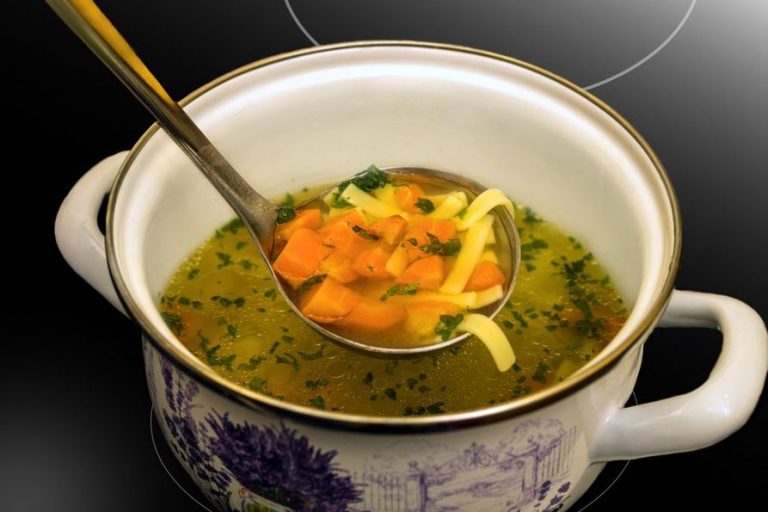
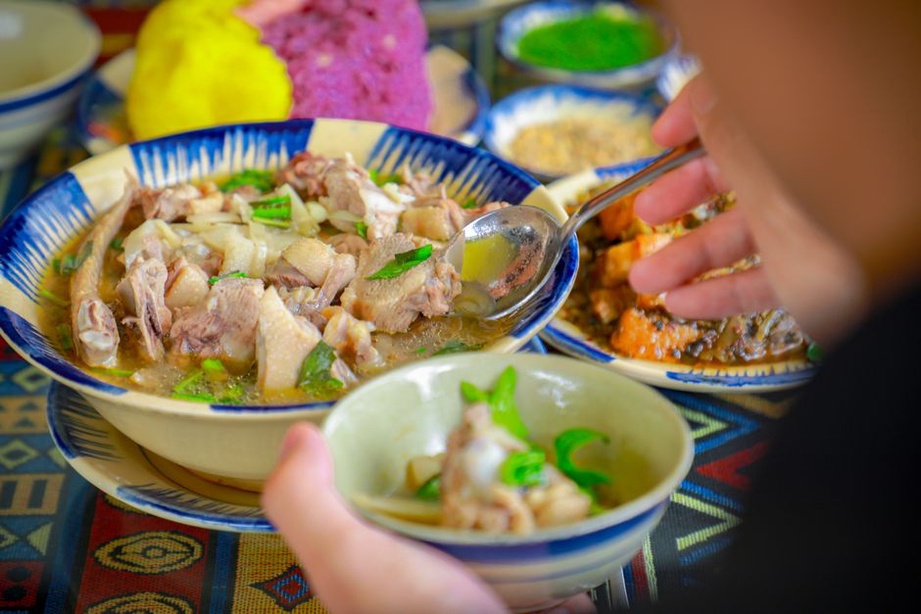
When your body is fighting a virus, digestion can become sluggish. Heavy meals — large portions of tough meat, excessive fat, or large amounts of raw vegetables — can drain energy that is better spent on immunity. I switched to bone broth simmered with chicken feet for collagen and minerals, poached eggs, slow‑cooked lamb shoulder, and small portions of wild‑caught fish. These foods provided protein and micronutrients without overwhelming the gut.
2. Include cooked, not raw, vegetables
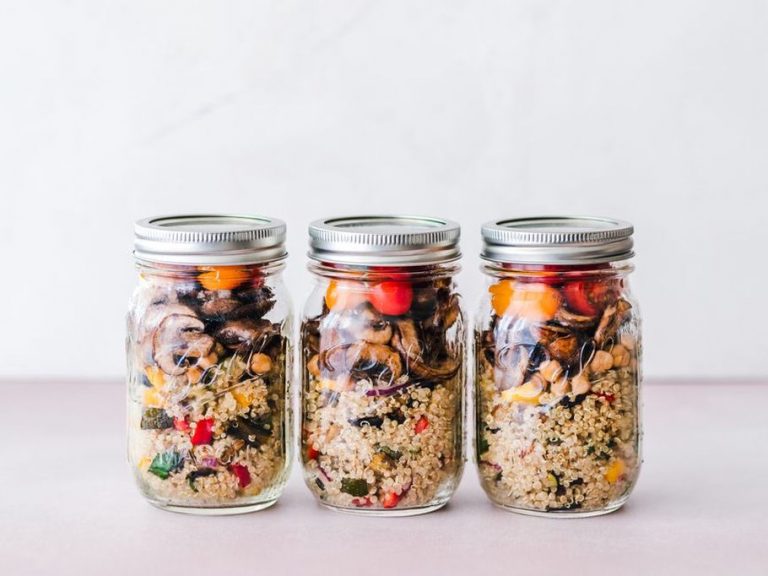
During the first EBV episode, I tried to “detox” by eating giant raw salads. That backfired badly: raw cruciferous vegetables and high‑fiber greens triggered bloating and made my fatigue worse. This time, I gently steamed or roasted vegetables — carrots, zucchini, spinach, and sweet potato — and kept portions moderate. The cooked form reduced the load on my digestive system while still delivering vitamins and antioxidants.
3. Stabilise blood sugar to support adrenal function
EBV reactivation often occurs alongside adrenal fatigue — a state where the body’s stress response system is overworked. Blood sugar crashes can worsen fatigue, irritability, and craving cycles. I eliminated sugar completely (including honey and dried fruit) for the first month of the relapse. Meals were structured around protein + fat + starch in roughly equal proportions: a palm‑sized portion of protein, a thumb of fat (coconut oil, tallow, or olive oil), and a small serving of root vegetable like carrot or taro. That combination kept my energy even and reduced the urge to snack on carbohydrate‑heavy foods that could stress my system further.
4. Pay attention to food sensitivities that emerged
One unexpected development during round two was a new sensitivity to eggs. I had eaten eggs daily for years without issue. But during the relapse, my throat would feel tight and my lymph nodes would swell after a three‑egg omelette. I had stumbled into exactly the kind of hidden intolerance that can surface when the immune system is already on high alert. This is where keeping a short, focused food and symptom diary becomes invaluable. I eventually removed eggs for three weeks, then reintroduced them in very small amounts — one yolk at a time — once the acute symptoms had settled. If you are experiencing new digestive symptoms or worsening fatigue after certain meals during an EBV flare, consider a targeted elimination of common triggers (eggs, nuts, nightshades, or dairy) for two to three weeks, then reintroduce systematically. The process of unearthing hidden triggers is not always straightforward, but it can reveal connections you might otherwise miss.
Beyond Food: Rest, Rhythm, and Honest Listening
No amount of nutrient‑dense food will compensate for ignoring the body’s need for rest during viral reactivation. I learned this the hard way during round one, when I returned to work too soon and prolonged my recovery by months. During round two, I made rest a non‑negotiable priority. That meant sleeping nine to ten hours a night, taking a thirty‑minute rest in the afternoon, and cutting all social and work obligations that were not absolutely essential. It felt indulgent at first. It was not. It was the single most effective intervention I made.
I also paid attention to light exposure and daily rhythm. Morning sunlight (even just ten minutes on the skin) helped regulate my cortisol cycle. Gentle movement — walking, not running — supported lymphatic drainage and prevented the stiffness that comes from prolonged inactivity. Pushing through fatigue with exercise, I have since learned, can delay recovery from viral illness and even trigger further immune dysregulation.
When a Paleo Framework Needs Fine‑Tuning for Viral Recovery
Standard paleo advice often emphasises reducing carbohydrates and increasing protein. But during EBV reactivation, very low‑carbohydrate intake can backfire. The immune system uses glucose as a primary fuel for certain white blood cells. I kept carbohydrate intake moderate — about 100–120 grams per day from cooked root vegetables and fruit — rather than dropping below 50 grams as I had tried during the initial infection. The difference in my energy and mental clarity was noticeable. If you are on an autoimmune protocol (AIP) or a strict paleo template and find yourself flagging, consider whether your carbohydrate intake has dropped too low for your current metabolic needs.
Another nuance: many paleo and AIP resources recommend avoiding all grains and legumes, which is generally sensible for people with autoimmune issues. But during the relapse, I found that well‑cooked white rice (not brown) was gentle on my digestion and provided easily accessible energy without triggering gut symptoms. I reintroduced it temporarily as a tool, not a permanent addition. The lesson was that no dietary framework should be followed rigidly when you are in a state of acute physiological stress. Flexibility — guided by how you feel, not by dogma — is a sign of wisdom, not weakness.
Signs That Recovery Is Underway
Recovery from EBV reactivation is slow and non‑linear. For me, the first sign that I was turning a corner was not a sudden burst of energy, but a gradual lengthening of the time between fatigue episodes. I could go from feeling wiped out after two hours of activity to four hours. Swollen lymph nodes became smaller and less tender. The sore throat faded. Sleep became more restorative — I would wake up feeling slightly less drained than the day before. These small milestones are worth noting, because they provide a counterweight to the discouraging days when it feels like nothing is improving.
If you are going through something similar, I encourage you to keep a simple log — not of symptoms alone, but of small victories: a morning when you could walk around the block, a meal that felt satisfying and supported your energy, an afternoon when you did not need to lie down. These data points help you see progress that is easy to miss in the daily grind of illness.
One final point: EBV reactivation can mimic or coexist with other conditions, including Hashimoto’s thyroiditis, chronic fatigue syndrome, and even certain gut infections like SIBO. If your symptoms persist despite good dietary and lifestyle support, it is worth working with a knowledgeable clinician to rule out overlapping issues. In my own journey, addressing gut health alongside the viral component made a material difference — something I explored in depth after the relapse ended. But that is a story for another post.