
Six weeks into a strict paleo elimination phase, I felt worse than when I started. My bloating was less intense but more frequent. My energy dipped after meals I thought were “safe.” The carefully plotted exclusion list—grains, legumes, dairy, refined sugar, alcohol—had removed the obvious offenders, but something was still disturbing my digestion. This is the part of the elimination journey that rarely gets discussed in the first enthusiastic blog posts: the moment when you realize that paleo alone isn’t a magic reset, and that you need to go deeper. I call it the rabbit hole.
If you are reading this while sitting with a persistent low-grade discomfort after a “clean” meal, you are not alone. Many people who try an autoimmune protocol (AIP) or a strict paleo exclusion phase find that after the initial relief, new or subtler symptoms emerge. This article breaks down the most common hidden triggers I encountered—and how to methodically investigate them without guessing.
Why the First Elimination Phase Sometimes Fails
The goal of a temporary elimination diet is to remove all foods that commonly provoke an immune or digestive reaction, then reintroduce them one by one to identify personal triggers. In theory, after four to six weeks of strict paleo or AIP, you should feel noticeably better. When you don’t, the problem is rarely that the diet is wrong. More often, one of three things is happening:
- You are reacting to foods that are technically “paleo-approved” but problematic for your specific gut. Examples: eggs, nuts, seeds, nightshades, coconut, or even certain fruits.
- Histamine or other biogenic amines are building up. Fermented foods (sauerkraut, kimchi, kombucha) and leftover meat can trigger symptoms in people with impaired histamine degradation.
- FODMAP content is still too high. Many paleo staples—avocado, cauliflower, mushrooms, stone fruits—are moderate to high in fermentable carbohydrates that feed gas-producing bacteria.
The first step is to keep a detailed symptom and food diary, noting not just what you ate but also the timing and quality of any discomfort. I use a simple spreadsheet with columns for time, food, portion size, bloating score (1-5), stool consistency, and energy level. This pattern-tracking is what helped me see that my post-lunch fatigue always followed meals containing eggs or almond flour.
Three Hidden Triggers Worth Investigating
1. Eggs and Nightshades on AIP
On a basic paleo diet, eggs are a staple protein. On a more restrictive autoimmune protocol, eggs are removed during the elimination phase because the whites contain proteins that can cross the gut barrier and provoke an immune response in sensitive individuals. The same applies to nightshades (tomatoes, peppers, eggplant, potatoes). If you skipped the full AIP elimination and went straight to paleo, consider trying a 3-week egg-free, nightshade-free stretch. In my own case, removing eggs stopped the persistent dull headache that appeared an hour after breakfast.
2. Fermented Foods and Histamine Intolerance
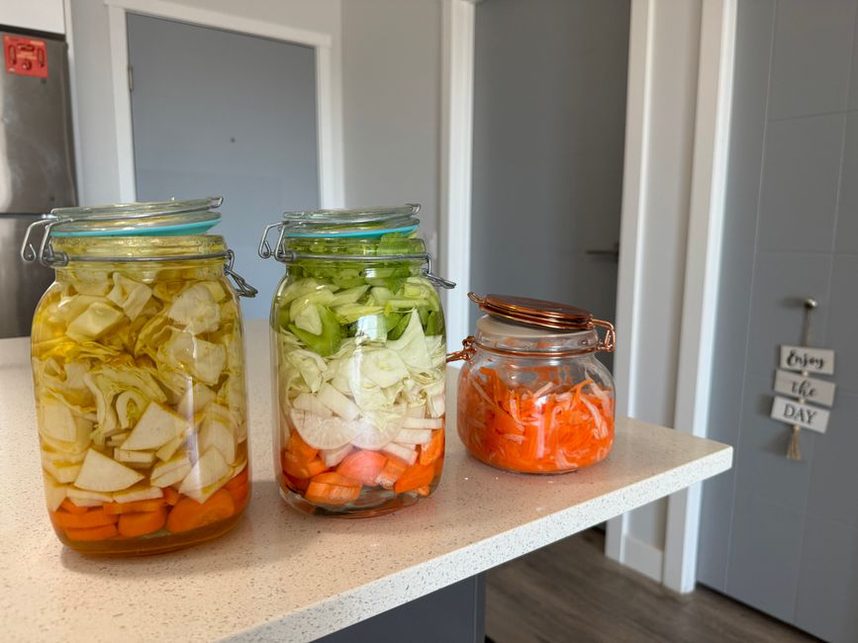
Fermented vegetables and bone broth are praised in paleo circles for their probiotic and mineral content. But for a subset of people, these very foods worsen bloating, cause nasal congestion, or trigger skin flushing. The culprit is often histamine—a biogenic amine that accumulates during fermentation and slow cooking. If you notice that your symptoms intensify after eating leftovers, aged meats, or homemade sauerkraut, try a low-histamine phase for one week: eat only fresh-cooked meat (not ground or leftover), low-histamine vegetables (zucchini, cucumber, lettuce, carrots), and avoid all fermented products. My bloating dropped from a daily 4 to a 2 within four days of switching to fresh-only meals.
3. FODMAPs Hidden in “Safe” Paleo Foods
The low-FODMAP diet was developed for irritable bowel syndrome, but its principles can be useful for anyone with bloating and gas. Many paleo-friendly foods are high in fermentable oligosaccharides, disaccharides, monosaccharides, and polyols. For example:
| Paleo food | FODMAP type | Portion that may trigger symptoms |
|---|---|---|
| Avocado | Sorbitol (polyol) | > ⅛ of an avocado |
| Cauliflower | Mannitol (polyol) | > ½ cup |
| Cashews | Fructans + GOS | > 10 nuts |
| Honey | Excess fructose | > 1 tablespoon |
| Coconut milk (canned) | Low in small amounts; high fat can slow motility | Variable |
If your bloating is worse after vegetable-heavy meals, try a few days of low-FODMAP paleo: stick to meat, fish, eggs (if tolerated), carrots, zucchini, spinach, lettuce, and small amounts of berries. The goal is not to stay low-FODMAP forever, but to see whether your symptoms improve when fermentable carbs are reduced, which would suggest that bacterial fermentation is a major driver of your discomfort.
How to Reintroduce Methodically After a Deeper Elimination
Once you have identified a candidate trigger—whether it’s eggs, histamine-rich foods, or high-FODMAP vegetables—the reintroduction phase must be slow and structured. I reserve three days per food. On day one, I eat a small portion (e.g., half an egg) at breakfast and then eat only previously safe foods for the rest of the day. I note any reaction within 2–4 hours and also the next morning. If no symptoms appear, I double the portion on day two. On day three, I eat a normal serving. Only if I have zero reaction across all three days do I add the food back into my regular rotation.
If a reaction occurs, I wait at least four days before testing the next food. This spacing prevents overlapping symptoms from different reintroductions. I also keep a single-page printed log that I stick to my fridge, with columns for food, date, portion, and symptoms. This process sounds tedious, but it prevents the confusion that comes from testing multiple foods at once.
The Role of Meal Spacing and Portion Size
One overlooked detail during elimination phases is meal frequency. Many people feel compelled to eat three large meals plus snacks on paleo. But if your digestion is compromised, large volumes of food—even safe foods—can distend the stomach and trigger the gastrocolic reflex too aggressively. I found that eating four smaller meals (about 250–350 grams total weight per meal) spaced at least 4 hours apart reduced my bloating more than any single food removal. The 4-hour gap allows the migrating motor complex to sweep residual food and bacteria from the small intestine, which may reduce fermentation.
Similarly, portion size matters for individual foods. I can eat a tablespoon of almond butter without issue, but two tablespoons reliably cause a “full” feeling within 30 minutes. This is not an allergy—it is a threshold effect. Knowing your personal portion limits for nuts, seeds, and high-fat foods is just as important as knowing which foods to exclude entirely.
When the Rabbit Hole Leads to More Questions
Sometimes, even after ruling out eggs, histamine, FODMAPs, and adjusting meal size, symptoms persist. This is the point where I remind myself that no blog post—including this one—can replace the insight of a healthcare practitioner who knows your full history. Persistent bloating, unexplained weight changes, or blood in the stool are signs that warrant a conversation with a gastroenterologist or a registered dietitian familiar with elimination protocols. An elimination diet is a tool for discovery, not a substitute for medical diagnosis. If you have been tracking carefully for 8–12 weeks and still cannot pinpoint the cause of your discomfort, it is time to bring your food diary to a professional.
The rabbit hole is not a failure. It is a sign that your body is asking for finer-grained attention. By methodically eliminating and reintroducing, you build a personalized map of your tolerance—one that no generic diet plan can provide. I now know that my gut handles a moderate amount of cooked vegetables, but struggles with raw brassicas. I know that eggs are fine once a week but not three times a day. I know that fresh-cooked chicken is my safest protein, and that bone broth leaves me stuffy. This level of detail only came from six months of patient tracking, and it was worth every missed meal of sauerkraut.
If you are currently in the middle of your own rabbit hole, try changing just one variable this week: switch to exclusively fresh-cooked, low-FODMAP vegetables for three days and see what shifts. Write it down. The answer is often just one careful observation away.