Histamine intolerance can trip you up during an AIP elimination diet. You might be eating foods that are technically compliant—like bone broth, fermented vegetables, or leftover meat—and still get flushing, headaches, nasal congestion, or sudden bloating. The culprit is often histamine, a biogenic amine that acts as a signaling molecule in the immune system and digestive tract. If your body has a reduced capacity to break it down, even whole, unprocessed foods can trigger symptoms that look exactly like a reaction to a forbidden ingredient.
What Is Histamine and Why Does It Matter on AIP?
Histamine is produced naturally in the body and also accumulates in certain foods as they age, ferment, or are stored. Under normal conditions, two enzymes – diamine oxidase (DAO) and histamine N-methyltransferase (HNMT) – keep histamine levels in check. When these enzymes are overwhelmed, either due to genetic variants, gut inflammation, or a high dietary load, histamine can build up and cause a wide range of symptoms: skin flushing, urticaria, headaches, sinus congestion, fatigue, anxiety, and gastrointestinal distress such as diarrhea, cramping, or bloating.
During an elimination diet like AIP, the goal is to remove common triggers (grains, legumes, dairy, eggs, nuts, seeds, nightshades, processed foods) and then systematically reintroduce them. But if histamine intolerance is at play, a person may react to foods that are allowed on the elimination list – for example, bone broth, fermented vegetables, or leftover meat – and mistakenly assume they have not removed the correct foods. Episode 12 emphasized that histamine sensitivity can be a hidden confounder in the elimination phase, and recognizing it early saves weeks of confusion.
Common High-Histamine Foods in a Paleo Diet
Many nutrient-dense foods that are staples in a paleo or AIP kitchen can be high in histamine or act as histamine liberators. The episode listed the following categories as worth monitoring:
- Fermented foods: sauerkraut, kimchi, kombucha, kefir (if tolerated), and fermented fish sauces. These are often promoted for gut health, but they can be problematic for histamine-sensitive individuals.
- Aged or cured meats: salami, prosciutto, bacon, and even some conventionally raised fresh meats if aged for several days. Freshly frozen meat is generally lower in histamine than refrigerated leftovers.
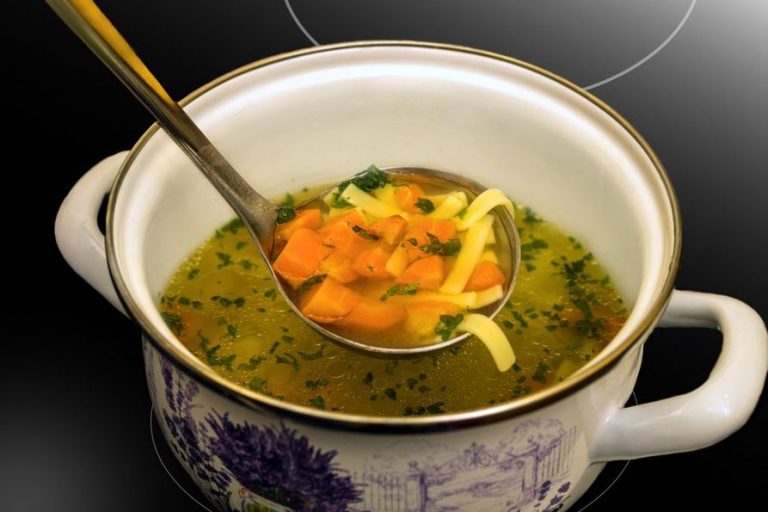
- Bone broth: prolonged simmering (over 4–6 hours) extracts histidine and other amino acids that can convert to histamine. Short-cooked broths or pressure-cooked versions may be better tolerated.
- Fish: particularly tuna, mackerel, sardines, and other oily fish that are not immediately frozen after catch. Fresh, wild-caught fish eaten the same day is safest.
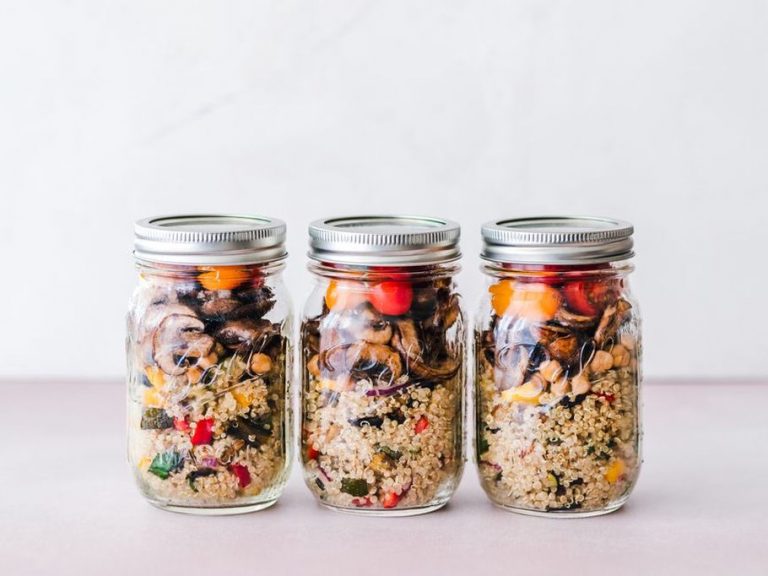
- Leftover meats: histamine increases with storage time. Meal prepping more than two days ahead can raise the load.
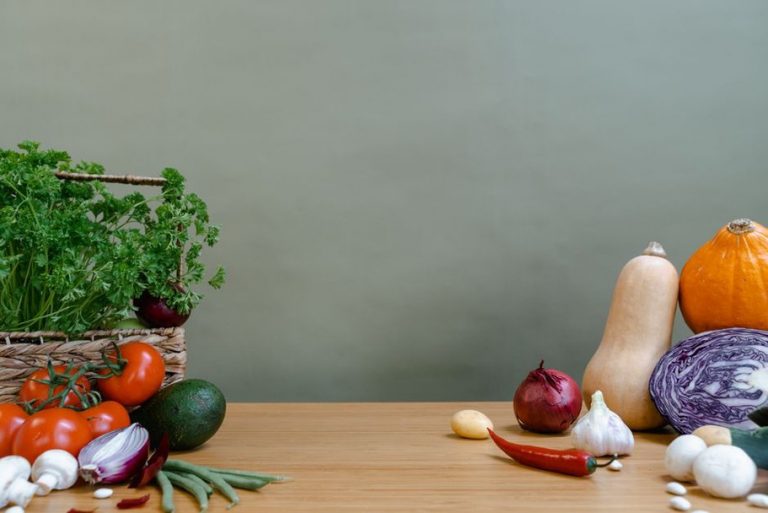
- Certain vegetables: spinach, eggplant (though nightshade-free on AIP), and tomatoes (also nightshade) contain moderate histamine or liberators. Avocado and banana are also moderate sources.
- Fermented condiments: coconut aminos (fermented), vinegar (especially apple cider vinegar), and miso (if soy-free versions are used).
It is important to note that not everyone reacts to all of these foods. The episode stressed keeping a detailed food and symptom diary – similar to the approach described in our earlier post on The 1471 Study: How Reintroduction Order Affects Your Gut Microbiome – to identify personal triggers rather than eliminating an entire food group unnecessarily.
How to Approach Reintroduction with Histamine Sensitivity
If you suspect histamine intolerance, the standard AIP reintroduction protocol may need modification. Episode 12 recommended a two-step approach:
- First, stabilize the baseline. Spend at least two weeks on a low-histamine elimination diet that still adheres to AIP principles. This means avoiding the high-histamine foods listed above while continuing to eat fresh, unprocessed meats, fresh vegetables (except spinach, eggplant, and tomatoes), fresh herbs, coconut oil, olive oil, and low-histamine fruits like blueberries and pears. The Banana Coconut Pudding recipe from 2015 remains a low-histamine option if made with very ripe bananas (which contain less histamine than overripe ones) and fresh coconut cream.
- Then reintroduce histamine-containing foods one at a time, but with shorter observation windows (2–3 days instead of the usual 5–7) because histamine reactions often appear within minutes to a few hours. Start with a food that is borderline, such as fresh avocado, then progress to fermented vegetables or aged meat. If a reaction occurs, note the dose and timing. Many people find they can tolerate small amounts of fermented foods when eaten with a meal that contains DAO-boosting nutrients like vitamin C and copper (found in fresh bell peppers, citrus, and liver).
The episode also highlighted that histamine intolerance often coexists with other digestive issues such as sulfur sensitivity or oxalate overload. For readers dealing with multiple sensitivities, the guide on Overcoming Sulfur Sensitivity on a Paleo Diet offers complementary strategies for managing overlapping triggers.
Practical Tips for Managing Histamine Load
Beyond food choices, episode 12 covered several everyday habits that can reduce histamine accumulation and support the body’s ability to clear it:
- Cook fresh and eat immediately. Histamine builds up rapidly at room temperature and even in the refrigerator. Freeze portions if you must meal prep, and thaw only what you will eat that day.
- Use a pressure cooker for bone broth. A 2‑hour pressure cook yields a gelatin-rich broth with far less histamine than a 12‑hour slow simmer.
- Include DAO cofactors. Vitamin C (from fresh berries, citrus, kiwi, bell peppers), copper (from liver, oysters, cacao), and vitamin B6 (from poultry, fish, bananas) support enzyme function. However, the episode cautioned against supplementing without medical guidance, as high doses can cause imbalances.
- Manage stress and sleep. Cortisol and histamine interact in a feedback loop; chronic stress can lower DAO activity, while poor sleep increases intestinal permeability, allowing more histamine to enter the bloodstream.
- Avoid NSAIDs and alcohol. Both can inhibit DAO and increase histamine release. Alcohol is already excluded on AIP, but over‑the‑counter pain relievers are sometimes overlooked.
One listener question during the episode asked whether antihistamine medications should be used to allow reintroduction of high‑histamine foods. The response was clear: medications are not a tool for dietary experimentation. Persistent symptoms warrant a discussion with a healthcare provider who can rule out other causes (mast cell activation syndrome, salicylate intolerance, or underlying gut infections) and offer personalized advice.
A Note on Individual Variation
Everyone reacts differently. One person might handle a weekly serving of sauerkraut; another gets a headache from a single slice of leftover chicken. The point of elimination isn't to keep cutting foods forever—it's to learn your own limits. If you think histamine might be a problem, try this: for one week, avoid the five high-histamine foods listed earlier (fermented foods, aged meats, long-simmered bone broth, old fish, and leftovers older than two days). Write down everything you eat and any symptoms. After that week, show the diary to your doctor or dietitian. That one exercise often gives you more clarity than any generic protocol.