Avocados are one of the few fruits that deliver a generous dose of monounsaturated fat along with fiber, potassium, folate, and vitamin K. For anyone following a paleo or autoimmune protocol (AIP) diet, they offer a versatile base for meals that are both satisfying and nutrient-dense. The challenge is keeping avocado interesting when you eat it daily. Below are twenty practical ways to enjoy avocados, grouped by meal occasion, with attention to digestive comfort and simplicity.
Breakfast Ideas
1. Salted avocado halves with a pinch of smoked paprika
Cut a ripe avocado in half, remove the pit, and sprinkle with flaky sea salt and a small amount of smoked paprika. The smokiness adds depth without any nightshade issues if you are in the elimination phase of AIP (paprika is a nightshade, so skip it during strict elimination). A squeeze of lemon helps prevent browning and adds a touch of acidity that can aid digestion.
2. Avocado and compliant bacon cups
Preheat the oven to 400°F. Line a muffin tin with thin slices of sugar-free, nitrate-free bacon to form cups. Crack an egg into each cup and bake until the whites are set. Top with diced avocado after baking to keep the avocado fresh and cool against the warm egg.
3. Mashed avocado on roasted sweet potato rounds
Slice a sweet potato into ½-inch rounds, roast until tender, and top with mashed avocado seasoned with salt and fresh herbs (parsley or chives work well). This combination provides a balance of resistant starch and healthy fat, which can help stabilize blood sugar through the morning.
4. Avocado smoothie with coconut milk and spinach
Blend half an avocado with a cup of full-fat coconut milk, a handful of spinach, and a few ice cubes. The avocado gives the smoothie a creamy texture without any dairy. If you tolerate fruit, add a small green apple for sweetness and extra pectin, which may support gut barrier function.
Salads and Bowls
5. Classic avocado and cucumber salad
Dice avocado and cucumber, toss with a simple vinaigrette of olive oil, lemon juice, and fresh dill. Cucumber is low in fermentable carbohydrates and provides hydration, making this salad gentle on sensitive digestive systems.
6. Avocado boats with tuna or salmon
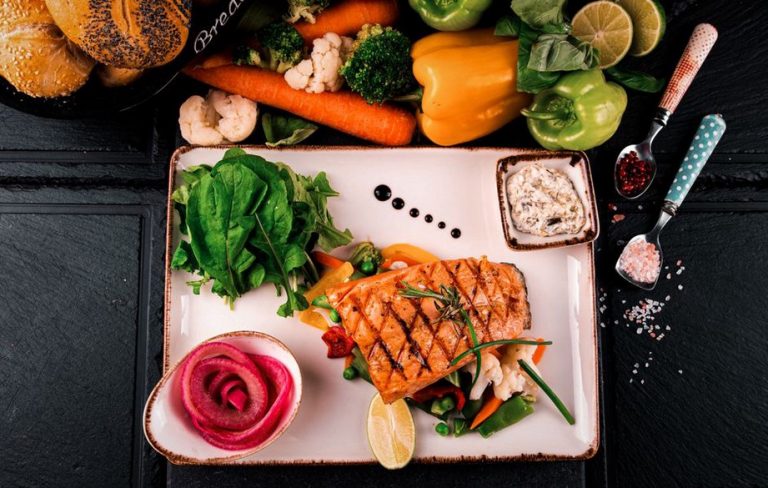
Halve and pit an avocado, then fill the cavity with flaked, well-cooked tuna or salmon mixed with a little olive oil and lemon. This is a quick, no-cook lunch that delivers omega‑3 fatty acids alongside avocado’s monounsaturated fat. For AIP, ensure the fish is canned in water or olive oil without added vegetable oils.
7. Warm kale salad with avocado dressing
Massage kale with a dressing made from blended avocado, garlic (omit during AIP elimination), lemon juice, and a splash of bone broth. The avocado acts as an emulsifier, creating a creamy dressing that helps soften the kale fibers without needing to cook the leaves for long.
8. Avocado and roasted beet bowl
Roast beets until tender, let them cool, and serve with sliced avocado, arugula, and a handful of toasted pumpkin seeds. Beets are rich in betaine, which supports stomach acid production, while avocado adds the fat needed for absorption of fat-soluble vitamins.
Main Dishes
9. Grilled chicken with avocado salsa
Grill a chicken breast seasoned with salt and herbs (thyme, rosemary). Dice avocado, tomato (omit on AIP), red onion (if tolerated), and cilantro, then mix with lime juice. Spoon the salsa over the warm chicken. The freshness of the salsa balances the savory meat.
10. Stuffed bell peppers with avocado and ground meat
Brown ground beef or lamb, mix with sautéed mushrooms and spinach, and stuff into bell pepper halves. Bake until the peppers are tender, then top with diced avocado just before serving. The avocado adds a cool, creamy contrast to the hot filling.
11. Zucchini noodles with avocado pesto
Make a pesto by blending avocado, fresh basil, olive oil, garlic (omit if sensitive), and a pinch of salt. Toss with spiralized zucchini and serve with grilled shrimp or leftover roast chicken. Avocado replaces the traditional pine nuts and Parmesan, keeping the dish paleo-friendly.
12. Baked avocado eggs
Scoop out a little flesh from each avocado half to create a deeper well, crack an egg into the well, and bake at 425°F for 12–15 minutes. The egg white sets while the yolk stays runny. This is a simple, one-pan meal that works for breakfast or a light dinner. For tips on keeping your cooking routine efficient during an elimination diet, see the practical advice in Cooking Simply on AIP: Practical Tips from a 2016 Kitchen.
Snacks and Sides
13. Avocado “fries” baked in coconut flour
Slice a firm avocado into wedges, dip in beaten egg, coat with coconut flour mixed with salt and dried oregano, and bake at 400°F for 12–15 minutes. The coconut flour creates a crisp crust that holds together well. Serve with a side of compliant marinara (if nightshades are reintroduced) or simply with lemon.
14. Guacamole with vegetable dippers
Mash avocados with lime juice, chopped cilantro, and a pinch of salt. Use sliced bell peppers (omit on AIP), cucumber rounds, or jicama sticks for dipping. This snack provides fiber and healthy fats, and the lime juice may help slow gastric emptying, promoting a feeling of fullness.
15. Avocado and prosciutto roll-ups
Slice avocado into thin strips, wrap each strip with a slice of high-quality prosciutto (no added sugars or nitrates), and secure with a toothpick. These are portable, easy to pack, and offer a salty-creamy combination that satisfies cravings without processed ingredients.
16. Cold avocado soup
Blend avocado with cucumber, mint, lemon juice, and a little coconut milk until smooth. Chill for at least an hour before serving. This soup is cooling in warm weather and can be a gentle option if you find that raw vegetables cause bloating—the blending breaks down cell walls, making nutrients more accessible.
Desserts and Drinks
17. Avocado chocolate mousse
Blend one ripe avocado with 2 tablespoons of raw cacao powder (if cacao is reintroduced and tolerated), 1–2 tablespoons of honey or maple syrup, and a splash of vanilla extract. The avocado creates a silky texture without any dairy. Start with a small portion, as some people with histamine sensitivity react to cacao.
18. Frozen avocado popsicles
Blend avocado with coconut milk and a little honey, pour into popsicle molds, and freeze. These make a nutrient-dense treat that contains no added gums or emulsifiers. The fat content keeps the texture creamy even when frozen.
19. Avocado and mint limeade
Muddle fresh mint leaves with lime juice, then shake with blended avocado and sparkling water. Strain into a glass over ice. This drink can serve as a palate cleanser between meals and may help settle the stomach if you experience mild nausea.
20. Avocado “ice cream” with coconut cream
Freeze avocado chunks and blend them with a small amount of coconut cream and a pinch of salt until smooth. Serve immediately for a soft-serve consistency. The salt enhances the sweetness without added sugar, and the coconut cream adds medium-chain triglycerides that are easily digested.
When adding any new food to your routine, especially during a reintroduction phase, it helps to track how your body responds. A single avocado portion (about half a fruit) is generally well tolerated, but some individuals with FODMAP sensitivities may find that a whole avocado triggers bloating. If you are working through a food diary, you might notice patterns related to meal timing and portion size. For example, one reader’s detailed log showed that spacing meals at least four hours apart reduced bloating even when high-fat foods like avocado were included—you can see that analysis in What a Single Food Diary Entry (March 27, 2016, ID 1197) Reveals About Meal Spacing and Bloating. Keep notes on how you feel after trying these different preparations, and adjust the serving size to what feels comfortable for you.