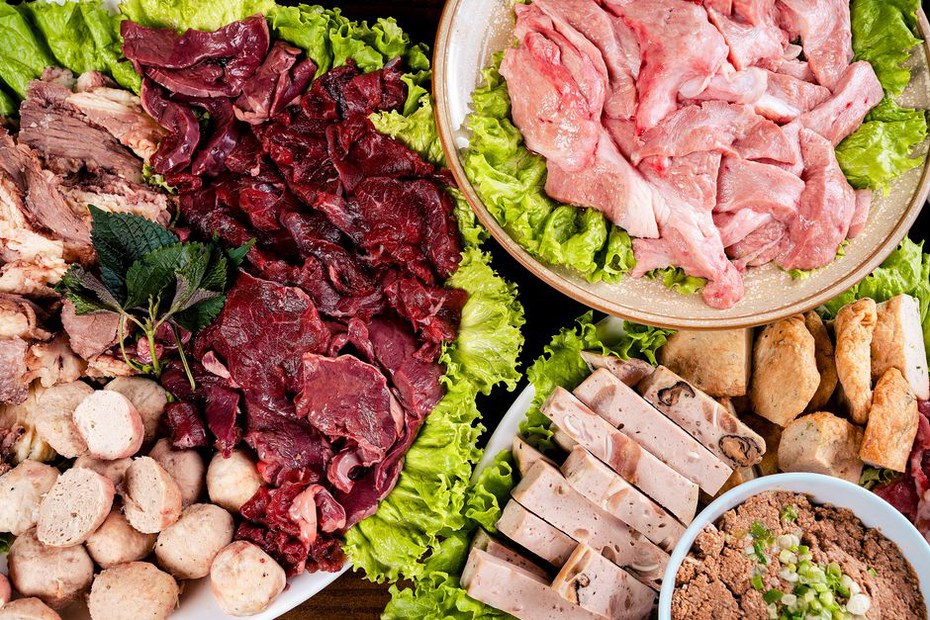
I remember the first time I attempted to cook beef liver for my paleo meal prep. The smell filled the kitchen, the texture felt foreign, and my initial bite was a lesson in acquired taste. But after reading the nutrient profile—one slice of liver contains more vitamin A, B12, copper, and iron than almost any other food—I knew I had to find a way. That struggle is common, and it’s exactly why organ meats deserve a second look from anyone serious about nutrient density, elimination diets, and digestive health.
Why Organ Meats Belong in a Paleo Template
Ancestral eating patterns, whether we call them paleo, primal, or traditional, consistently included the whole animal. Muscle meat was only part of the picture; organs, skin, bones, and connective tissue were prized for their concentrated nourishment. Modern paleo guidelines often emphasise grass-fed beef, wild fish, and vegetables, yet overlook the fact that our hunter-gatherer ancestors likely consumed organ meats daily when they killed a large animal. The liver, heart, kidneys, and spleen provided vitamins and minerals that were scarce in muscle meat alone. Reintroducing these foods is not a gimmick—it is a return to a more complete, nutrient-dense way of eating.
Nutrient Density: A Closer Look
When you compare organ meats to muscle meat gram for gram, the difference is striking. Liver, in particular, is a powerhouse. A 100-gram serving of beef liver provides roughly:
- Vitamin A: over 6,000 mcg RAE (more than 600% of the RDA)
- Vitamin B12: 70 mcg (nearly 3,000% of the RDA)
- Copper: 14 mg (over 1,500% of the RDA)
- Iron: 6 mg (heme iron, highly absorbable)
- Riboflavin (B2): 3 mg
Heart is rich in CoQ10, a compound critical for cellular energy production, and provides ample B vitamins and zinc. Kidney offers selenium and B12 in amounts that rival liver. Even spleen and pancreas, though less common, supply unique peptides and trace minerals. For someone following an elimination diet—especially the autoimmune protocol (AIP)—these nutrients are often hard to obtain from other sources without supplementation. Organ meats can fill gaps in a way that no single plant food can match.
| Organ (100 g, cooked) | Key Nutrients | Notable Benefits |
|---|---|---|
| Beef liver | Vitamin A, B12, copper, iron, riboflavin | Supports vision, immune function, red blood cell formation |
| Chicken liver | Vitamin A, folate, iron, zinc | Easier to find, milder flavour, good for pâté |
| Beef heart | CoQ10, B vitamins, zinc, phosphorus | Supports cardiovascular energy metabolism |
| Beef kidney | Selenium, B12, riboflavin, iron | Antioxidant support, thyroid function |
Overcoming Texture and Flavor Hurdles
The most common objection to organ meats is the taste and mouthfeel. Liver can be metallic or bitter; kidney may have a strong, earthy note. Fortunately, preparation methods make a significant difference. Soaking liver in milk, buttermilk, or an acidic medium (lemon juice diluted in water) for 30–60 minutes before cooking reduces the strong flavour and tenderises the tissue. Pat it dry, then sear quickly over high heat—overcooking makes liver rubbery and intensifies the taste. Heart is dense and lean; it benefits from marinating and slicing thinly against the grain, then stir-frying or slow-cooking. Kidney responds well to soaking in salted water and then braising or grilling.
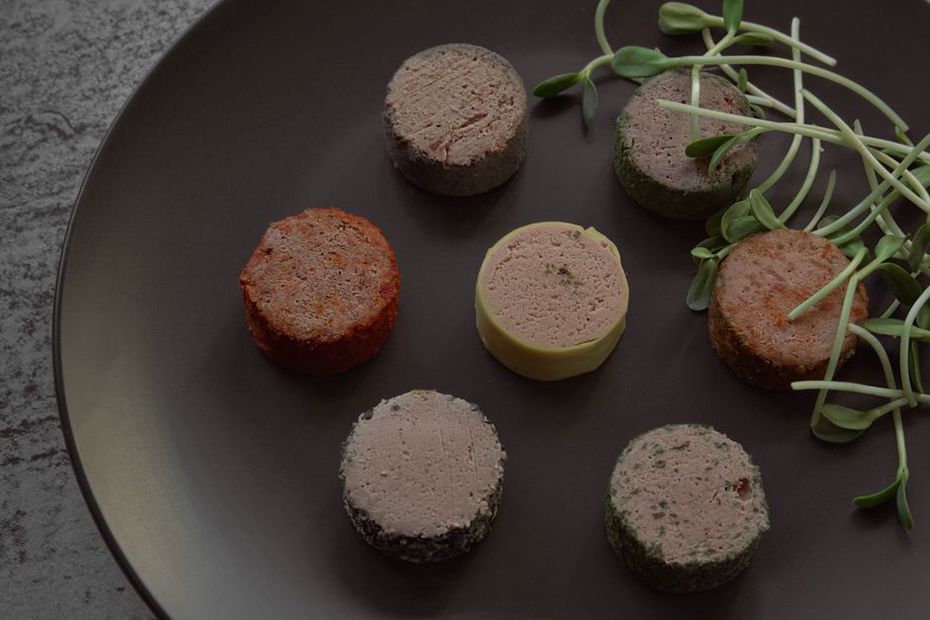
For those who cannot stomach whole organs, grinding them into a mix with muscle meat is a practical strategy. Many home cooks add 10–20% liver or heart to ground beef for burgers, meatballs, or meatloaf. The flavour blends in, and the nutrient boost is substantial. Another approach is to render the organ into a pâté or spread. Chicken liver pâté with herbs, onion, and a little fat can be a delicious addition to vegetable sticks or paleo crackers.
Organ Meats and Digestive Sensitivity
When reintroducing foods after an elimination phase, organ meats can be both a challenge and a tool. Because they are so nutrient-dense, a small serving goes a long way. For someone with a sensitive gut, starting with a teaspoon-sized portion of cooked, pureed liver mixed into a stew or soup can be a gentle introduction. The high histamine content in some organ meats (especially if not fresh or if stored for long) may trigger reactions in individuals with histamine intolerance. Always source the freshest product you can find—preferably from a local butcher who can tell you when the animal was slaughtered. Freeze any organ meat you do not plan to use within two days to slow histamine formation.
Cooking methods also matter. Slow simmering or braising can break down connective tissue and make organs easier to digest, while high-heat searing may create compounds that irritate some guts. Pairing organ meats with digestive aids such as fresh ginger, lemon juice, or bitter greens (dandelion, arugula) can support bile flow and reduce any discomfort. If you are on the autoimmune protocol (AIP), organ meats are encouraged, but always introduce them one at a time and keep a symptom journal to monitor your individual response.
Choosing and Storing Organ Meats
Quality matters more for organ meats than for muscle meat because the liver and kidneys concentrate certain compounds from the animal’s environment. Whenever possible, choose organs from grass-fed, pasture-raised animals that have not been treated with antibiotics or hormones. The difference in flavour and nutritional profile is noticeable. Frozen organ meats are a viable option if fresh is unavailable—just thaw them slowly in the refrigerator and use within 24 hours. Do not refreeze thawed organ meat.
For those new to offal, start with chicken liver or lamb liver; they tend to be milder than beef liver. Heart from any animal is relatively approachable because its texture is similar to muscle meat when cooked correctly. Avoid overcooking any organ—aim for an internal temperature that leaves the centre slightly pink for liver (about 145°F / 63°C) unless you prefer well-done, in which case cook gently to prevent toughness.
Next time you batch cook for the week, try adding a small piece of chicken liver to your ground meat mix. You will hardly notice the taste, but your nutrient intake will thank you. For persistent digestive symptoms or if you are unsure how organ meats fit into your specific health plan, discuss the timing and portion sizes with your healthcare provider—especially if you have a history of iron overload or vitamin A toxicity concerns. Organ meats are a tool, not a cure, but they are one of the most potent foods we can choose to include.