A $24 meal-planning guide looks like a simple purchase—until checkout adds tax, a delivery charge, or a recurring membership the buyer didn't expect. The problem isn't always the final amount. It's the difference between what someone thought they were agreeing to pay and what they're asked to pay. Clear pricing closes that gap before they commit.
For businesses serving people interested in paleo eating, elimination diets, or digestive comfort, price questions come alongside practical ones. How many servings are in a food box? Does a consultation fee include a written plan? Will a digital guide require ongoing payments? Customers may already be checking ingredients, comparing food options, or discussing dietary changes with a clinician. Making costs easy to understand removes one uncertainty without promising a health benefit.
Confidence starts with knowing what the price covers
A visible number helps, but only if customers can tell what it buys. “From $49” says little when the usual order costs more and the conditions for the lower price are hard to find. “$49 for a 45-minute online planning session” is easier to evaluate, especially if the page also says whether follow-up notes are included.
Customers should be able to answer three questions without contacting support: What am I buying? What will I pay in total, or how will the total be calculated? What could change that amount? Put those answers near the offer so people can judge whether it fits their needs and budget before filling out a form or starting checkout.
That distinction matters with health-related offers. A higher price is not evidence of better health outcomes, and a lower price does not mean professional care is unnecessary. The fee describes a product or service, not a guaranteed result.
The difference between a listed price and a predictable total
Customers can see a product price clearly and still have no idea what the bill will be. Taxes, shipping, minimum orders, optional additions, and subscription terms may all change the amount owed. Explain which charges are fixed and which depend on location or the customer's choices.
Show unavoidable charges early
If a charge applies to every order, include it in the initial price or show it immediately beside it—not for the first time on the payment screen. A mandatory handling fee changes the effective price. When tax depends on the buyer's location, say so before checkout and display the calculated amount once the address is available. Pricing rules differ by market, so businesses should check the requirements where they sell.
Shipping for a physical paleo-style food product may vary by destination. The product page can show delivery options, any free-shipping threshold, and when the exact charge will appear. “Shipping calculated at checkout” is better than saying nothing, though an estimate or rate table helps shoppers decide sooner when one is practical to provide.
Explain variables rather than hiding behind “contact us”
Some offers cannot have a single price. A meal-preparation service might charge by portion count and delivery area; a workshop may have separate group and individual rates. A range is useful when customers can see what determines the price. For example: “Sessions cost $80–$120 depending on length; the 60-minute option is $80 and the 90-minute option is $120.” Those figures are illustrative, but the structure makes the choice clear.
Custom quotes make sense when the scope genuinely varies. Say what information you need to prepare one, whether requesting it is free, and whether work starts only after the customer accepts the final price. That gives people more to go on than a page that withholds every figure to prompt an enquiry.
Why transparency affects trust before and after purchase
When people look at a price, they're judging more than affordability. They're also seeing how the business communicates. If essential conditions are difficult to find, they may wonder whether delivery limits or service details are buried too. Clear pricing doesn't prove an offer is suitable or that every claim is sound. It lets customers check the terms for themselves.
It can also prevent avoidable questions after purchase. Someone who knew the delivery fee and billing date is less likely to be puzzled by an expected charge. Clear terms won't prevent every dispute, but they give both sides a shared reference point. Even when a small food or nutrition business doesn't make a sale, honesty matters: someone who can't afford an option can leave without feeling misled, and someone comparing alternatives can do so fairly.
That doesn't mean cramming a page with fine print. Put the facts that matter most where the decision happens, with detailed terms available in plain language. A price beside a purchase button shouldn't rely on a footnote far below to reveal that the payment repeats every month.
Pricing details that matter for food and nutrition offers
The useful details depend on what's being sold. A jar of fermented vegetables, a downloadable recipe collection, and an appointment each create different cost questions. Match the price information to the offer so customers can compare like with like.
| Offer | Useful pricing details | Common point of confusion |
|---|---|---|
| Packaged food | Package weight or volume, price per unit where useful, shipping and temperature-controlled delivery charges | A low pack price masks a small quantity or high delivery cost |
| Digital guide or meal plan | One-time price or subscription status, included files or access period, any extra paid features | “Access” sounds permanent when it ends with a membership |
| Class or workshop | Session length, group or individual format, materials included, cancellation terms | A materials fee appears only after registration |
| Personalized service | Base fee, number and length of sessions, scope of follow-up, circumstances requiring a new booking | Customers assume later messages or revisions are included |
Food labels and dietary descriptions need care too, but price cannot stand in for ingredient information or a health claim. A premium price on an “AIP-friendly” product says nothing by itself about whether it suits a particular person's needs. Ingredients, allergen information, package size, and price answer different questions. Anyone following an elimination approach may still need to read the full ingredient list, even if the marketing sounds compatible.
Make comparisons possible without forcing a sale
Unit pricing makes a 300 g package and a 500 g package easier to compare when both show the cost per 100 g. For a service, the equivalent is a clear session length and a list of what's included. “Three sessions for $210” is more informative when customers also know how long each session lasts and whether between-session support is part of the package.
Bundles deserve a closer look. If one costs less than buying its items separately, show what's inside and whether each component can be bought on its own. Don't suggest that a larger package is needed to “do paleo properly” or manage digestive symptoms. Someone may want only one recipe resource or a single class. Price differences should reflect differences in access, quantity, or service—not pressure to pursue a health outcome.
Limitations belong in the comparison as well. A lower-priced online workshop may not include individual feedback; a more expensive appointment may include written notes but not laboratory testing. Neither is automatically the better choice. Naming those boundaries helps people avoid paying for something they only assumed was included.
Discounts need a clear reference point
A sale label is confusing if shoppers can't tell what the previous price was or when the promotion ends. State the current price, any eligibility rules, and whether the discount is temporary or ongoing. If a first-month subscription price rises later, show the later amount and billing frequency beside the introductory offer. Customers shouldn't have to reach checkout to learn the regular cost.
Subscriptions and renewals deserve extra clarity
A $12 monthly recipe membership isn't just a $12 purchase. It allows another charge under the stated terms unless the membership ends. Before payment, show the billing interval, when renewal happens, what access includes, and how cancellation works. If there's a free trial, say when it ends and what happens next.
Describe the steps to cancel rather than simply calling cancellation “easy.” Can customers do it in their account? Must they email before a deadline? Does access continue through the paid period? These details affect household spending, and they keep an appealing introductory price from turning into an unwelcome surprise.
How to check whether a pricing page is genuinely clear
Review the page as someone who knows nothing about the business. Check it on a phone as well as a larger screen: important costs shouldn't require several menus or a zoomed-in view to read.
- Start at the offer. Find the main price, the unit being sold, and what's included. If the item is called a “plan,” say whether it's a fixed download, ongoing access, or a personalized service.
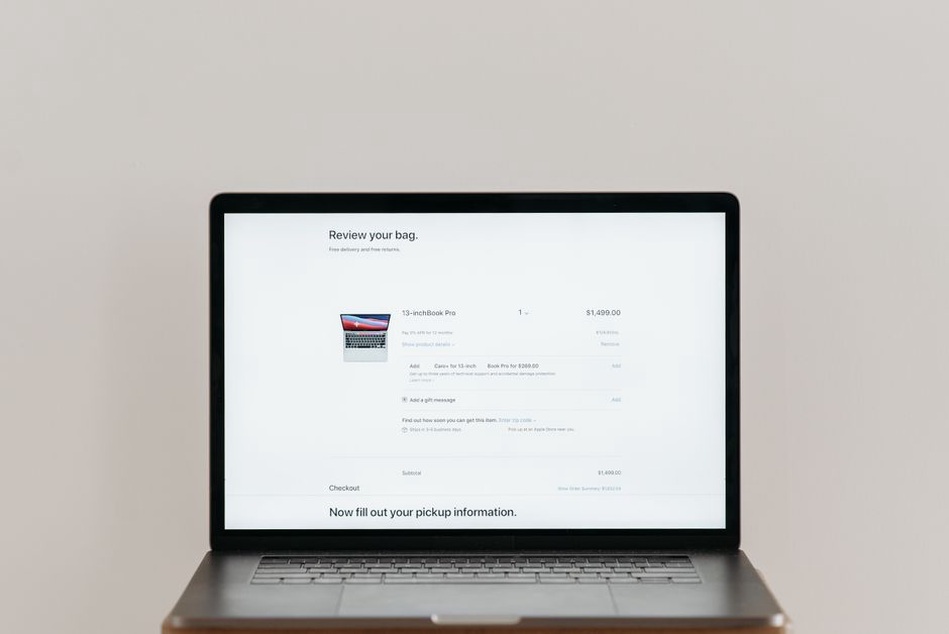
- Trace the total. Follow the path to payment and note when tax, shipping, handling, or other required charges first appear. Move predictable costs earlier.
- Test one common variation. Change the package size, delivery area, session length, or subscription tier. The updated price should be easy to spot.
- Read the conditions beside the button. Check that nearby wording doesn't contradict renewal, cancellation, refund, or discount restrictions.
- Check the receipt. It should name the item, show each charge, and match the amount the customer agreed to pay.
Email questions can expose gaps. If several people ask whether a guide is a one-time purchase, put the answer beside its price. If shoppers repeatedly leave when delivery charges appear, check when and how those charges are shown before assuming the charge itself is the only problem. Feedback is a reason to investigate, not proof of a single cause.
Keep pricing separate from dietary promises
Food and digestive-comfort businesses sometimes pair a price with a promise that customers will feel better. That can blur what they're buying. A fee for an elimination-diet workshop might cover education, recipes, and time with a facilitator; it cannot guarantee relief from persistent bloating or other symptoms. Describe the deliverables and the limits of the service, including whether it provides general education or individualized clinical care.
Elimination diets can be restrictive, and food responses vary. Customers should discuss persistent symptoms and dietary changes with a doctor. Paid resources and dietary information are not substitutes for medical care, diagnosis, or treatment.
For a final check, put the main price, quantity or session length, and the next unavoidable charge in one visible area. A product card reading “$18 for a 400 g jar; delivery starts at $5 and is confirmed after you enter your address” gives a shopper enough information to decide whether checkout is worth opening.