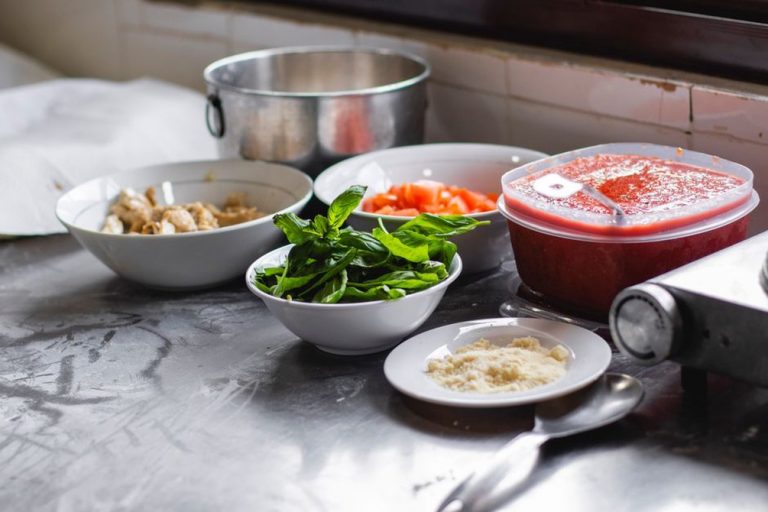
Put one dependable meal in your carry-on before you leave for the airport. Plain cooked chicken, a peeled orange, and cooked carrots may be less tempting than terminal food, but they give you something to eat if a two-hour trip turns into an afternoon of delays. Check current airline and destination rules before packing: liquids, ice packs, meat, and fresh produce may be restricted, especially across borders.
Travel can unsettle digestion even when you stick to familiar foods. Long stretches of sitting, rushed meals, poor sleep, unfamiliar ingredients, and limited bathroom access can all play a part. A paleo plan helps most when it cuts down on decisions without becoming so rigid that you skip meals or eat only a few foods.
Build a travel plan around your known tolerances
Before choosing snacks, jot down foods you usually tolerate, ingredients you avoid, and the simplest complete meal you can put together away from home. Paleo generally excludes grains, legumes, and dairy. It doesn't tell you whether raw salad, coconut products, nuts, or a large serving of dried fruit will sit well with you. Your own experience is more useful than a paleo label.
If you follow an autoimmune protocol (AIP), keep a separate list of your current exclusions and foods you've already reintroduced. AIP is more restrictive than general paleo: a restaurant's paleo dish may still contain eggs, nightshades, seeds, or seed-based spices. Travel isn't a great time to test a new food. With sleep, stress, and meal timing changing too, it's harder to tell what caused a reaction. Pack foods you've already eaten comfortably at home.
For a short trip, plan a few meals you can repeat rather than every bite. Breakfast could be leftover cooked protein and fruit; lunch, a plain protein with cooked vegetables. You can use the same pattern for dinner at a restaurant. Include an energy-rich food you tolerate, such as potato or sweet potato if it fits your current plan. Leaving familiar foods off the plate just to make it look stricter may leave you hungry and looking for snacks later.
Pack for the length and type of journey
For transit days
Pack one meal for the expected travel time and a shelf-stable backup for a delay. Have a way to get water, too. An unopened tin or pouch of plain fish, a tolerated portion of nuts, or unsweetened dried fruit might work. Check labels first; seasonings, sweeteners, and additives vary. Nuts and dried fruit are easy to carry, but large servings can be uncomfortable, especially if you eat quickly without much water.
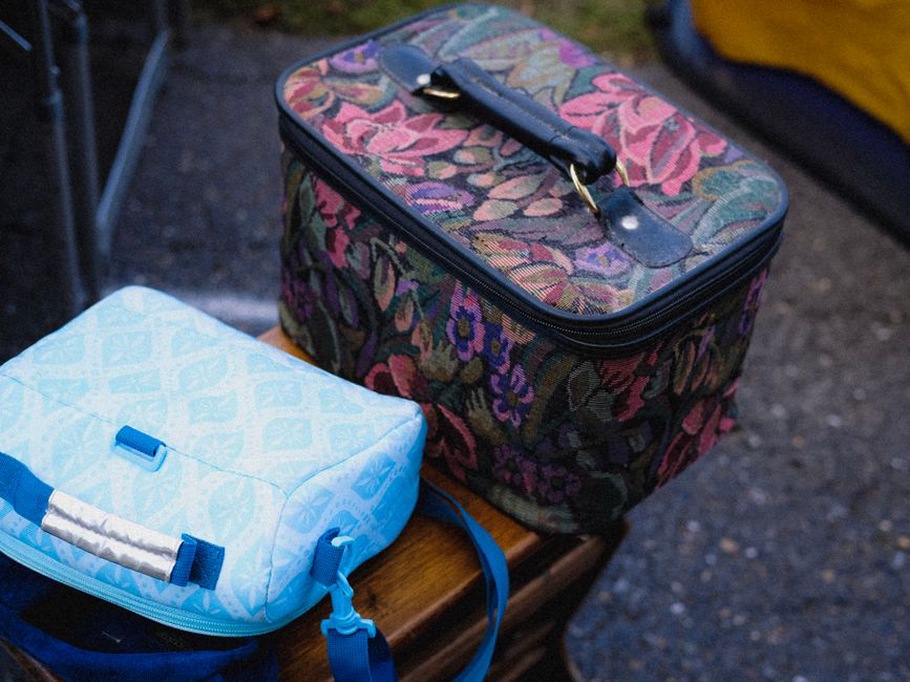
Keep perishable food cold; don't leave it unrefrigerated for hours. Use an insulated bag and suitable cold packs where permitted, then eat or refrigerate the food within a food-safe window. If you can't keep it cold, take sealed shelf-stable items and buy a freshly prepared meal when you arrive. Declare food at border crossings as required, and don't assume you can bring meat, produce, or homemade meals into another country.
For the first evening
Know where your first meal will come from before a late arrival. Check whether a grocery store near your lodging will still be open, or find a restaurant with a plain protein-and-vegetable option. If you'll arrive after closing time, pack a shelf-stable backup that's allowed on your route. It's easier than sorting through ingredients when you're tired.
Make restaurants easier to use
Look for dishes with recognizable parts: grilled fish, roasted meat, or another protein you tolerate, plus vegetables and a side you can eat. Ask how the dish is cooked; “grilled” doesn't necessarily mean plain. Marinades, spice blends, butter, breading, and shared fryers may matter if you avoid particular ingredients. Keep the request short: “Could the fish be cooked without butter or sauce, with cooked vegetables on the side?”
Portion size and timing matter, too. A huge raw salad, very fatty entrée, or unfamiliar hot sauce may feel different after a day of sitting than it does at home. Choose familiar cooked foods when you can, eat at a comfortable pace, and carry a backup snack in case dinner runs late. One imperfect restaurant meal doesn't make the trip a failure.
If you have an allergy or a medically necessary restriction, tell the staff clearly and ask whether the kitchen can prevent cross-contact. A paleo preference is not the same as an allergy; don't call an ingredient an allergen unless it is one for you. If staff can't answer a safety question, choose another option rather than relying on the menu description.
Use lodging facilities without overcomplicating meals
A hotel refrigerator can make simple breakfasts and leftovers possible, but check that it keeps food properly cold. At the grocery store, pick up cooked protein, fruit, vegetables that need little preparation, and a starchy food you tolerate. Wash produce when needed and refrigerate perishables promptly. Without a refrigerator, buy only what you'll eat soon and keep shelf-stable food for backup.
An apartment kitchen gives you more room to cook, but you don't need a full meal-prep session. Make enough plain protein and vegetables for two meals, then change the fruit or side. If travel companions use an ingredient you need to avoid, keep a separate utensil or container for your food. If shared support would make planning easier, the blog's guide to asking for support while following AIP offers ways to make specific requests instead of expecting others to guess.
Protect the routines that affect digestion
Food isn't the only variable. Travel can squeeze meals together, interrupt sleep, and delay bathroom visits. Keep water within reach on long transit days, and drink according to thirst and conditions rather than forcing a fixed amount. Stand and move when it's safe and practical. Leave time for a bathroom stop before boarding or setting off on a long drive.
If you tend to get constipated when you travel, keep eating your usual mix of tolerated plant foods and meals instead of switching abruptly to meat and packaged snacks. If loose stools are more common, avoid trying large portions of unfamiliar produce, rich foods, or concentrated fruit snacks. These are planning choices, not treatments. Seek medical advice for persistent or worsening symptoms, blood in stool, severe pain, fever, or signs of dehydration rather than adding more dietary restrictions.

Handle disruptions without expanding your exclusion list
If a meal leaves you uncomfortable, make a note without blaming the last ingredient you ate. Record what you ate, roughly when you ate it, your symptoms, sleep, and anything unusual, such as a long drive or a rushed meal. One episode on a travel day can't reliably separate a food sensitivity from a changed schedule or an infection. Discuss persistent symptoms and any planned diet changes with a doctor; a dietitian familiar with exclusion diets can help you maintain adequate nutrition.
Be just as cautious with fermented foods, probiotics, and “gut-friendly” menu claims. Fermented foods can be part of a varied diet, but people tolerate them differently, and a trip isn't a controlled test of their effects. The blog's overview of fermented foods, supplements, and tolerance on a paleo diet explains why a digestive-health label alone isn't a good reason to try something unfamiliar while traveling.
For tomorrow's departure, put one line in your phone: “Transit meal: cooked chicken and carrots; backup: sealed fish pouch; arrival: grocery store near hotel.” Check transport rules and store hours before you pack. If you're considering a lasting change to your diet, talk it through with your doctor rather than making the decision on a disrupted travel day.