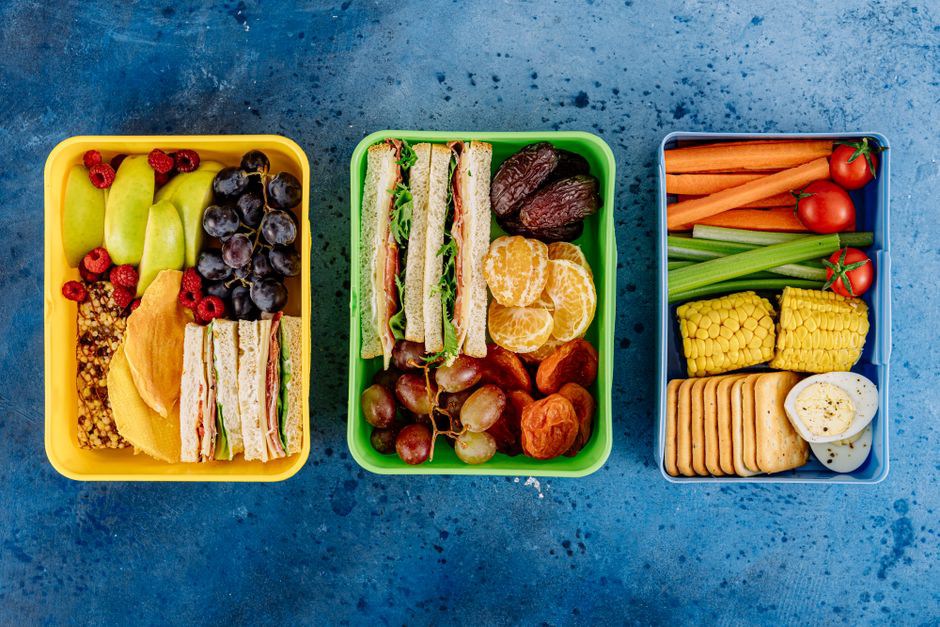
Dried fruit is easy to grab at 3 p.m., but on its own it may not hold you for long. Pairing a carbohydrate food with protein, fat, or both usually makes for a more satisfying snack: an apple with turkey slices, roasted sweet potato with leftover chicken, or berries with coconut yogurt if it suits your approach. The goal is not to turn snacks into miniature desserts or tightly control appetite. It is simply to cover a genuinely long gap between meals with food that feels practical and filling.
In a Paleo-style eating pattern, snacks often revolve around minimally processed foods: meat, fish, eggs where included, vegetables, fruit, nuts, seeds, and fats. The details vary from person to person. Someone in an elimination phase may be avoiding eggs, nuts, nightshades, or dairy, while standard Paleo is generally less restrictive than the autoimmune protocol (AIP). A useful snack plan works within those boundaries without suggesting that everyone needs a restrictive diet.
When a snack supports energy—and when it masks an underpowered meal
Between-meal hunger is not automatically a problem. It may reflect a longer-than-usual break between meals, physical activity, poor sleep, an irregular schedule, or a meal that simply was not substantial enough. Before building a big snack routine, look at the meals around it. A lunch of salad greens, a small serving of chicken, and dressing may be nutrient-dense, yet still too light for an active afternoon. Adding a meaningful serving of protein, a starchy vegetable, and fat at lunch may work better than relying on several snacks later.
Snacks can be particularly useful when meals are widely spaced, during travel, around activity, or on days when nausea, low appetite, or a packed schedule makes a full meal difficult. For some people with digestive discomfort, smaller and simpler eating occasions may feel easier than one very large meal. That is something to test gently, not a universal rule.
Physical cues can help separate hunger from the urge for stimulation or a familiar break in the day. Hunger often builds gradually and makes ordinary food sound appealing. A sudden craving for one highly palatable food may be influenced by stress, fatigue, habit, or restriction. Neither experience needs judgment. Eat enough at regular meals, keep a satisfying option nearby, and pay attention to recurring patterns.
Build snacks around staying power
A helpful starting point is protein or substantial fat + produce or a slow-digesting carbohydrate. Think of it as a flexible guide, not a macro target. Protein often adds the staying power missing from grab-and-go Paleo snacks. Produce brings flavor, fluid, fiber, and micronutrients. Fruit and starchy vegetables can also be useful carbohydrate sources, especially around activity or when very low carbohydrate intake leaves you tired, irritable, or overly focused on food.
Protein-forward options
- Leftover roast chicken or turkey with cucumber, carrots, or roasted zucchini.
- Hard-boiled eggs with cherry tomatoes and a small pinch of salt, if eggs are tolerated and included.
- Tinned salmon, sardines, or tuna packed in a small container with celery, sliced radish, or avocado. Check labels for oils, sweeteners, or sauces that do not fit your food boundaries.
- Homemade meatballs or burger patties prepared simply enough to fit your plan, served cold or reheated.
- Unsweetened meat jerky or meat sticks with fruit. They travel well, though ingredients and sodium levels vary, so they are often best kept as a backup rather than an everyday staple.
Produce and energy-containing carbohydrates
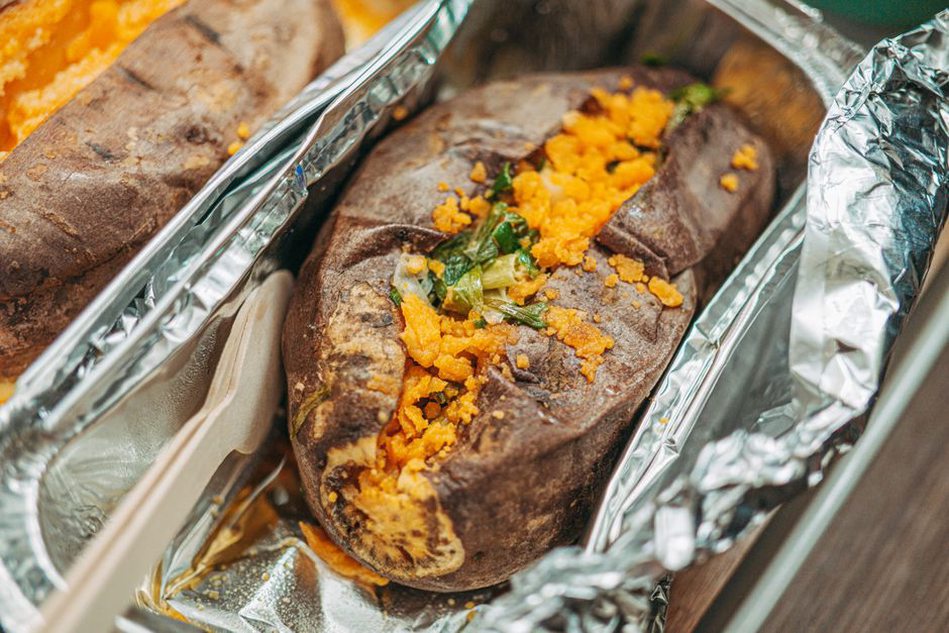
- Roasted sweet potato rounds with shredded chicken, avocado, or a simple salmon salad.
- Banana with a compliant nut or seed butter, where tolerated.
- Apple or pear with almond butter on standard Paleo, or coconut butter for a nut-free option.
- Plantain slices baked or air-fried and paired with guacamole or a protein food.
- Berries with unsweetened coconut yogurt, provided the product fits your ingredient preferences and agrees with your digestion.
If a snack needs to cover a delayed meal, make it more substantial: salmon with a baked sweet potato, a small container of chicken soup with vegetables, or leftover meat with squash and avocado. A snack does not need to be tiny. The useful question is whether it fits the time until your next meal.
Paleo, AIP, and elimination-phase differences
A conventional Paleo snack menu may include eggs, almonds, cashews, nut butter, seed crackers, or cocoa-based treats. During the elimination stage of AIP, common exclusions include eggs, nuts, seeds, dairy, grains, legumes, and nightshade vegetables, among others. Many popular Paleo snack recipes are therefore unsuitable during this phase, even when they are grain-free.
During a stricter elimination phase, simple foods can be easier to prepare and assess: cooked chicken, salmon, fruit, avocado, carrots, cucumber, roasted squash, sweet potato, gelatin-based fruit snacks made with compatible ingredients, or coconut products if tolerated. Variety still matters. A small portion of leftover stew may be more appealing than another handful of raw vegetables.
Elimination diets are tools for a defined purpose, not a test of willpower or a default lifelong eating pattern. If planning becomes too narrow, they can make it harder to meet energy and nutrient needs. Discuss persistent digestive symptoms, unintentional weight changes, food fear, faintness, ongoing fatigue, or difficulty eating enough with a physician and, when possible, a dietitian familiar with elimination approaches. Dietary changes should also be discussed with a clinician if you have a chronic condition, are pregnant, are feeding a child, or have a history of disordered eating.
When reintroductions are part of the plan, keeping snacks fairly consistent can help. Changing several foods at once makes it harder to notice patterns. The blog’s guide to tracking food sensitivity symptoms without over-restricting your diet explains why structured notes are often more useful than reacting to a single symptom. A diary might include the food, portion, time eaten, preparation, sleep, stress, activity, and symptoms—without treating every sensation as proof of intolerance.
Choose snack formats that travel well
Convenience often determines whether a snack plan gets used. Fresh food is great when it is available, but shelf-stable backups can prevent you from reaching the point of extreme hunger and settling for the only option nearby. A small insulated bag and ice pack make a workday, commute, or appointment much easier to manage.
| Situation | Useful Paleo-style option | Practical detail |
|---|---|---|
| Short errand or commute | Banana with a single-serve nut or seed butter | Keep the packet separate until eating to avoid mess. |
| Desk or travel day | Jerky plus an apple; tinned fish with plain vegetable sticks | Check for added sugar and keep a utensil or napkin nearby. |
| After exercise | Chicken and roasted sweet potato; eggs and fruit | Use an insulated container if it will sit for several hours. |
| Long gap between meals | Leftover soup, stew, or a small meal box | Pack enough to be genuinely filling, not merely a few bites. |
Food safety matters as much as ingredients. Cooked meat, fish, eggs, and cut produce should not sit at room temperature for extended periods. Use an ice pack for perishable foods, refrigerate them promptly when possible, and discard food that has been held unsafely. Shelf-stable foods are useful, but they are not automatically more nutritious; the ingredient list still counts.
Make snacks gentler on digestion
“Paleo” does not automatically mean easy to digest. Large portions of raw cruciferous vegetables, dried fruit, sugar alcohols, onions, garlic, fatty processed meat, or nuts can bother some people. What matters is personal tolerance, portion size, and context—not whether a food has been labeled good or bad.
If a snack regularly brings bloating or discomfort, simplify before cutting out broad categories of food. Try a smaller serving, cooked vegetables instead of raw ones, a slower pace of eating, or separating a very high-fat food from a large amount of fruit. Look for repetition over several occasions. Stress, menstrual cycle changes, constipation, illness, and rushed meals can all affect symptoms, so one reaction rarely gives a clear answer.
Fiber is still important, but abruptly adding large servings of raw produce, coconut-flour products, or dried fruit can be uncomfortable. A mix of cooked vegetables, fruit, roots and tubers, and tolerated nuts or seeds may be easier to manage than relying heavily on one concentrated source. Drink according to thirst and leave room for regular meals. Snacks should not become a way to eat hurriedly all day without noticing fullness.
A low-effort preparation routine
One preparation session can cover several days without requiring separate snack recipes. When you make dinner, cook extra protein and add another tray of vegetables or sweet potatoes. Cool and portion them into containers. Wash fruit, cut sturdy vegetables such as carrots or cucumbers, and keep a few shelf-stable items in a bag or desk drawer.
- Choose two protein options, such as eggs and cooked chicken, or salmon and meatballs.
- Choose two produce or carbohydrate options, such as apples and roasted sweet potato.
- Add one flavor element that fits your plan: avocado, olive oil dressing, coconut butter, herbs, or a tolerated dip.
- Pack portions for the actual length of time before your next meal.
- At the end of the week, review what was eaten. Keep preparing satisfying snacks, and skip foods that repeatedly go untouched.
For broader meal structure, this guide to making AIP meals more filling and easier to plan is especially useful when frequent snacking seems to follow meals that are too small or insufficiently balanced.
A practical first experiment is to prepare three identical afternoon boxes: a palm-sized serving of leftover protein, a fist-sized portion of roasted sweet potato or fruit, and a few cooked vegetables. Use them on days when lunch and dinner are far apart, then notice whether you arrive at dinner comfortably hungry rather than urgently hungry. That pattern can tell you more than calorie counts or food rules alone.