When a pan starts smoking before the vegetables are tender, the result can be bitter food and a kitchen full of irritating fumes. On Paleo and the autoimmune protocol (AIP), choosing a cooking fat is about more than whether it is allowed. Heat, freshness, flavor, and your own digestive comfort all matter.
Paleo eating generally favors fats from minimally processed foods, including olives, avocado, coconut, and animal foods, while limiting industrially refined seed oils. During the AIP elimination phase, the list becomes narrower because seeds and nuts, along with their oils, are excluded. A small group of reliable fats can cover most everyday cooking.
The core AIP-friendly cooking fats
Most AIP kitchens rely on extra-virgin olive oil, avocado oil, coconut oil, animal fats, and sustainably sourced palm oil. Each has its place. A fat may be suitable for the protocol yet still be a poor match for high heat, a particular recipe, or someone’s digestion.
| Fat | Best everyday uses | Practical considerations |
|---|---|---|
| Extra-virgin olive oil | Dressings, low-to-medium heat sautéing, finishing cooked food | Distinct flavor; buy smaller bottles if use is slow |
| Avocado oil | Roasting, sautéing, pan cooking at moderate-to-higher heat | Neutral flavor; choose a reputable product with a fresh aroma |
| Coconut oil | Baking, curries, gently frying fruit or vegetables | Firm when cool; refined versions are milder in flavor |
| Animal fat | Roasting roots, searing meat, savory skillet dishes | Use fresh, well-rendered fat; flavor varies by source |
| Palm oil | Recipes needing a firm, heat-stable fat | Choose products with transparent responsible sourcing where possible |
Olive oil works well as both a cooking fat and a finishing ingredient. Toss a spoonful with cooked vegetables, fish, or a warm sweet potato to add richness without keeping it over high heat for long. Extra-virgin olive oil has naturally occurring flavor compounds and is usually more assertive than refined olive oil, which makes it especially good in simple dishes.
Match the fat to the cooking method
Smoke point is useful, but it is only one part of the picture. It marks the temperature at which visible smoke appears, while an oil’s stability is also affected by its fatty-acid profile, refining, age, repeated heating, exposure to light, and time spent hot. For home cooking, the practical rule is simple: do not let fats smoke heavily, and do not repeatedly reuse oil that has been heated for frying.
Low and medium heat
For softening onions, cooking greens, or reheating vegetables, extra-virgin olive oil, coconut oil, and rendered animal fat can all work well. Keep the heat moderate. If food starts sticking before it is tender, add a splash of water or broth rather than turning the burner up just to keep the pan moving.
Roasting and hotter pan cooking
Avocado oil is useful for sheet-pan meals and hotter skillet cooking because its mild flavor does not take over the dish. Rendered beef fat, duck fat, lard, and tallow can also give roasted vegetables a crisp, savory finish. The right choice comes down to personal preferences and sourcing; animal fat is not automatically better than plant fat.
Coconut oil suits recipes where a light coconut flavor makes sense, such as baked squash, plantain dishes, and curries. Refined coconut oil is usually more neutral, while virgin coconut oil retains more coconut aroma. Both are coconut-derived and generally fit the AIP elimination phase.
What Paleo and AIP usually leave out
The AIP elimination phase excludes oils pressed from seeds, including sesame, sunflower, safflower, flaxseed, pumpkin seed, mustard seed, and cumin seed oils. Nut oils, such as walnut and almond oil, are also left out because nuts are removed during elimination. These rules belong to the protocol; they do not mean every seed or nut oil causes symptoms for every person.
Conventional Paleo approaches also commonly limit highly refined industrial seed oils, including soybean, corn, cottonseed, canola, and generic “vegetable oil.” They are common in restaurant frying, packaged sauces, chips, crackers, and mayonnaise. When a label lists only “vegetable oil” without naming its sources, choosing a product with clearly identified ingredients can make shopping easier.
Ghee needs a separate mention. It is common in Paleo cooking because most milk solids have been removed, but strict AIP elimination excludes dairy, including ghee. It may be considered later as an individual reintroduction. Introduce one food at a time and track symptoms calmly rather than drawing conclusions from a single meal.
Freshness matters more than a perfect label
Fats oxidize over time, especially with repeated exposure to heat, air, and light. Rancid oil may smell like stale nuts, crayons, old paint, or an unpleasantly sharp version of its normal aroma. There is no need to worry over every bottle, but oil that clearly smells or tastes off is best discarded.
- Buy a bottle size you can realistically finish within a few months after opening.
- Store oils away from the stove, direct sunlight, and warm windowsills.
- Keep lids tightly closed and avoid pouring unused oil back into the bottle.
- Use dark glass or opaque containers when available, especially for olive oil.
- Label rendered fat with the date it was made or opened.
Extra-virgin olive oil is usually best stored in a cool, dark cupboard. Coconut oil is stable at room temperature in many homes, though it may melt and solidify as temperatures change. Rendered fat lasts longer in the refrigerator or freezer, particularly when it contains any residual food particles.
Digestive comfort and portion size
Even an AIP-compliant fat can feel heavy when a meal is very rich or fat intake rises quickly. Large amounts of added oil may contribute to nausea, fullness, loose stools, or upper-abdominal discomfort in some people. These symptoms can have many causes, so they are not a basis for self-diagnosing an intolerance or digestive condition.
A useful adjustment is to start with modest amounts: enough to cook the food and make the meal satisfying, rather than adding several tablespoons by default. Spread fats across meals, pair them with protein and carbohydrate-containing foods, and look for patterns over several days. A simple food-and-symptom record is often more helpful than removing several fats at once.
If rich meals are difficult, cooking methods can matter as much as the ingredients. Braise vegetables in broth, measure a teaspoon of oil for the pan, or finish a meal with a little olive oil instead of deep-frying or making every dish rich. The post Digestive Enzymes on AIP: What They Do and When to Seek Help also explains why persistent digestive symptoms deserve careful evaluation rather than guesswork.
A simple buying and cooking routine
Keeping two or three fats in the kitchen is usually more practical than searching for one “best” oil. Use extra-virgin olive oil for salads and finished dishes, avocado oil for roasting and hotter skillet meals, and coconut oil or rendered fat when their flavor and texture suit the recipe. This keeps the pantry useful without turning food rules into something overly rigid.
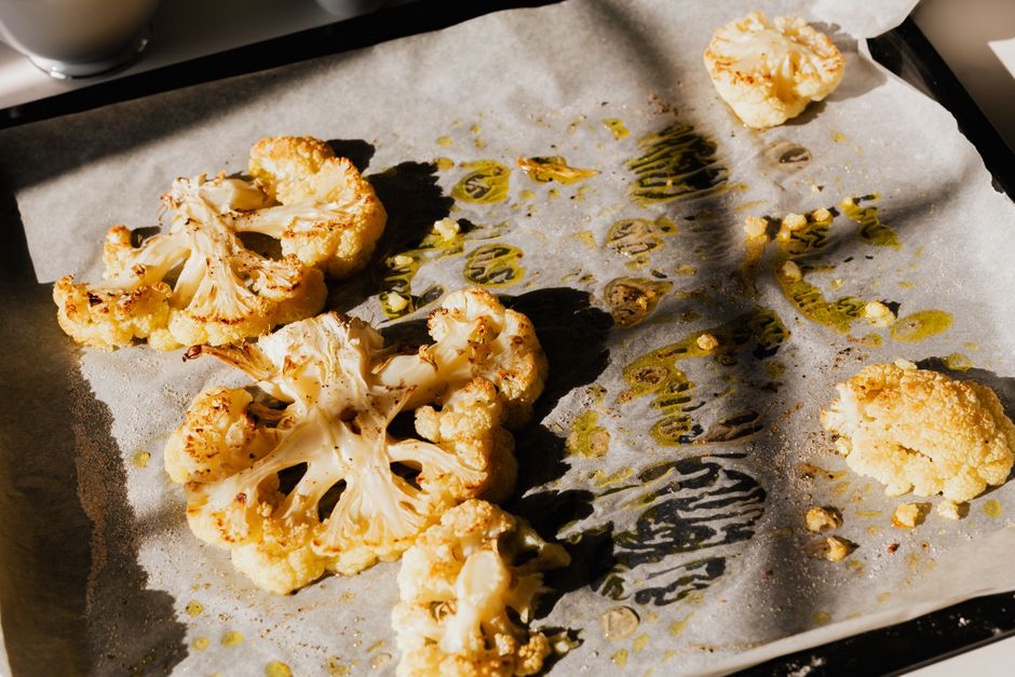
For an easy AIP sheet-pan dinner, toss cubed sweet potato, carrots, and chicken thighs with enough avocado oil to lightly coat them, plus salt and AIP-friendly herbs. Roast until the chicken is fully cooked and the vegetables are tender, then add a small drizzle of extra-virgin olive oil after cooking if you like. If symptoms persist, worsen, or restrictive eating is becoming difficult to manage, discuss the symptoms and any dietary changes with a physician or registered dietitian.