
A useful Paleo meal-prep session does not mean cooking every meal for the next seven days. A few dependable components are enough: a protein, two or three vegetables, a satisfying starch if it suits your approach, and a simple sauce or seasoning. With those basics on hand, lunch can take five minutes to assemble without turning Sunday into a second workday.
For people following Paleo, AIP, or a personal elimination plan, preparation can also limit accidental exposure to ingredients they are avoiding. When meals are built from familiar foods at home, it is easier to see whether a sauce contains dairy, grains, soy, nightshades, or another excluded food. The point is not perfection or an ever-growing list of rules. It is to make nourishing food easier to reach for when time and energy are short.
Start with a realistic planning window
Plan for the next three or four days rather than an ideal full week. Cooked food has a limited refrigerator life, schedules change, and too much repetition can lead to waste or food fatigue. A shorter window covers the busy days while leaving room for a quick midweek refill.
Before shopping, look at the actual pressure points in your week: early meetings, long commutes, children’s activities, post-workout hunger, or evenings when cooking will not be realistic. Prepare for those meals first. If Tuesday and Thursday lunches are consistently difficult, make those lunches the non-negotiable part of the plan.
Use a component formula instead of a strict menu
A component plan is often more flexible than assigning a different recipe to every day. Choose one or two items from each category:
- Protein: roast chicken thighs, baked salmon, turkey patties, slow-cooked beef, hard-boiled eggs if tolerated, or canned fish with simple ingredients.
- Vegetables: roasted carrots, zucchini, green beans, broccoli, sautéed greens, cabbage, cucumber, or salad leaves.
- Starchy produce: sweet potatoes, winter squash, plantains, cassava, or regular potatoes if they fit your version of Paleo and tolerance.
- Flavor builders: olive oil, lemon, garlic, fresh herbs, ginger, coconut aminos, compliant pesto, or a blended herb sauce.
- Convenience backups: frozen vegetables, pre-washed greens, frozen cooked shrimp, unsweetened applesauce, or single-ingredient canned fish.
One batch of chicken can become a warm bowl with squash and greens, a large salad with cucumber and avocado, or a quick skillet meal with leftover vegetables. Variety can come from combinations and seasoning rather than seven complicated recipes.
Make the shopping list serve the prep plan
A long list of aspirational ingredients can get in the way of cooking. Build your list around meals you can make with the equipment, time, and energy you actually have. Check the freezer and pantry first, then buy only what is needed to round out your planned components.
For each meal, identify the anchor ingredient: the protein or substantial leftover that makes it feel like a meal. Buy enough anchors for the meals you need, then choose vegetables that can cook together. A sheet pan of chicken thighs, carrots, and broccoli, for example, takes little hands-on work and provides several servings.
Keep a short emergency-food list
Busy periods call for foods that need almost no preparation. These options are not a meal-prep failure; they are part of a system that works on difficult days. Keep a few choices available that fit your own dietary boundaries:
- Plain canned salmon, sardines, tuna, or chicken
- Frozen plain burger patties or fish fillets
- Bagged salad greens and pre-cut vegetables
- Microwavable or ready-cooked plain sweet potatoes when available
- Olives, avocado, fruit, and simple leftovers
- Homemade portions from the freezer
Canned salmon with greens, leftover sweet potato, olive oil, and lemon is a legitimate meal. It does not need a recipe title to be useful.
Choose cooking methods that overlap
The quickest prep sessions rely on cooking several things at once. Turn on the oven, start a hands-off item in a slow cooker or pressure cooker if you use one, and prepare a raw component while the cooked food is underway. Skip recipes that each need a separate pan, temperature, and hour of attention.
A practical 75-minute session might look like this:
- Heat the oven and line two sheet pans.
- Put chicken thighs on one pan and cubed sweet potatoes plus carrots on the other.
- Set a pot of water to boil for eggs, if included in your plan.
- Wash greens, slice cucumbers, and mix a simple lemon-herb dressing while the oven is working.
- Cool cooked food promptly, portion what will be eaten within a few days, and freeze extra servings.
Batch cooking does not require batch seasoning. Keep salt, herbs, lemon, or a mild sauce separate until serving when household members have different preferences or when you are testing tolerance to certain ingredients. During a structured elimination phase, simple ingredients can also make a food-and-symptom record easier to interpret.
Build meals for staying power
A container of lean protein and raw vegetables may look virtuous, yet leave you hungry an hour later. On a busy day, under-eating can make convenience foods and unplanned choices more tempting. Include enough energy through protein, fats, and carbohydrate-containing whole foods according to appetite, activity, medical needs, and personal tolerance.
The most comfortable balance for digestion is individual. Some people do better with a moderate portion of cooked vegetables than a very large raw salad. Others find it easier to spread fats across meals rather than eat one especially rich meal. If you regularly experience bloating, pain, reflux, bowel changes, or unintended weight change, do not try to address it solely by restricting more foods. Discuss persistent symptoms and significant dietary changes with a clinician or registered dietitian.
For a deeper look at arranging protein, carbohydrate, and fats in Paleo meals, Balancing Paleo Macros for Better Digestive Comfort explores practical meal patterns without treating digestion as one-size-fits-all.
A simple packed-meal template
| Component | Practical portion cue | Examples |
|---|---|---|
| Protein | Make it the anchor of the container | Chicken, beef, fish, turkey, eggs if tolerated |
| Cooked produce | Add one or two vegetables that reheat well | Carrots, zucchini, green beans, squash |
| Starchy produce | Include when it supports fullness and energy | Sweet potato, plantain, cassava, squash |
| Fat and flavor | Pack separately when possible | Olive oil dressing, avocado, herbs, lemon |
Portion sizes are not universal. Someone who is physically active, commutes for hours, or is recovering from illness may need a different amount of food. Let hunger, fullness, energy, and any professional guidance shape what you pack.
Prep with food safety in mind
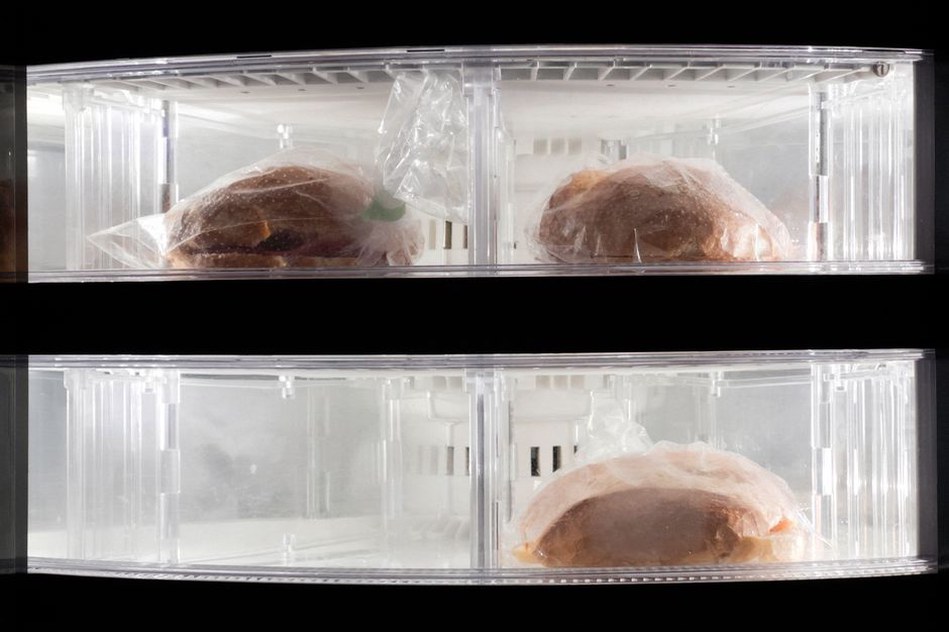
Storage matters as much as cooking. Refrigerate perishable cooked food promptly in shallow containers so it cools efficiently. Keep the refrigerator at or below 4°C/40°F, use cooked leftovers within a few days, and freeze portions that will not be eaten soon. Reheat food until steaming hot, and avoid repeatedly cooling and reheating the same container.
Label freezer containers with the contents and date. A strip of masking tape prevents the familiar mystery-container problem and makes it easier to rotate food before quality declines. Freeze single-meal portions flat when possible; they thaw faster and fit more easily into a crowded freezer.
For work or travel days, pack cold foods in an insulated lunch bag with ice packs if refrigeration is uncertain. Foods containing meat, fish, eggs, or cooked vegetables should not remain at room temperature for extended periods. If you are unsure whether perishable food was stored safely, discard it rather than relying on smell alone.
Reduce decision fatigue with repeatable defaults
The most sustainable approach often includes a few intentionally repetitive meals. A default breakfast, dependable desk lunch, and freezer dinner can remove dozens of small decisions each week. Keep busy weeks simple, while rotating proteins and produce over time so repetition does not become nutritional neglect.
Useful defaults might include:
- Breakfast: leftover roasted vegetables with turkey patties, or a prepared sweet potato topped with eggs if included in your diet.
- Lunch: chicken, roasted vegetables, and olive oil-lemon dressing packed in separate containers.
- Dinner: frozen pulled meat warmed with frozen vegetables and a baked potato or squash.
- Snack backup: fruit with leftover protein, vegetables with a simple dip that fits your plan, or canned fish with cucumber slices.
Snack needs vary. Some people prefer three substantial meals, while others need something portable between commitments. If snacks help bridge a long gap, the ideas in Paleo Snack Ideas That Keep You Satisfied Between Meals can help you choose combinations with more staying power than fruit alone.
Adapt meal prep for elimination diets without becoming more restrictive
An elimination approach, including AIP, can make convenience cooking more complicated because ingredient lists and sauces matter. That does not mean food choices need to become narrower indefinitely. Use a small rotation of clearly tolerated meals during the planned elimination period, then follow a deliberate reintroduction process with appropriate professional support when relevant.
Cook plain base foods and add optional ingredients separately. One tray of roasted vegetables can work for a family with different needs when toppings are kept apart. One person might add a nightshade-based sauce, while another uses lemon and herbs. This avoids making multiple complete dinners while keeping the ingredients clear.
If you are tracking possible food reactions, record more than the food itself: portion size, preparation, meal timing, sleep, stress, illness, and symptoms over time all matter. One uncomfortable day rarely identifies a cause, and broad food avoidance can make it harder to meet nutrition needs. Persistent symptoms, a history of eating-disorder concerns, pregnancy, childhood dietary changes, chronic disease, or substantial unintentional weight loss warrant individualized guidance from a qualified healthcare professional.
Use a two-stage weekly rhythm
Rather than depending on one large weekend session, try a primary prep followed by a short reset. On the first day, cook proteins, roast vegetables, wash produce, and freeze a few portions. Midweek, restock one fresh vegetable, cook a second protein, and move a freezer portion into the refrigerator to thaw. This 20-minute reset can prevent the familiar Thursday-night gap when the prepared food has run out.
For example, move two labeled portions of shredded beef from the freezer to the refrigerator on Wednesday morning. That evening, roast zucchini and carrots while washing salad greens. Pack Thursday’s lunch with beef, vegetables, and a sweet potato cooked over the weekend. The meal is ready through simple assembly, not another full cooking project.