A shirt worn for two hours at a desk probably doesn't need the same care as one worn through a hot commute. Before tossing either in the hamper, check for odor, visible dirt and areas that have stretched out. If a shirt still feels clean and comfortable, let it air out and wear it again. Washing it automatically means extra friction, water and detergent exposure without much benefit.
Clothes age through wear, washing, heat, sunlight and storage. You don't need to keep everything pristine; you just need to care for each garment in a way that suits its fabric and how you use it.
Give clothes a pause between wears
After wearing a jacket, sweater or pair of trousers, hang it somewhere air can circulate instead of putting it straight into a crowded closet. Let damp areas, particularly waistbands and underarms, dry before storing it. If a garment still smells musty or has body odor after airing, wash it. Airing won't clean soiled clothes.
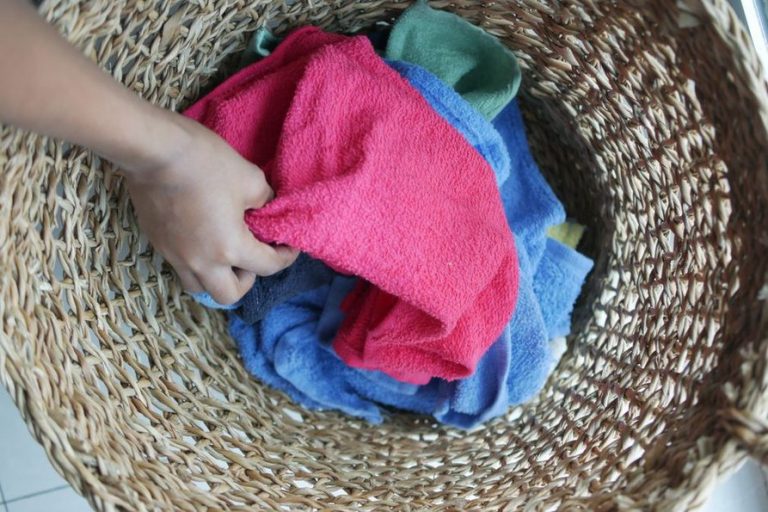
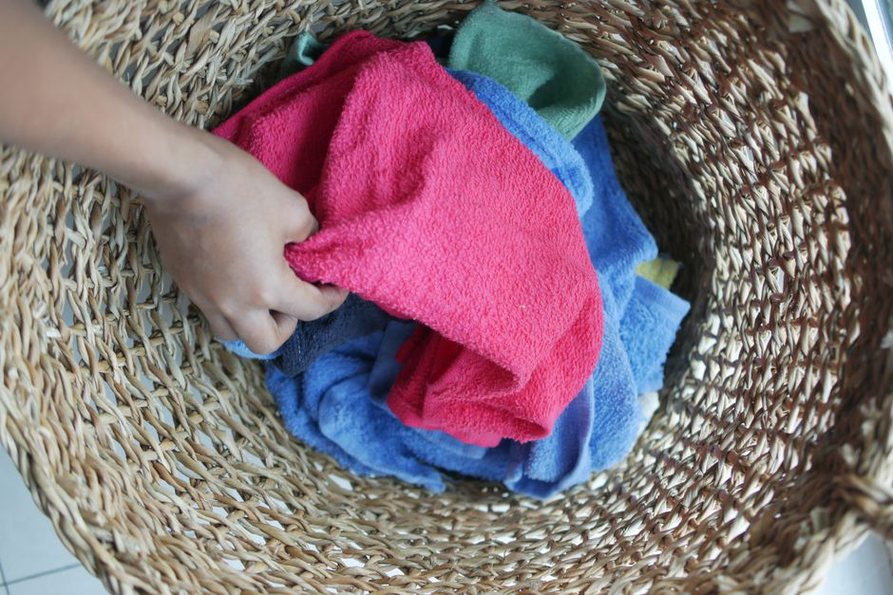
Underwear, socks and clothes worn for sweaty exercise generally need washing after each use. Other garments may be worn again, depending on sweat, spills, weather and your comfort. Give worn-but-clean clothes a designated spot away from fresh laundry. A heap on a chair can trap moisture and develop a stale smell.
Rotate frequently worn items when you can. Shoes and trousers worn every day get little time to dry or regain their shape. You don't have to buy more: try reaching for something already in your wardrobe instead of the item on top.
Prevent damage before laundry day
Empty pockets before washing. Coins, pens and tissues can cause trouble for clothes and the machine. Close zippers and hook-and-eye fasteners so they don't snag other fabrics. Leave ordinary buttons undone to reduce stress on buttonholes during agitation, unless the care instructions say otherwise.
Turn printed T-shirts, dark garments and decorated clothes inside out. It won't stop fading or abrasion, but it can reduce rubbing on the visible side. Put bras, tights and other delicates in a mesh bag, with clasps closed. The bag helps prevent tangling; it won't protect fabric from a cycle that's too hot or vigorous.
Sort by fabric weight as well as color. Jeans and towels can abrade lightweight shirts even when their colors match. Keep lint-shedding items away from fabrics that attract lint, and wash heavily soiled clothes separately so lightly worn pieces don't need a more intensive cycle.
Use the gentlest wash that gets clothes clean
Start with the care label: it sets limits for water temperature, machine washing and drying. Within those limits, pick a cycle that suits the fabric and how dirty it is. Cool or warm water often works for everyday wear, though some loads need a different temperature for hygiene or stain removal. Follow the detergent directions and your machine's guidance rather than assuming more heat or soap will clean better.
Measure detergent instead of pouring by habit. Too much may rinse poorly and leave fabric stiff or dull; too little can leave soil behind. The right amount depends on the product, load size, dirt level and water hardness. If clothes keep coming out with residue, check the dose and whether the drum is overfilled before adding another product.
Clothes need room to move through the wash and rinse. Pack the drum too tightly and they may come out unevenly cleaned and twisted. An almost empty machine isn't automatically gentler, either. Use the appropriate load setting if your machine has one, and group similar items into practical loads. For wool, silk or structured pieces, follow the garment's instructions; a generic delicate cycle isn't permission to machine-wash them.
Handle stains before they become harder to remove
Blot a fresh spill with a clean cloth rather than rubbing it into the fibers. Gently lift off any solid material, then check the care label before applying water or a stain remover. Test a treatment on a hidden area, especially with dyed or delicate fabric. Stains call for different approaches, so choose a product suited to the stain and material instead of mixing cleaners.
Check the stain before putting the garment in the dryer: heat can make some marks harder to remove. If the first wash didn't work, repeat a suitable pretreatment and try again. For a valuable, delicate or dry-clean-only piece, a professional may be the safer choice, particularly if you don't know what caused the stain.
Dry without unnecessary heat or stretching
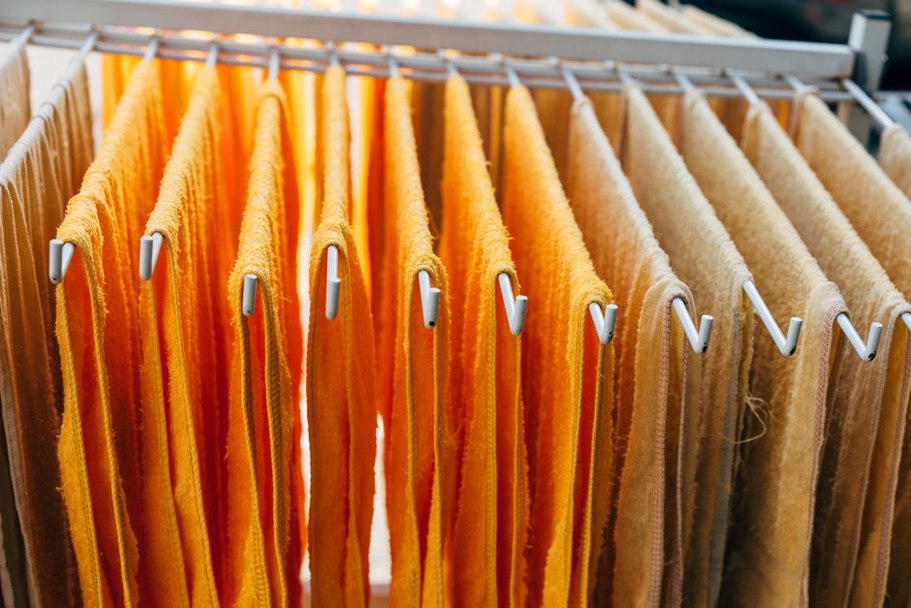
Heat and tumbling can contribute to shrinkage, worn elastic, fading and surface abrasion. When the label allows it, air-dry clothes you want to protect. Shake out shirts and trousers, smooth their seams and leave enough space for air to reach both sides. Keep brightly colored pieces out of strong direct sun for long periods; some dyes fade in sunlight.
Wet knits can stretch on a hanger. Reshape sweaters and other heavy knitted items, then dry them flat on a clean surface or rack. For woven shirts, choose hangers that support the shoulders without leaving sharp points. In a humid room, improve ventilation and give clothes more time rather than folding them while they still feel cool and damp.
If you use a dryer, choose a setting the label allows and take clothes out once they're dry. Letting a finished load tumble longer adds heat and movement. Clean the lint filter as directed so the dryer works properly. Check labels carefully before using high heat on elastic, bonded details or printed designs.
Store clothes so they keep their shape
Put away only clean, fully dry clothes. Food residue and body oils can leave marks over time, while moisture can lead to musty odors. Before seasonal storage, wash or clean garments, let them dry completely and choose a spot away from leaks and excessive heat. If pests are a concern where you store clothes, use suitable closed containers and check their contents now and then.
Fold heavy sweaters instead of hanging them by the shoulders. Give jackets, dresses and shirts hangers wide enough to support their shape, with a little space between garments. Crowding creates deep creases and can hide a loose button or stain. Store shoes dry, loosen their laces if needed, and don't crush soft bags or hats under heavier items.
Small handling habits matter too. Support a top's fabric when taking it off rather than tugging at the neckline. Open a shoe's heel properly instead of stepping on the back. If a zipper catches, stop and free the trapped fabric before pulling again. Those stress points can fail while the rest of the garment still looks fine.
Catch small problems while they are still small
As you put away frequently worn clothes, look for a button hanging by a thread, an opening seam or a hem that catches underfoot. Set the item aside for repair before another wash and wear cycle. A small split can widen under strain, and a loose button is easier to reattach before it disappears.
Use a suitable fabric comb or shaver to remove pills, but work lightly: aggressive scraping can thin or snag the cloth. Test a discreet spot first, especially on loose knits. Pilling is a normal result of fibers rubbing together. Removing it improves the look of a garment, not the condition of worn fibers.
Keep a needle, matching thread and spare buttons together in a small repair spot. When a shirt button starts to wobble, put the shirt there before the next laundry load. It's a much easier fix while the button is still attached.