
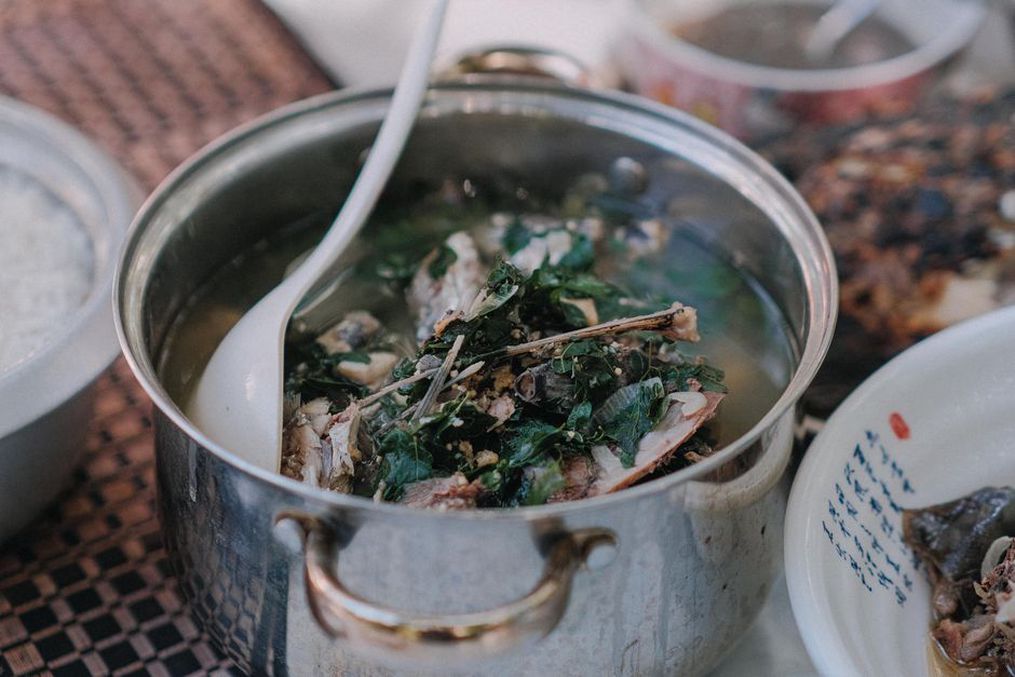
The Benefits of Bone Broth
Bone broth is a staple for many on paleo and elimination diets, celebrated for its rich nutrients and potential health perks. Packed with collagen, gelatin, and amino acids, it supports digestion and bolsters the immune system. These components may help fortify the gut lining, which is vital for those with food sensitivities or autoimmune challenges.
What Makes Bone Broth Special?
The magic of bone broth comes from its lengthy simmering process. This method extracts minerals, collagen, and gelatin from bones and connective tissues, enriching the broth with nutrients and breaking down proteins into easily absorbed forms. It's a gentle choice for those with sensitive digestive systems.
How to Make Bone Broth at Home
Making bone broth at home is simple and requires just a few ingredients and basic kitchen tools. Here's a straightforward recipe to guide you:
Ingredients
- 2 pounds of grass-fed beef bones or organic chicken bones
- 2 tablespoons of apple cider vinegar
- 1 onion, quartered
- 2 carrots, chopped
- 2 celery stalks, chopped
- 2-3 garlic cloves, crushed
- 1 bay leaf
- Salt and pepper to taste
- Water to cover
Instructions
- Prepare the Bones: Preheat your oven to 400°F (200°C). Roast the bones on a baking sheet for 20-30 minutes to deepen the flavor.
- Combine Ingredients: Move the roasted bones to a large pot or slow cooker. Add the apple cider vinegar, vegetables, and bay leaf. Cover the bones with water by about an inch.
- Simmer: Bring to a boil, then lower to a simmer. Skim off any foam. For a rich broth, let it simmer for 12-24 hours, adding water as needed to keep the bones submerged.
- Strain: After simmering, let it cool slightly and strain through a fine-mesh sieve into a large bowl, discarding the solids.
- Store: Pour the broth into glass jars, leaving room at the top if freezing. Refrigerate for up to a week or freeze for longer storage.
Incorporating Bone Broth into Your Diet
Bone broth is a versatile ingredient. Here are some ideas to include it in your meals:
- Sipping: Enjoy a warm cup of bone broth as a soothing drink.
- Cooking: Use it as a base for soups, stews, or sauces for added flavor and nutrition.
- Grains: Cook rice or quinoa in bone broth instead of water for a nutrient boost.
Understanding the Broth's Role in Gut Health
Bone broth's contribution to gut health is linked to its gelatin and collagen content, which may aid in repairing the intestinal lining. This is especially helpful for those on an autoimmune protocol or dealing with leaky gut syndrome. For more on the relationship between diet, gut health, and immune response, check out our article The Autoimmune Connection: How Diet, Gut Health, and Immune Response Interact.
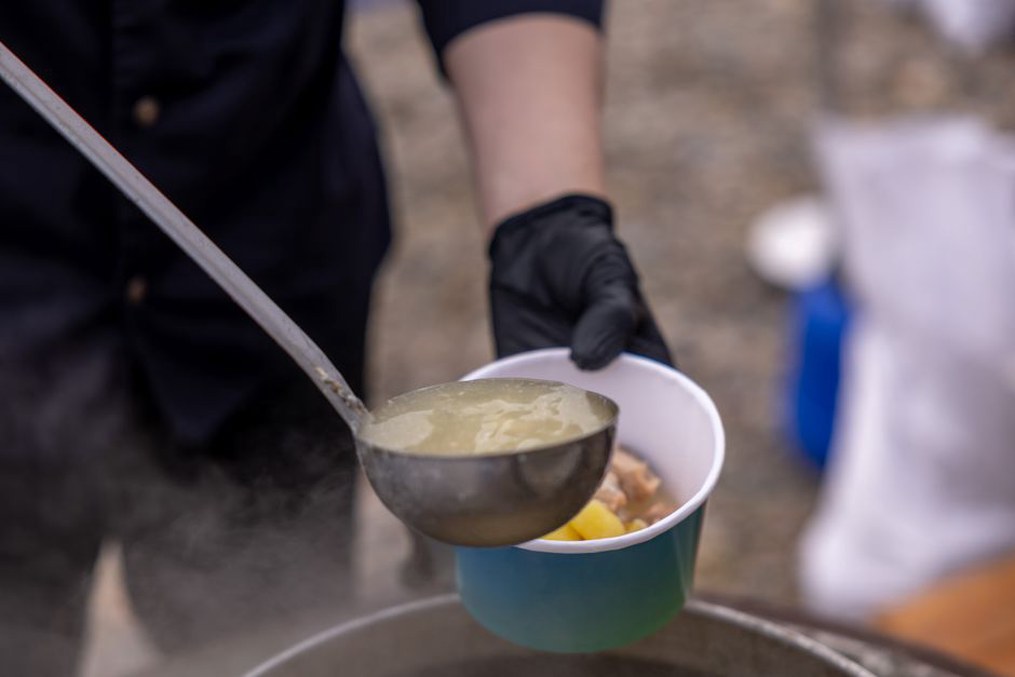
Final Thoughts
Making bone broth at home gives you control over the ingredients and allows you to enjoy the full benefits of this nourishing drink. Whether you're aiming to improve your gut health, enhance your immune system, or simply savor a tasty and nutritious beverage, bone broth is a valuable addition to your diet. Always consider consulting a healthcare professional about any ongoing symptoms or dietary changes to ensure they meet your health needs.