I have lost count of how many patients walk into my office clutching a SIBO breath test result, convinced that wiping out a specific set of bacteria will fix their bloating, brain fog, and fatigue. The theory is neat: SIBO is the root cause, treat the overgrowth, reclaim your health. But after years of working with elimination diets and tracking real-world outcomes, I have seen this narrow approach lead to frustration, repeated relapses, and missed opportunities for deeper healing.
Why the SIBO-Centric View Falls Short
The "My Health My SIBO" hypothesis treats small intestinal bacterial overgrowth as an independent root cause. In reality, SIBO is almost always a downstream consequence of something else: impaired motility, low stomach acid, structural abnormalities, or immune dysfunction. Treating the overgrowth without addressing the underlying terrain is like weeding a garden while ignoring the soil quality. The weeds will return.
Research from the past decade has shown that the small intestine is not a sterile tube; it harbors a diverse microbial community. Overgrowth is a matter of quantity, location, and species composition—not a binary yes/no condition. Breath tests, the standard diagnostic tool, have high false-positive and false-negative rates, and they cannot tell you whether the bacteria are truly pathogenic or simply part of a transient imbalance. Many people who test positive for SIBO have no symptoms, and many with classic SIBO symptoms test negative.
The low-FODMAP or specific carbohydrate diets often recommended for SIBO can reduce symptoms temporarily, but they also restrict prebiotic fibers that feed beneficial bacteria. Over time, this can shrink the diversity of the gut microbiome—a known marker of poor metabolic and immune health. The Paleo and Autoimmune Protocol (AIP) diets, by contrast, emphasize nutrient density and gradual reintroduction of a wide range of plant foods, which supports a resilient microbiome instead of starving it.
The Microbiome Is More Than SIBO
When we fixate on SIBO, we overlook other critical players: the large intestine's microbiota, fungal populations, archaea, and even viruses. For example, methane-dominant SIBO is often driven by archaea called Methanobrevibacter smithii, which are not bacteria at all. They respond differently to treatment and are closely tied to constipation. Meanwhile, hydrogen sulfide-producing bacteria can cause diarrhea, pain, and cellular damage. A one-size-fits-all SIBO protocol misses these nuances.
Elimination diets like AIP take a broader approach. By removing common triggers—grains, legumes, dairy, eggs, nuts, seeds, nightshades, and food additives—you reduce overall antigenic load and inflammation. This gives the entire gastrointestinal ecosystem a chance to reset. Once symptoms stabilize, you systematically reintroduce foods while tracking reactions. This process often reveals that the real culprit is not SIBO but a specific food sensitivity, histamine intolerance, or bile acid malabsorption.
I have seen many readers benefit from a structured reintroduction protocol. For a step-by-step guide that pairs well with this approach, see How to Reintroduce Foods After an Elimination Diet: A Step-by-Step Protocol. That resource explains how to isolate triggers without falling into the trap of a permanent, overly restrictive diet.
What the Evidence Actually Says
Let us look at the science. A 2020 systematic review in Nutrients concluded that the link between SIBO and irritable bowel syndrome (IBS) is weak and inconsistent. Many IBS patients improve with low-FODMAP or gluten-free diets, yet they still meet criteria for SIBO on breath tests. Conversely, eradicating SIBO with rifaximin often provides only short-term relief, with recurrence rates exceeding 40% within six months. This suggests that the overgrowth is a symptom of a deeper dysregulation, not the root cause.
Another study published in Gut Microbes (2021) found that people with self-reported SIBO had lower microbial diversity and higher levels of inflammatory markers, regardless of breath test results. The authors proposed that the real issue is a compromised intestinal barrier and immune activation—conditions that elimination diets and targeted nutrient support can address far more effectively than antimicrobials alone.
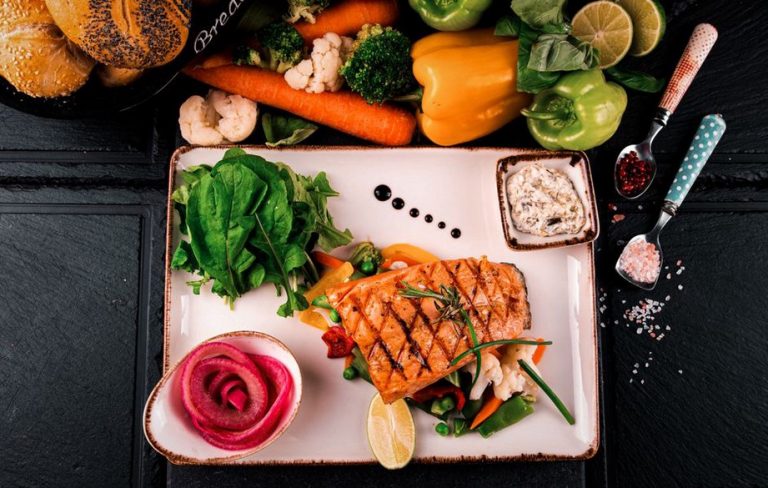
For those following an AIP or Paleo framework, the focus on whole foods—organ meats, seafood, vegetables, fruits, healthy fats—provides the building blocks for gut repair: zinc, vitamin A, glutamine, and short-chain fatty acids from fermented vegetables. These nutrients are conspicuously absent in the typical SIBO diet, which restricts many of these same foods due to fears of fermentation.
Practical Steps for Gut Health Without the SIBO Trap
How can you move beyond the SIBO hypothesis and still improve your digestion? Start by keeping a detailed symptom and food diary. Note not only bloating and gas but also stool consistency, energy levels, skin reactions, and mood. Look for patterns that span more than one meal or day. Many people find that their symptoms correlate with stress, sleep quality, or menstrual cycle—factors that breath tests cannot capture.
Next, consider a short elimination phase (two to four weeks) using a well-formulated Paleo or AIP template. Do not worry about SIBO-specific restrictions like avoiding all fermentable carbohydrates. Instead, focus on removing the most common inflammatory foods. After the elimination, reintroduce foods one at a time using the 72-hour rule. This method is described in detail in The 72-Hour Rule for Food Reintroduction: Why It Works and How to Use It—a practical resource that helps you distinguish between true sensitivities and transient gut noise.
If you suspect SIBO after ruling out dietary triggers, discuss it with your healthcare provider. A thorough stool test (like GI-Map) and a lactulose breath test can provide clues, but they should never replace clinical judgment or a whole-person approach. Many gastroenterologists now view SIBO as one piece of a larger puzzle that includes motility, bile flow, pancreatic enzymes, and the enteric nervous system.
Be wary of online gurus who promise that curing SIBO will cure everything. The human gut is too complex for any single hypothesis. A diet that nourishes the entire microbial ecosystem, supports the intestinal barrier, and respects individual variation is far more likely to produce lasting relief. I have seen it happen repeatedly: patients who shift their focus from killing bacteria to rebuilding gut resilience end up with fewer relapses and more energy. If you are still stuck, try keeping that food and symptom diary for two weeks straight—note your sleep, stress, and cycle too. You might be surprised what patterns appear. That kind of real-world data gives you something breath tests never can: a map of your own gut's actual triggers.