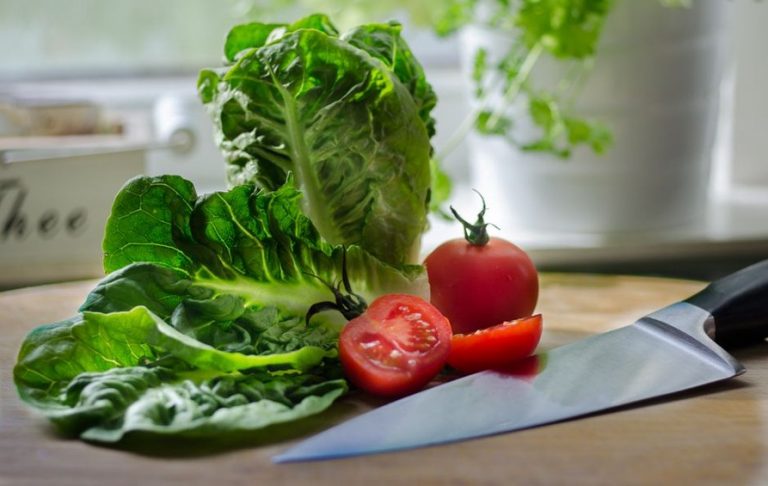
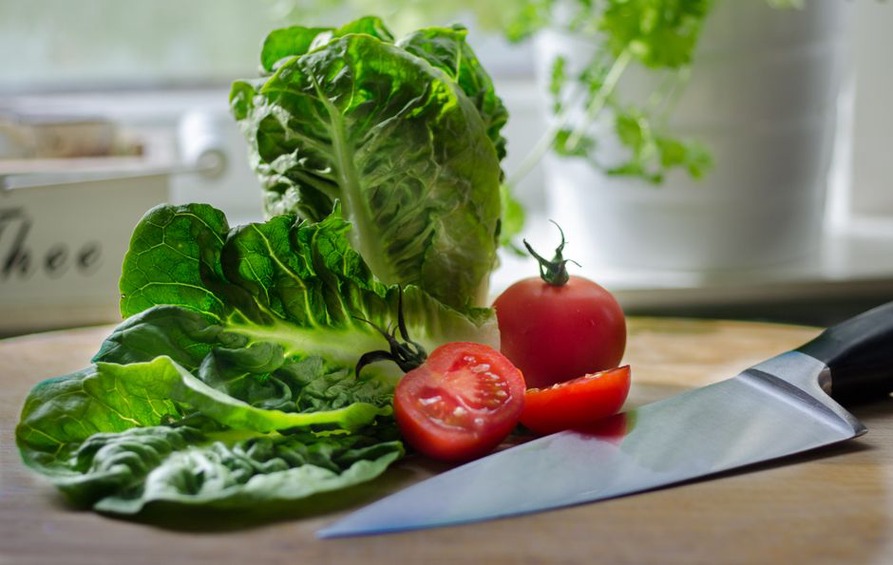
If the cutting board is across the room from the knives, chopping one vegetable involves more walking than cooking. Put the board, a knife, and a bowl for scraps within reach of the same clear counter space. That small change helps when you cook most meals at home or work around food restrictions.
Start with the meal you actually cook
Before moving things between cabinets, pay attention to an ordinary dinner. Where do you go to take out ingredients, wash and chop them, cook, and put away leftovers? Notice when you double back or set something down because the counter is full. The goal is not a perfectly arranged kitchen. It is fewer interruptions during the tasks you repeat.
Choose one counter area for most of your prep. Leave room for a cutting board and a bowl, even if the toaster or a decorative container has to move. Keep the tools you use there in the nearest practical drawer or cupboard. Store heavy pans low enough to lift comfortably, and put everyday plates and food containers within easy reach. Appliances you rarely use can take the less convenient shelves.
In a shared kitchen, leave some counter space for the next person instead of treating every surface as permanent storage. If space is tight, a sturdy board over a cool, unused section of the sink can serve as a temporary prep area. Keep it away from the stove and make sure it cannot slip.
Make the first ten minutes simpler
Cooking often begins with a search for several small things. Give the items you use most a predictable home so you can gather them quickly:
- At the prep area: a stable cutting board, a sharp knife, a peeler, and a bowl for trimmings.
- Near the stove: your most-used pans, a spatula or spoon, and oven mitts kept away from heat.
- Near food storage: reusable containers with matching lids, labels or tape, and a pen.
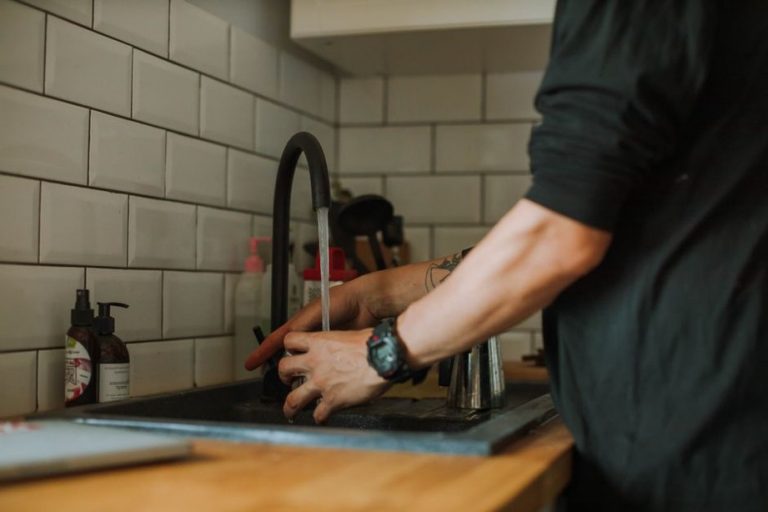
- Near the sink: dish soap, a clean cloth, and room to dry washed produce or utensils.
Adjust that setup to your kitchen. A portable tray can hold frequently used tools in a small space, then move out of the way after dinner. Do not crowd the stove with jars or utensils that could fall, collect grease, or sit too close to a burner.
Keep essential tools usable
A knife that slips through a tomato makes prep slower and harder to control. Keep knives sharp using a method suited to the blade, and use a board that stays put; a damp cloth underneath can help if it slides. Check that pan handles are secure and that the lids on your most-used containers fit. Fixing one troublesome tool may do more for dinner than buying another gadget.
Arrange ingredients so you can see your options
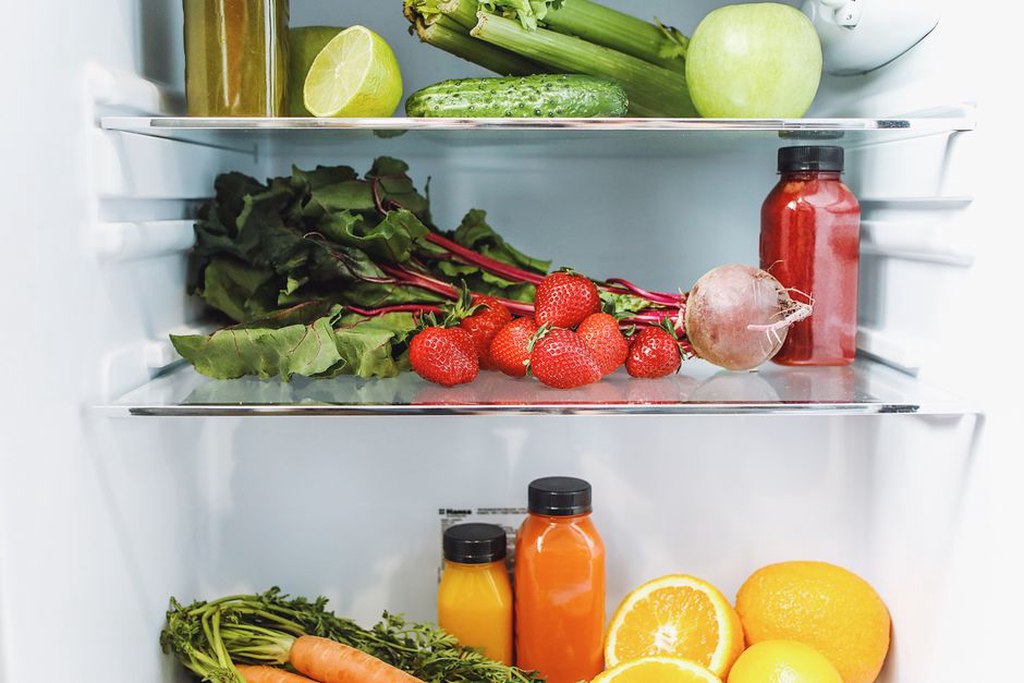
Your pantry and refrigerator should make it easier to answer, “What can I cook with what I have?” Group foods by how you use them rather than by package size. Keep cooking oils and seasonings together, put everyday proteins where you can find them, and give washed produce a visible spot in the refrigerator. Visibility should not come at the expense of safe storage: follow package instructions, and keep foods that need refrigeration chilled.
If you eat paleo-style or follow a medically advised exclusion plan, put the foods that fit your plan within easy reach without assuming everyone in the household eats the same way. Labeled shelves or bins can help when packages look alike. Keep ingredient labels available for foods you need to check. For a strict allergy, follow appropriate medical guidance on preventing cross-contact; separate storage alone is not a safety guarantee.
Use clear containers only if they make daily life easier. They do not automatically keep food fresh longer, and decanting everything into matching jars takes time and can mean losing useful package information. If you transfer a food, keep its ingredient and storage details, plus its date when relevant.
Give fragile foods priority
Move foods that spoil sooner toward the front of a shelf or drawer. A small “use first” spot for opened broth, cut vegetables, or leftovers is more useful than arranging the refrigerator for looks. Date cooked food and follow appropriate food-safety guidance for storage and reheating. If you do not know when a perishable food was prepared or whether it was stored safely, do not rely on smell alone.
Set up a workflow that contains the mess
Begin with an empty sink or enough space beside it to set down dishes. Before handling raw meat, poultry, or seafood, get the board and utensils you need. Wash your hands and clean surfaces after contact, and keep raw juices away from ready-to-eat foods. Use a food thermometer where appropriate rather than judging doneness by color alone.
A bowl for peels and trimmings keeps scraps from spreading across the counter. While a pan cooks, put away ingredients you are done with and wash or stack finished tools. You do not need to clean constantly; the point is to keep the sink usable when it is time to drain vegetables or wash your hands.
For a meal with several components, read the steps before turning on the heat. Start the longest task, such as roasting firm vegetables, then prepare quicker items while they cook. If an exclusion diet has made dinner feel laborious, try meals that need fewer pans: a sheet pan of vegetables alongside a protein cooked to its safe temperature, for example. With fewer pans to manage, you have more room to pay attention to flavor and texture.
Make restricted cooking manageable without narrowing food unnecessarily
An organized kitchen can make a prescribed food trial easier to follow, but it cannot tell you what is causing symptoms. Keep a few flexible components on hand: a protein you tolerate, vegetables you enjoy, a cooking fat that suits the recipe, and seasonings that fit your current plan. You can make different meals from those basics without filling a cupboard with specialty substitutes.
If you are excluding foods temporarily, label them to prevent mix-ups. Keep a written note of the plan, including when to reconsider foods with your clinician. This is especially important with more restrictive approaches, including the autoimmune protocol: remaining in an elimination phase indefinitely can make it harder to meet nutritional needs. Discuss persistent digestive symptoms and substantial dietary changes with a doctor. Exclusion diets do not replace medical care, and symptoms alone cannot confirm a food sensitivity or diagnose a condition.
Think about where you will eat, too. A place to sit, a plate ready when dinner is, and enough time to eat can make the meal feel less rushed. That does not require a kitchen redesign.
Change one bottleneck at a time
Use your next three cooking sessions to spot what gets in the way. If you keep crossing the kitchen for the same utensil, move it. If washed greens disappear behind jars, give them a more visible spot. If cleanup makes it hard to start dinner, clear a drying space first. Change one thing, then see whether it helps. A setup that works for roasting dinner may need a small adjustment for breakfast.
Tonight, put a cutting board, knife, and scrap bowl together before you take ingredients from the fridge. When you finish, store each one where you can reach it from that prep space next time.