If sneezing starts when trees release pollen, swapping toast for eggs at breakfast is unlikely to stop it. Seasonal allergic rhinitis is a reaction to airborne allergens, not evidence that a food is inherently inflammatory. Paleo-style meals may be satisfying during a difficult season, but they cannot remove pollen exposure or replace allergy care.
Start with the allergy, not a food restriction
Seasonal allergies commonly cause sneezing, a runny or blocked nose, and itchy eyes. Symptoms often track with pollen exposure, and disrupted sleep can make them harder to bear. Food-related symptoms matter too, but pay attention to timing: nasal symptoms after a windy afternoon are different from mouth itching immediately after eating an apple.
There is no established paleo protocol for treating hay fever. Research on dietary patterns, nutrients and inflammation has not shown that eliminating grains, legumes or dairy reliably reduces pollen symptoms. Someone might feel better after changing their meals because they eat more regularly or stop eating a food that upsets their digestion. That is useful to know, but it does not mean paleo has switched off their immune response to pollen.
Discuss persistent symptoms and significant diet changes with a clinician. Get urgent medical help for trouble breathing, throat tightness, faintness or rapidly worsening swelling. Do not try to manage those symptoms through a food experiment.
Build meals that remain practical when symptoms flare
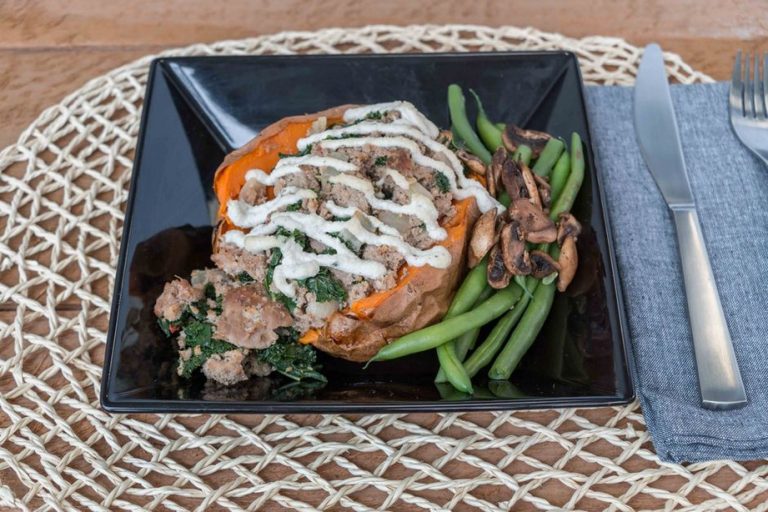
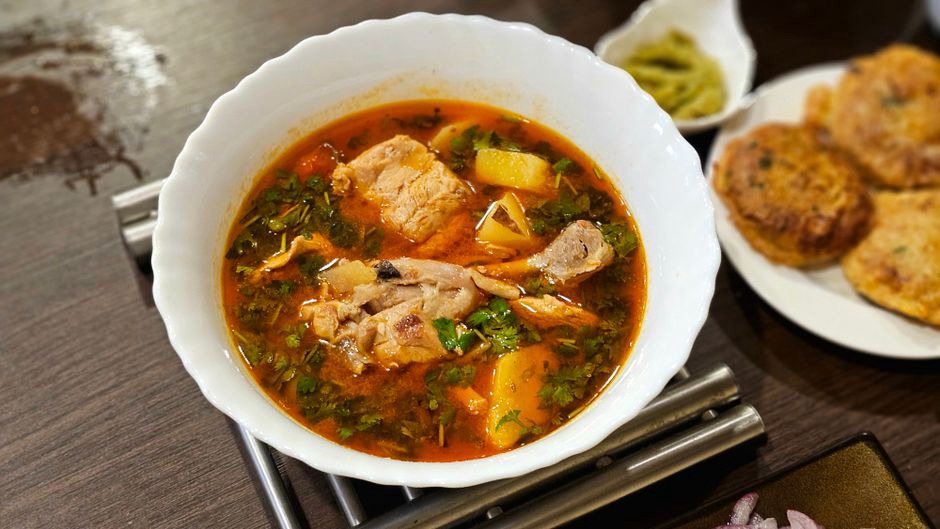
A paleo-style approach can focus on getting enough to eat rather than adding restrictions. Build meals around vegetables or fruit, a protein such as fish, poultry, eggs or meat, and potatoes, sweet potatoes or another starchy vegetable for energy. Olive oil or avocado can add fat. After a poor night’s sleep, chicken soup with vegetables and potatoes may be more appealing than an elaborate meal.
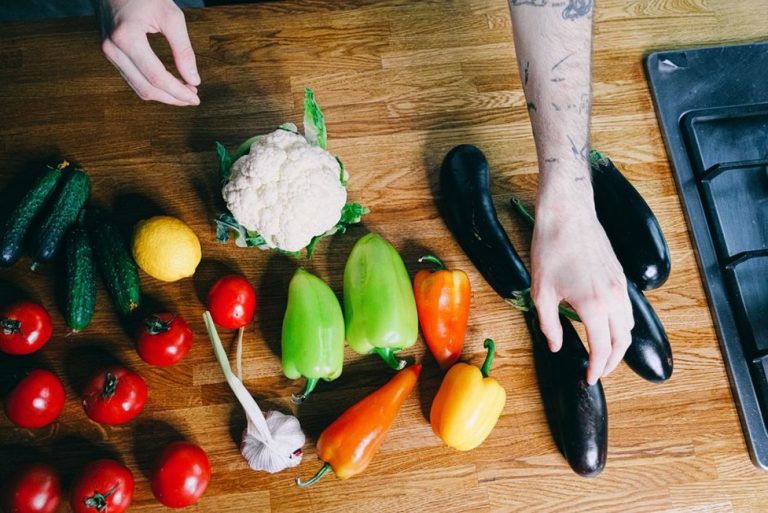
A variety of plants provides fiber and nutrients, but you do not need to eat every vegetable raw. Cooked produce may be easier to manage if your digestion is sensitive. If you already avoid a food because of a confirmed allergy, continue following your clinician’s advice; a paleo label does not make it safe for you.
Keep pollen control separate from meal planning
Pollen exposure may explain a good or bad allergy day more readily than a single dinner. Forecasts, time outdoors and ventilation habits can all affect symptoms. Discuss ways to manage symptoms with your healthcare professional rather than relying on diet alone. If you keep notes, record exposure alongside meals so you do not mistake a high-pollen day for a reaction to lunch.
- Record the main symptom and when it happened, rather than calling the whole day “good” or “bad.”
- Note heavy outdoor exposure, poor sleep or a respiratory illness.
- Write down immediate symptoms after a particular food, including whether it was raw or cooked.
Watch for pollen–food allergy syndrome
Some people with pollen allergies get an itchy mouth or throat shortly after eating certain raw fruits, vegetables or nuts. This is often called pollen–food allergy syndrome, or oral allergy syndrome. The immune system recognizes similarities between proteins in pollen and food. For some people, cooking a fruit or vegetable changes those proteins enough that the cooked version causes fewer symptoms. Reactions differ from person to person, and nuts call for particular caution.
This can be easy to overlook when fresh produce and nuts are regular snacks. A raw apple, a cooked apple and an apple-containing packaged snack are not interchangeable tests: preparation and ingredients differ. Do not deliberately test a food that has caused throat symptoms, significant swelling or breathing difficulty. An allergist can assess whether the pattern fits pollen–food allergy syndrome or another food allergy and advise you on what to avoid.
Nor does a list of possible pollen cross-reactions mean that everyone with hay fever must give up the same fruits and vegetables. Record the specific food, how it was prepared and what happened soon after eating it, then discuss the pattern with a qualified clinician.
Be careful with restrictive “immune reset” plans
The autoimmune protocol, or AIP, has a more extensive elimination phase than a typical paleo pattern. It is sometimes promoted online for seasonal allergies, but hay fever alone is not a demonstrated reason to start it. Cutting out eggs, nuts, seeds and other foods can make meals less varied and harder to sustain without clarifying the cause of nasal symptoms.
If food reactions or digestive symptoms occur alongside hay fever and you are considering an elimination approach, agree on its purpose and timeframe with a doctor or registered dietitian. Try not to change several things at once. Starting a strict diet, spending less time outdoors and changing your usual symptom care in the same week would make any improvement hard to interpret. Reintroducing foods needs a plan too, especially if a true food allergy is possible. Do not reintroduce foods linked to immediate allergic symptoms without medical guidance.
Use a short record to ask better questions
A brief record may help you see whether symptoms follow pollen exposure, a particular food or neither. It cannot diagnose an allergy. For one or two weeks, keep the notes simple enough to complete consistently:
- List meals and snacks with useful details, such as “raw peach” rather than “fruit.”
- Note when nasal, eye, mouth, skin or digestive symptoms begin and roughly how long they last.
- Add context: outdoor activity, pollen conditions if known, sleep and any changes in your usual symptom care.
Look for repeated, specific patterns rather than blaming a food you ate on one high-pollen day. If persistent congestion is your main concern despite ordinary precautions, take the record to a clinician instead of cutting out more foods. If your mouth itches within minutes of eating a raw peach but not a cooked one, note each preparation separately and ask whether an allergy assessment is appropriate.
Before your next grocery trip, choose two familiar meals you can make when you are tired and put their ingredients on a short list. You will have something practical to eat without letting allergy season turn into an unplanned elimination diet.