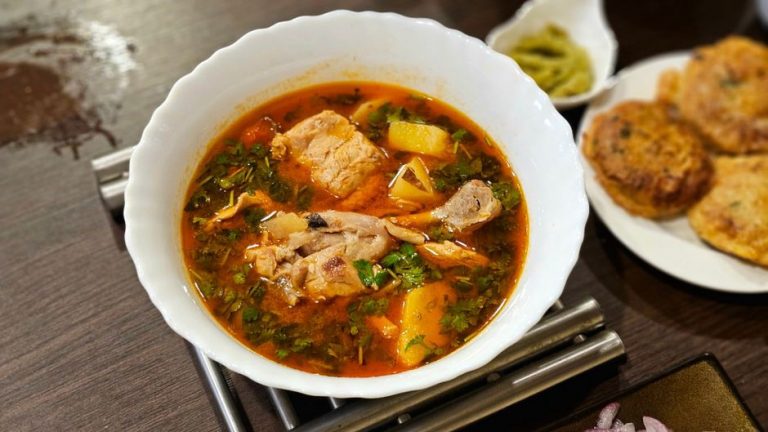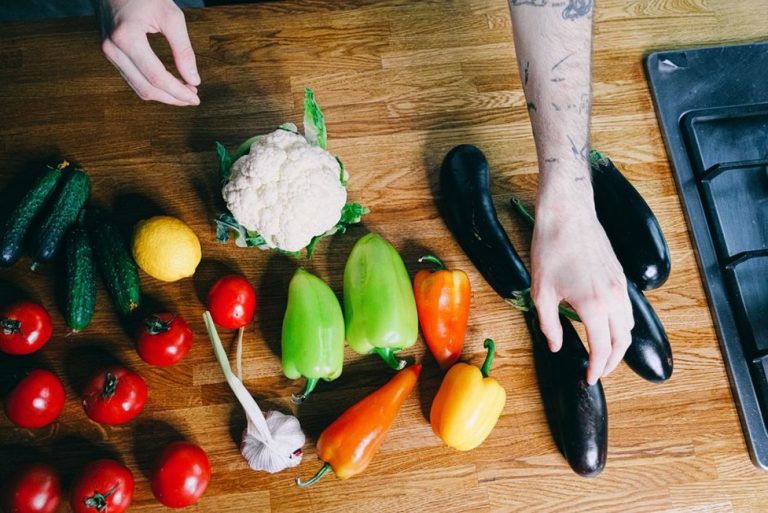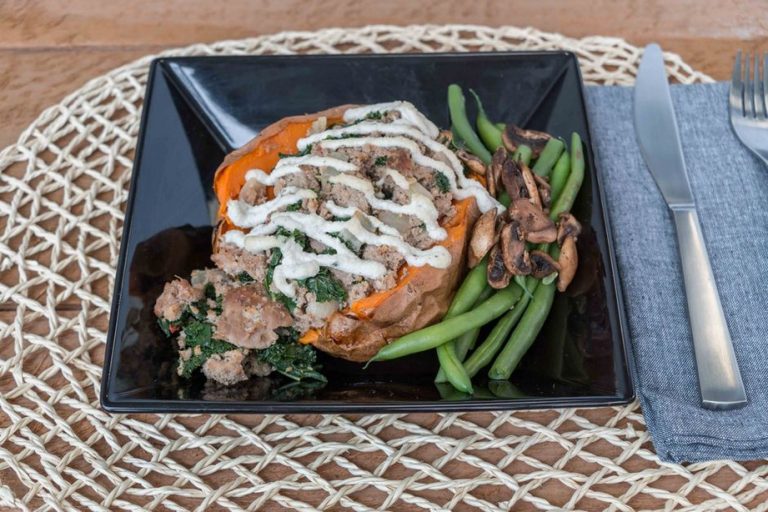
Roast chicken, a large raw salad, cauliflower rice, and a handful of nuts all fit common paleo rules. Together, though, they may leave you uncomfortably full. The size of the meal and how its ingredients were prepared may matter more than any single food. Digestive resilience isn't about getting every ingredient right; it's about eating enough, noticing patterns, and recovering from an uncomfortable day without immediately cutting more foods.
Paleo eating generally emphasizes vegetables, fruit, meat, fish, eggs, nuts, and seeds while excluding grains, legumes, and dairy. Those boundaries can simplify meal planning, but they cannot predict how your stomach will respond. Portion size, cooking method, fat content, eating pace, stress, and changes in routine all matter. Think of paleo as a framework for meals, not a test of how many raw vegetables or unfamiliar foods you can handle at once.
Build a steady foundation before experimenting
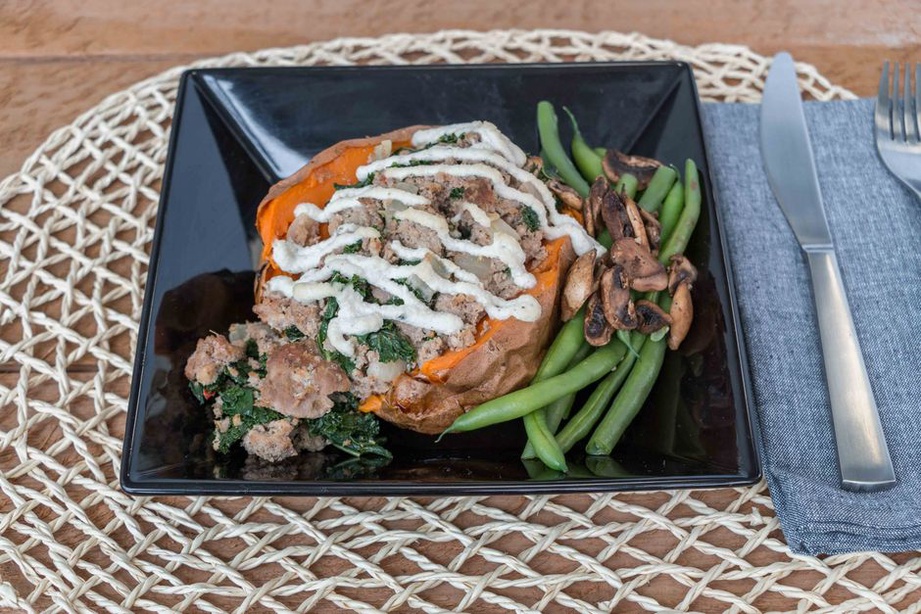
Regular, adequate meals give you a clearer starting point than very light days followed by oversized dinners. A straightforward plate might include protein, a cooked vegetable, a satisfying starch such as potato or winter squash, and a moderate amount of fat. Adjust the proportions to your appetite and activity. That steadier routine makes it less likely you'll mistake hunger, a sudden increase in fiber, or an unusually rich meal for a food sensitivity.
Spread variety across the week; you don't have to fit it all into one meal. Fish, poultry, eggs if tolerated, and different cuts of meat offer distinct nutrients. Colorful produce brings different types of fiber and plant compounds. Calcium needs attention when dairy is off the menu, and further restrictions can make it harder to get enough energy and nutrients. If your food choices are shrinking or you're removing whole food groups, discuss the change with a clinician or registered dietitian.
Change the form of fiber before cutting it
Fiber supports regularity and feeds gut microbes, but a sudden increase can cause gas or cramping. Research suggests that varied plant foods influence microbial communities; it doesn't show that a particular paleo menu will produce a specific microbiome or cure digestive symptoms. Before dropping a vegetable, try cooking or peeling it, chopping it finely, or serving less of it. Cooked carrots alongside dinner, for instance, may be a more manageable starting point than a large raw carrot salad.
If large portions of cruciferous vegetables or nuts seem to bother you, keep the observation specific. How much you ate, how it was prepared, and what else was on the plate all matter. Spread plant foods across meals and add variety gradually. You don't need a daily plant-count target while you're finding a comfortable routine.
Make meals easier to handle in ordinary ways
Before making another exclusion rule, look at how you're putting meals together and eating them:
- Keep portions manageable. If a generous dinner routinely causes pressure or fullness, serve a smaller first portion. You can have more if you're still hungry.
- Notice fat concentration. Fat helps make meals satisfying, but fatty meat with a rich sauce, avocado, and nuts may feel heavier than a meal with a moderate amount of fat.
- Slow down when you can. Sitting down and chewing comfortably may make fullness easier to notice than eating quickly between tasks.
- Keep fluids available. Drink to thirst through the day, especially as you add fiber. There's no need to force large amounts of water with a meal.
- Make room for gentle movement. A comfortable walk after eating can be part of your routine, though it isn't a treatment for persistent symptoms.
These habits can make travel and busy weeks less disruptive, too. Having familiar components on hand—a protein, cooked vegetables, and a starch you enjoy—means a rushed meal doesn't also have to be a food experiment. For ways to buy those staples without ending up with excess perishables, see shopping for paleo and AIP meals without overbuying.
Build flexibility by testing one change at a time
Resilience doesn't mean pushing through pain to prove you can tolerate something. It means having a reliable baseline and a way to look into a reaction without treating one bad day as a verdict. If you're adding foods after a period of restriction, start with an amount you can identify and keep the rest of the meal familiar. Wait and observe before changing several other ingredients.
Say roasted cauliflower seems to cause bloating. Compare a modest portion with the huge serving you first ate, keeping the cooking method and accompanying foods similar. If the smaller serving feels fine, quantity may matter more than the food itself. If symptoms are strong, recurring, or hard to interpret, stop experimenting and ask a healthcare professional for guidance rather than repeatedly provoking discomfort.
A short record can help; it needn't become a ledger of every bite. Note the meal, approximate portion, preparation, when symptoms began, and any useful context, such as a rushed lunch or a change in bowel habits. Look for patterns across comparable days rather than drawing a conclusion from one uncomfortable evening. Travel, illness, poor sleep, and the menstrual cycle can all complicate the picture. The notes are there to support a conversation and measured decisions, not to diagnose a condition.
Where an AIP-style elimination fits—and where it does not
The autoimmune protocol, or AIP, is more restrictive than standard paleo. It temporarily removes additional foods, then uses planned reintroductions to explore tolerance. Routine bloating alone doesn't make it a necessary next step, and evidence that it treats autoimmune or digestive disease remains limited. Removing more foods without a clear plan can reduce variety and make eating harder, both socially and nutritionally.
If you're considering an elimination phase, discuss it with a doctor and an appropriately qualified dietitian—especially if you have a medical condition, a history of disordered eating, or already limited food choices. A useful plan explains why each food is excluded, how you'll stay adequately nourished, and how you'll work back toward a broader diet. Without reintroduction, an elimination phase can't tell you which restrictions are still needed.
Know when a food experiment is the wrong tool
Digestive discomfort can have causes unrelated to paleo food choices. Speak with your doctor about symptoms that persist, worsen, or repeatedly interfere with daily life, and discuss significant diet changes before making them. Blood in the stool, unexplained weight loss, persistent vomiting, severe or escalating abdominal pain, or difficulty swallowing call for prompt medical assessment. A food diary can describe what happened, but it cannot rule out a medical cause.

After a meal sits badly, you don't have to make a permanent rule that night. Note the portion and preparation, then return to familiar, adequate meals while you watch for a pattern. If it happens again, bring your notes to your clinician. “Large raw cabbage serving twice; discomfort within a few hours; smaller cooked serving felt different” gives them more to work with than “vegetables are a problem.”