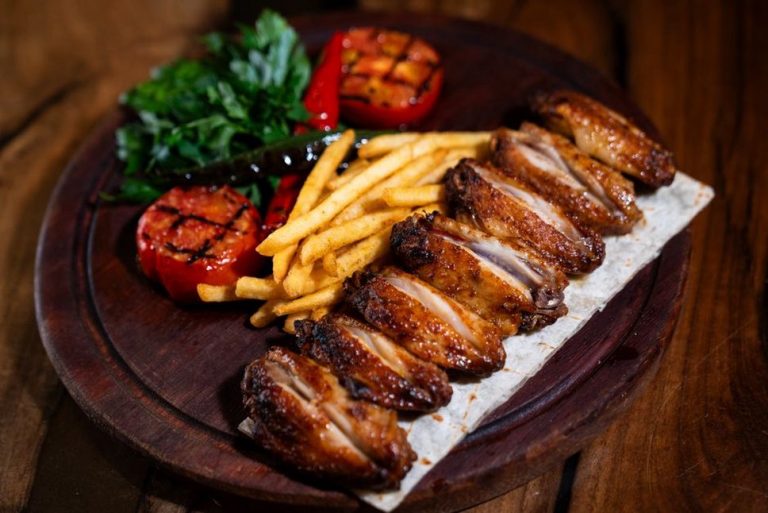

A big AIP-compliant salad can still leave you bloated. Raw cabbage, a generous serving of cauliflower, and a rich dressing may be hard to tolerate together, even though each fits the elimination-phase rules. Before cutting another food, consider how much you ate, how it was prepared, and what else was on the plate.
The autoimmune protocol (AIP) is an elimination-and-reintroduction approach, not a test that can identify every food sensitivity. Symptoms can change for reasons unrelated to an ingredient, and evidence that AIP resolves autoimmune or digestive conditions is limited. It may be most useful as a temporary, structured way to observe patterns while keeping meals adequate and varied. Discuss persistent symptoms and significant dietary changes with a doctor; a registered dietitian can help you meet your nutritional needs during a restrictive phase.
Make the elimination phase easier to interpret
During AIP elimination, people typically avoid grains, legumes, dairy, eggs, nuts, seeds, and nightshades, among other foods. Agree on the plan with a healthcare professional rather than extending it indefinitely. If you remove another food every time symptoms appear, you can soon run short of options—and lose track of what actually changed.
Keep a small rotation of meals built around protein foods you tolerate, cooked vegetables, fruit, and sources of fat. You can vary foods within that framework instead of eating the same supposedly “safe” meal every day. If you eat fish, poultry, and meat, alternate them; switch between leafy greens, carrots, squash, and other permitted vegetables that suit you. Variety helps with nutrient intake, but you needn't push through discomfort to achieve it.
Before changing ingredients, ask whether the meal was unusually large, high in fat, or eaten in a hurry. Trying a smaller portion of the same meal on another day may tell you more than cutting three vegetables at once. Don't deliberately repeat a food that has caused a severe or immediate reaction.
Change the load before expanding the ban list
Start with portions and preparation
AIP allows plenty of fiber-rich plants, but the amount matters. A cup of cooked broccoli may sit differently from a large raw bowl; a few spoonfuls of fermented cabbage may be easier than a full side dish. Some fruits and vegetables contain carbohydrates that produce gas during digestion. That doesn't make those foods harmful or mean everyone needs to follow a separate low-FODMAP diet.
Try one modest change at a time: cook a vegetable you usually eat raw, reduce a generous serving, or spread plant foods across meals instead of piling them all into dinner. Peeling or softening vegetables may help when texture seems to matter. These are experiments in comfort—not proof that cooking removes a sensitivity or that a smaller serving makes an allergy safe.
Watch the combinations that hide the pattern
Cauliflower rice with onions, garlic, and dried fruit, followed by a large serving of fruit, brings several possible sources of fermentable carbohydrates into one meal. If you feel bloated afterward, it's too soon to blame the cauliflower. For a few days, use simpler meals in familiar portions, then change one component while keeping the rest reasonably consistent. You don't need to eat like you're running a laboratory; ordinary notes and repeatable meals can reveal useful trends.
Rich foods deserve a look, too. Coconut cream, heavy sauces, and lots of added oil may make an AIP-friendly meal feel heavy, especially when the portion is large. Try splitting the dish into two meals or using a lighter sauce. If symptoms continue, bring the pattern to a clinician rather than narrowing your diet further.
Keep enough food on the plate
It's easy to under-eat on a restrictive plan without meaning to. Vegetables and broth may meet AIP rules but provide little energy or protein if they replace a substantial meal. Start with a protein source, then add enough permitted carbohydrate-containing foods—such as sweet potato, winter squash, or fruit—and fat to make the meal satisfying. How much you need depends on your activity, appetite, and medical circumstances.
Removing food groups can also make some nutrients harder to get. Without dairy, calcium intake may need attention; removing eggs, legumes, nuts, and seeds takes away familiar sources of protein and other nutrients. Leafy greens, fish with edible bones if tolerated, and varied protein foods can all contribute, but no short list of foods guarantees an adequate diet. If elimination lasts more than a brief period, ask a dietitian to review what you actually eat instead of adding more exclusions or supplements on your own.
Separate a possible trigger from a bad day
Food-related symptoms can be delayed, inconsistent, or hard to pin down. Poor sleep, stress, illness, constipation, a change in routine, or menstrual-cycle changes may affect digestion or how symptoms feel. A few notes can help you find recurring patterns without assigning a cause to every sensation.
- Note the food and amount: “half a cup of cooked cabbage” tells you more than “vegetables.”
- Record timing: write down when you ate and when a symptom began, not just whether both happened that day.
- Describe the symptom: note bloating, pain, stool changes, itching, or another response, and how much it affected you.
- Add relevant context: a rushed meal, poor sleep, constipation, or a new recipe may help explain an outlier.
Look for repeated associations across comparable meals, not a verdict from one diary entry. Your notes may show that a food is comfortable in smaller portions, sparing you an unnecessary long-term restriction. If tracking makes you anxious or leads you to skip meals, simplify it and talk with your healthcare team.

Reintroduce foods deliberately, not all at once
When symptoms are reasonably stable, work out a reintroduction plan with your clinician or dietitian. Testing excluded foods one at a time can help you see what you tolerate rather than avoiding foods by default. Follow the amount and observation period in your agreed plan; no single timetable suits every symptom or medical history. Keep your other meals familiar while testing a food so the result is easier to interpret.
If a food appears to cause symptoms, note what happened and discuss whether to pause, try it again later, or leave it out. A response isn't necessarily permanent, and mild digestive discomfort isn't the same as an allergy. Do not conduct home reintroductions for foods linked to suspected allergy, immediate hives, throat symptoms, breathing difficulty, or other severe reactions. Seek medical evaluation; breathing difficulty or throat swelling calls for urgent care.
Some symptoms warrant medical attention regardless of what your diary shows. Persistent or worsening abdominal pain, ongoing diarrhea, blood in the stool, unexplained weight loss, or signs of dehydration should not be managed by cutting out more foods. AIP cannot rule out conditions that need diagnosis or treatment, and an elimination diet is not a substitute for medical care.
For a modest check on portion size, keep tomorrow's lunch familiar: the same cooked protein and vegetables you usually eat, with a smaller serving of the vegetable that felt uncomfortable today. Note the amount and any symptoms later. Then return to an adequate meal or discuss the result with your clinician—one lunch isn't a diagnosis.