
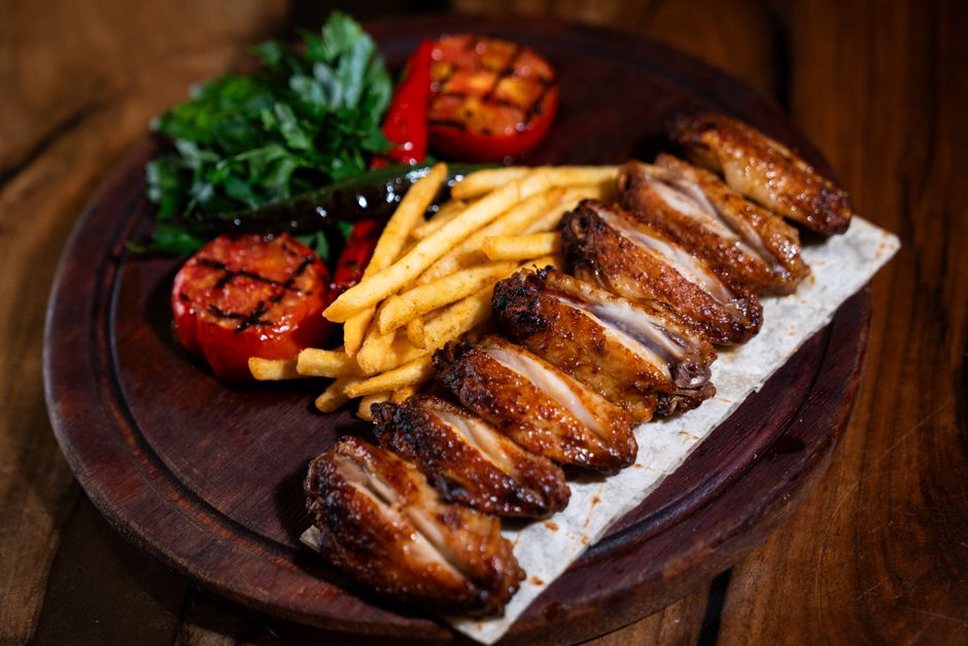
Chicken breast and leafy greens may qualify as a paleo lunch, but they might leave you hungry an hour later. Add roasted sweet potato and olive oil, and the meal has a substantial carbohydrate source and fat alongside the protein. That’s macronutrient balance in practice: not a perfect ratio, but a meal that fits your appetite and the day ahead.
Protein, carbohydrate and fat are the three macronutrients that supply energy. Paleo-style eating typically draws them from meat, fish, eggs, vegetables, fruit, tubers, nuts, seeds and oils, while leaving out grains and legumes. Those food rules say nothing about how much of each macronutrient lands on your plate. A paleo menu can end up very low in carbohydrate, high in fat or fairly lean without you planning it that way.
Start with satisfaction, not a fixed ratio
There’s no single paleo macronutrient percentage that suits everyone. Appetite, activity, food access and preferences all matter; a long walk and a desk-bound afternoon may call for different amounts of food. Start with a recognizable protein source, produce, a substantial carbohydrate where helpful, and some fat. Then adjust portions according to hunger, fullness and what else you’ll eat that day.
For a broad reference rather than a paleo prescription, the MedlinePlus guide to carbohydrates explains that carbohydrates provide energy and occur in foods including fruits and vegetables. Paleo restrictions change which carbohydrate foods are available; they don’t make carbohydrate itself off-limits.
Judge a meal over several hours, not just while you’re still at the table. Feeling pleasantly full right after eating is different from having enough energy until the next planned meal. If you’re repeatedly hungry early, the meal may be too small or short on carbohydrate or fat. If it leaves you weighed down, try changing the portion, preparation or timing before ruling out an entire food group.
Give protein a dependable place on the plate
Protein helps maintain and repair body tissues and can make a meal more filling. Paleo-friendly choices include fish, poultry, meat and eggs. A palm-sized cooked portion is a handy visual starting point for many adults, not a target for every body or meal. A larger appetite may call for more; someone eating several substantial meals may prefer less at one sitting.
Think about protein across the day. If breakfast is just fruit and black coffee, lunch has to do more work. Eggs with leftover vegetables and potatoes, or leftover fish with fruit and avocado, make more substantial morning options. At dinner, meat needn’t dominate the plate. Pair it with vegetables and another energy source rather than expecting extra protein to make up for missing carbohydrate or fat.
Vary your choices through the week. Fish, eggs and different cuts of meat have different nutrient profiles, and less processed options make it easier to tell what’s in a meal. Bone broth adds flavor, but it isn’t an equivalent substitute for fish, eggs or meat when you’re looking for protein.
Make room for carbohydrates without a paleo rulebook
Vegetables matter on a paleo plate, but a big bowl of leafy greens doesn’t supply as much energy as roasted potatoes or fruit. If meals feel too light, look at which carbohydrate sources are actually there. Potatoes, sweet potatoes, winter squash, plantain, fruit and other starchy vegetables can fill that gap without grains or legumes.
Activity can change what feels satisfying. After a demanding workout or hours on your feet, fruit at breakfast and a generous serving of starchy vegetables at dinner may work better than salad vegetables alone. On a less active day, you might prefer smaller starch portions. Neither choice makes the food inherently good or bad.
If you’re adding starchy or fibrous foods after a restrictive period, go slowly enough to notice how you feel. Tender cooked vegetables, peeled vegetables where appropriate, and portions spread across meals may be more comfortable than a large raw salad plus several servings of fruit at once. Bloating has many possible causes; one uncomfortable meal can’t tell you which carbohydrate, if any, was responsible.
Use fats deliberately rather than letting them take over
Fat adds energy, flavor and texture, and can make a lean-protein-and-vegetable meal feel more complete. Common paleo choices include olive oil, avocado, olives, nuts and seeds, as well as the fat already in fish, eggs and meat. You don’t need the same amount at every meal. Salmon and avocado bring their own fat; lean chicken and steamed vegetables might benefit from dressing or cooking oil.
Fat is a concentrated source of energy. An extra handful of nuts, a generous pour of oil and a large avocado can change a meal considerably. That can help if you struggle to eat enough, but it may also crowd out potatoes or other foods you’d enjoy. Nuts are especially easy to snack on without noticing how much you’ve eaten. Try them alongside a meal or fruit instead of making them the main substance of lunch.
You don’t need every fat source in a single day. Rotate them for taste and convenience, and look at what’s already on the plate before adding more. If a rich meal often leaves you uncomfortable, compare it with a similar meal made with less oil or a leaner cooking method. That’s more useful than deciding all fat is a problem.
A flexible plate method
Counting grams can help with a specific, professionally guided goal. For everyday meals, a repeatable way to assemble the plate may be easier:
- Choose a protein anchor: eggs, fish, poultry or meat in a portion that fits your appetite.
- Add vegetables or fruit: choose cooked or raw produce according to preference and tolerance, and vary it through the week.
- Check the energy source: add potatoes, squash, plantain or fruit if the meal would otherwise be too light, especially on active days.
- Finish with fat: consider what’s already in the protein and cooking method before adding oil, avocado, nuts or seeds.
This is a checklist, not a requirement for four separate piles of food. Chicken-and-vegetable stew cooked with olive oil and served with potatoes covers the same ground in one bowl. So does a salad topped with tuna, avocado and roasted squash. For produce swaps that don’t require rebuilding familiar meals, seasonal paleo eating without rebuilding your meals offers a practical starting point.
The checklist can also show why a meal fell short without labeling it a failure. Vegetable soup might need eggs and potatoes. A large plate of roast meat might be easier to enjoy with vegetables and fruit. A mostly fruit smoothie may keep you satisfied longer alongside an egg-based breakfast than on its own.
What an adjustable day can look like
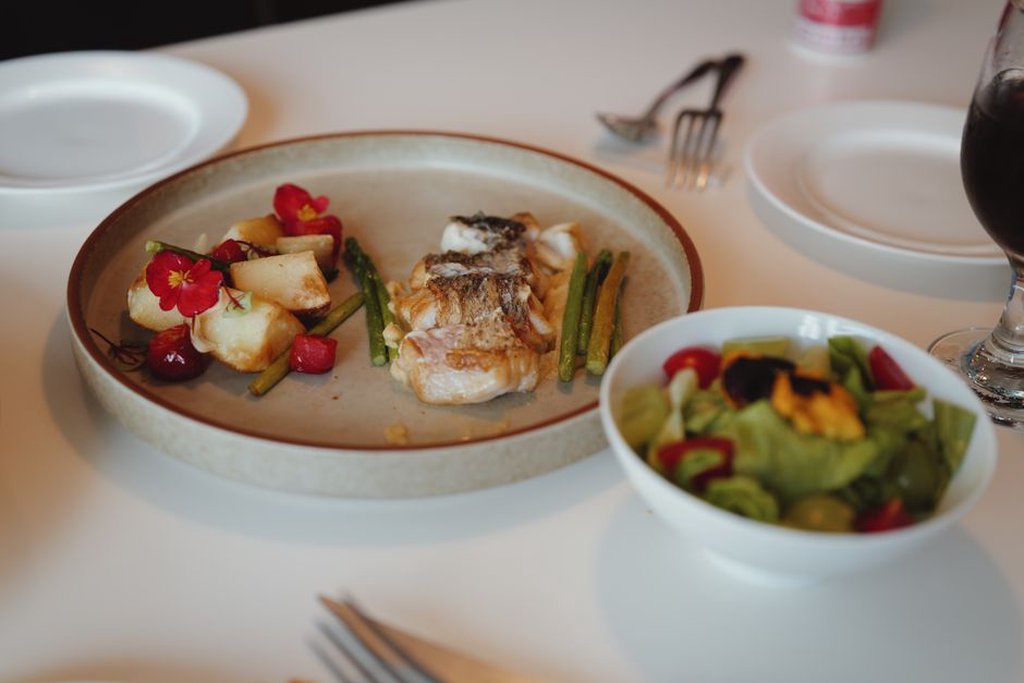
Breakfast could be eggs, cooked greens, a roasted potato and some fruit. Lunch might be leftover chicken with vegetables, squash and an olive-oil dressing. Dinner could be salmon, potatoes and asparagus, followed by berries if you want them. Protein appears throughout the day rather than only at dinner, while starchy foods and fruit contribute energy that non-starchy vegetables alone may not provide.
That’s an example, not a menu to copy or a guarantee of nutritional adequacy. A smaller appetite might mean smaller meals; a particularly active day might call for more starch or an extra snack. If lunch will be late, fruit with a boiled egg or a small portion of leftovers may bridge the gap better than coffee. Use the structure to make decisions, not to grade your day.
When appetite and digestion give mixed signals
Digestive comfort complicates advice to simply “eat more vegetables.” You might still be hungry after lunch yet feel uncomfortable when you add a large volume of raw produce. Volume, fiber, fat content, eating speed and timing can all affect how a meal feels. A smaller serving of cooked vegetables with potatoes and protein may work better than a huge salad. One uncomfortable lunch doesn’t need to become a long list of forbidden foods.
Change one practical detail at a time. If a high-fat lunch repeatedly feels heavy, try the same protein and vegetables with less oil while keeping the carbohydrate portion similar. If a balanced breakfast leaves you hungry quickly, try more potato or another substantial food before eliminating fruit. These comparisons can help you spot patterns; they can’t diagnose an intolerance.
An elimination approach such as the autoimmune protocol leaves fewer options, particularly while eggs, nuts or seeds are excluded. The same meal principle applies: find protein, produce, enough energy and tolerable fat among the foods available to you. An elimination phase should have a clear purpose and a plan to reassess restrictions, not become a contest to eat fewer foods. Discuss persistent symptoms and dietary changes with a doctor, especially if restrictions are growing or eating enough has become difficult.
When tracking helps—and when it does not
Macronutrient numbers can help answer a focused question, such as whether a change in training has coincided with regularly skipping substantial meals. On their own, they can’t show that a particular ratio is medically necessary or explain persistent digestive symptoms. If you track, keep the question narrow and the exercise time-limited. You might compare how comfortably lunches with protein and a starchy vegetable carry you to dinner with lunches of protein and salad alone.
An app isn’t required. A short note about the meal, approximate portions, hunger a few hours later and any discomfort may be enough. Look for repeated patterns rather than a verdict from one day. Calories and macros also miss things that matter: meals with similar energy can differ in produce variety, fiber, texture and enjoyment. If measuring food makes you anxious or meals less flexible, a plate-based approach may be more helpful.
If you’re managing a medical condition, are pregnant, have a history of disordered eating, or notice a significant change in weight or appetite, individualized guidance matters more than an internet ratio. A doctor can assess persistent symptoms and help you decide whether support from a registered dietitian would be useful. Paleo rules aren’t a substitute for medical care.
Keep the balance workable outside your kitchen
At restaurants and shared meals, you may not control exact portions or ingredients. Look for the familiar components rather than trying to reproduce your usual plate perfectly: protein, vegetables, a satisfying carbohydrate if available, and enough fat for flavor. If the meal is mostly lean protein and salad, fruit or potatoes later in the day are a practical adjustment, not a correction for doing something wrong.
Before packing tomorrow’s lunch, check what’s missing from the container. Chicken and greens alone? Add cooked potato, squash or fruit. Only roasted vegetables? Add leftover fish or eggs. It’s a small check that can make lunch more satisfying without calculating a percentage. If symptoms persist or you’re planning a significant change to your diet, discuss it with a doctor.