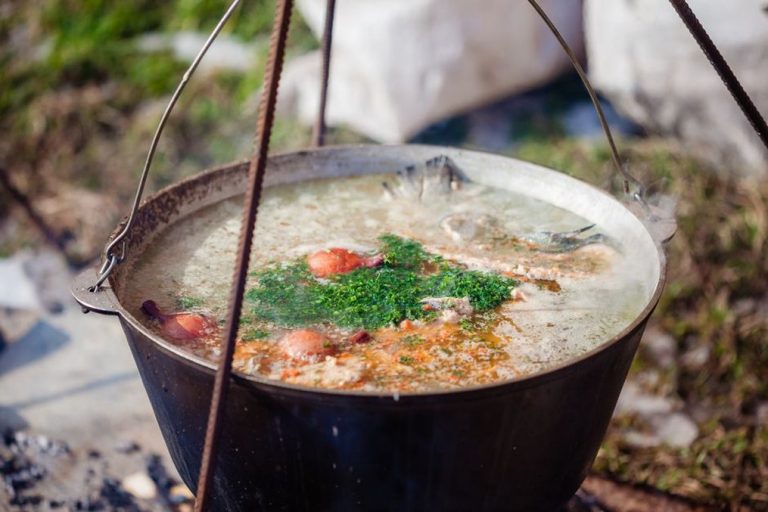
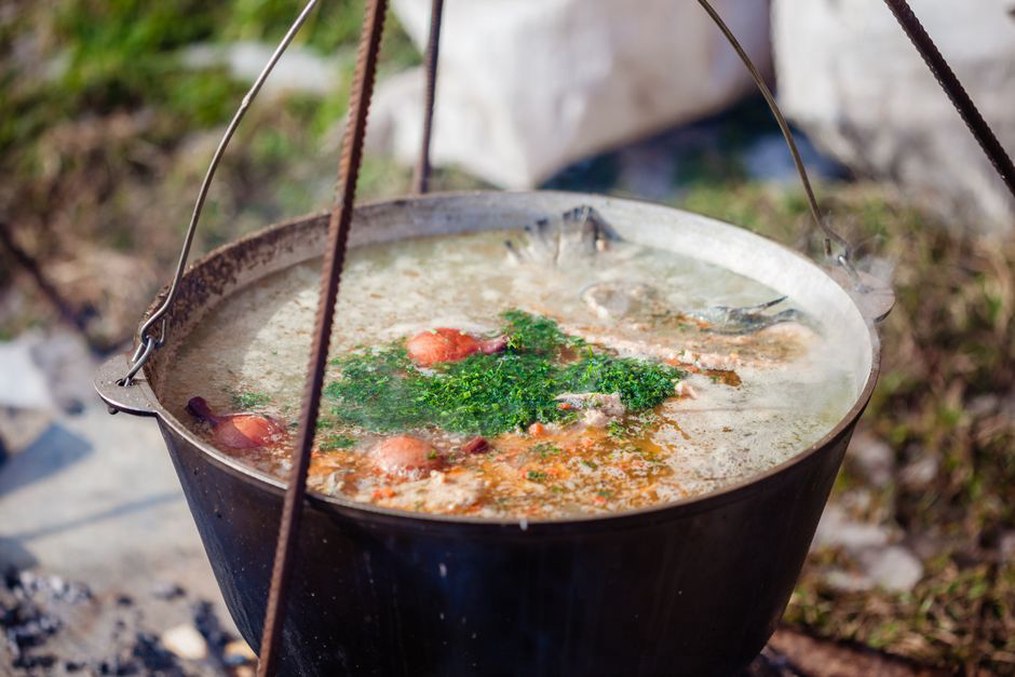
A cup of bone broth can make a paleo lunch more satisfying, but it cannot stand in for the chicken, vegetables, and other foods that make it a meal. Broth is made by simmering animal bones and connective tissue in water, often with vegetables and herbs. It adds savory flavor and fluid without grains, legumes, or dairy. Its nutritional value, though, depends on what's in the pot.
What bone broth offers a paleo plate
Bone broth is easy to work into paleo-style cooking. A few spoonfuls can loosen a pan sauce; a cup can turn leftover meat and vegetables into soup. Making it also puts a poultry carcass or leftover bones to use rather than throwing them away. Those are good reasons to keep some on hand, regardless of its nutrient content.
As connective tissue cooks, some of its collagen becomes gelatin and enters the liquid. That's what gives some broths their wobble when chilled. Gelatin provides amino acids, including glycine and proline, but a broth that sets firm is not necessarily high in protein. Recipes and packaged products vary, and broth generally has less protein than a serving of meat or fish. If a meal needs protein, add a substantial protein food instead of relying on the broth.
Broth contains minerals too, but the amounts depend on the bones, water, cooking method, and other ingredients. It is not a dependable stand-in for calcium-rich foods or a source of all the minerals you need. In commercial broth, sodium may be the mineral you notice most. Check the label, especially if you use broth in several meals a day.
Where the health claims get ahead of the evidence
Bone broth is often said to “heal the gut,” restore the intestinal lining, or calm inflammation. Research on broth itself does not establish those effects. It contains compounds of interest, but their amounts are inconsistent; findings from studies of isolated collagen or amino acids cannot simply be applied to homemade soup. Digestion breaks dietary proteins down, so the collagen in a mug does not travel intact to a particular joint or section of intestine.
That does not mean broth has no place in a meal chosen for comfort. On a day when a large, rich meal sounds unappealing, a warm, mild soup may be easier to eat. Broth supplies fluid and gives you a base for cooked vegetables and tender protein. How you feel afterward may have more to do with the temperature, texture, ingredients, and portion than with any special property of the broth. Discuss persistent bloating or other digestive symptoms, as well as significant dietary changes, with a doctor rather than using broth as a diagnostic test or treatment.
Broth, stock, and the gelatin question
Kitchen terms are not used consistently. Stock is often made mainly from bones, while broth may include meat; products sold as “bone broth” are typically simmered with bones for an extended period. The name tells you little about protein content or exact cooking time. For a packaged product, the ingredient list and nutrition panel are more useful than the front label.
If broth sets in the refrigerator, it contains enough gelatin to thicken when cold. If it stays liquid, it can still taste good and work just as well in cooking. The texture depends on how much connective tissue went into the pot relative to water, whether feet or joints were included, and how far the liquid was reduced. It does not tell you whether the broth will agree with your digestion.
Making a useful batch without complicating dinner
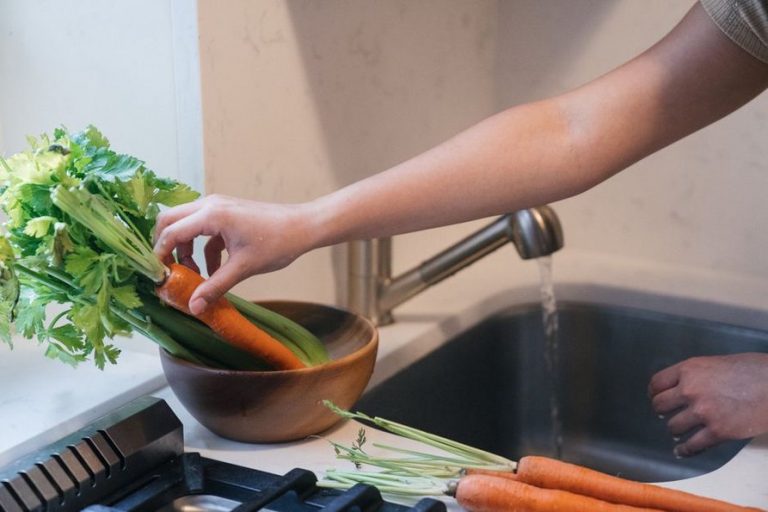
Start with a cooked poultry carcass or suitable bones, add enough water to cover them, and include aromatics such as onion, carrot, or herbs if you like. Simmer gently, then strain; a pressure cooker works too. Bones with connective tissue tend to make a fuller-bodied broth, but there is no need to aim for an exact simmer time or a thick gel.
- Choose bones you would use for ordinary cooking. Remove excess grease if you prefer a lighter broth. Use clean bones from properly handled food, not bones left at room temperature for extended periods.
- Keep additions simple at first. Onion and garlic add flavor, but some people with digestive sensitivity find them troublesome. A plain batch gives you more control over what goes into each dish.
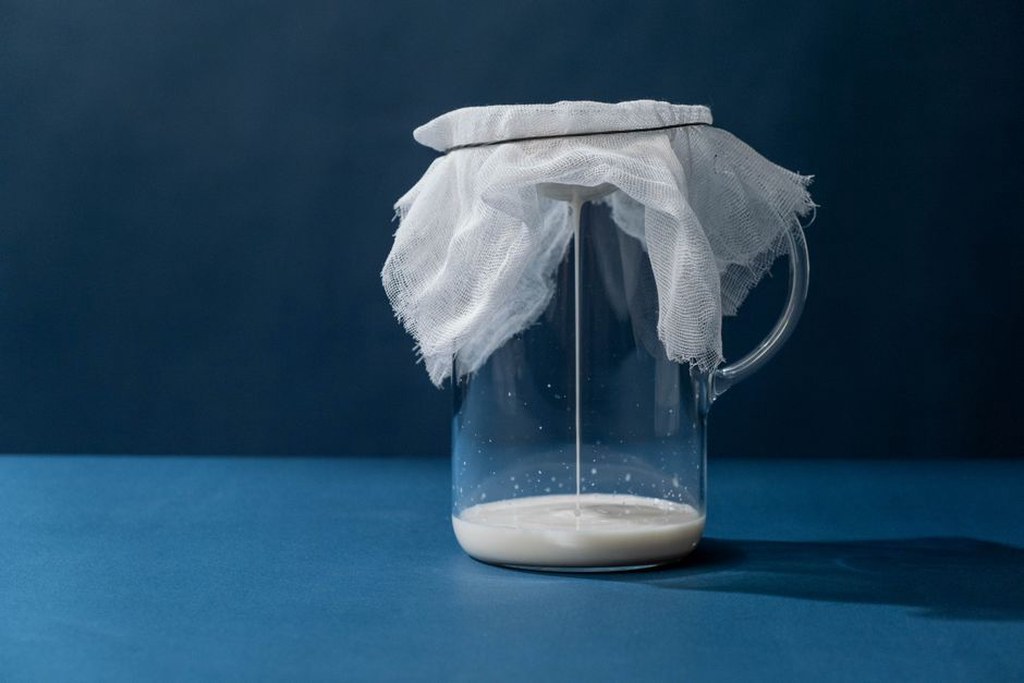
- Strain carefully and cool promptly. Divide the liquid among shallow containers rather than leaving a large hot pot on the counter. Refrigerate within two hours; use refrigerated broth within three to four days or freeze it.
- Season when serving. An unsalted batch is easier to use in different dishes and adjust to your household's sodium preferences.
Cook poultry broth thoroughly before tasting or serving it. If a batch shows signs of spoilage, discard it rather than trying to make it safe by reheating. After refrigeration, the fat will rise and firm up, so you can remove it if you want. Keeping some is a matter of taste, not a requirement for any health benefit.
Buying broth that suits your meals
Store-bought broth saves time, but “paleo” on the package is less useful than the ingredients inside. Read the full list for foods you avoid, then compare sodium and protein per serving. A high-protein bone broth may have added collagen; an ordinary stock may suit your cooking just as well if its ingredients fit your preferences. Plain broth gives you room to adjust the seasoning yourself.
If you follow an autoimmune protocol elimination phase, do not assume every bone broth fits it. Spice blends, pepper, tomato, or other additions may be excluded in the phase you are following. Check the label or make a simple batch using ingredients already in your plan. Elimination diets do not replace medical care; discuss substantial restrictions or ongoing symptoms with a doctor.
How to use it without mistaking it for a meal
Build a bowl with substance
Use broth as the base, then add cooked chicken or fish, soft vegetables, and an energy source such as squash or sweet potato if those foods suit your plan. The broth brings the bowl together; the solid ingredients provide more protein, fiber, and other nutrients. If the soup leaves you hungry, add more solid food rather than pouring a larger mug of broth.
Use small amounts where they change the dish
Freeze broth in small portions for deglazing a pan, moistening reheated meat, or simmering root vegetables. That way, you needn't open a large container for a few tablespoons. For more ways to adjust portions and ingredients when meals feel uncomfortable, the blog's guide to paleo meals and digestive comfort looks at practical changes to everyday meals.
A warm mug between meals can be pleasant when you want something savory. But broth is not plain water, and some packaged versions are quite salty. If you manage your sodium intake or follow fluid guidance from a clinician, count the broth accordingly.
When broth does not feel good
There is no single “gut-friendly” recipe. A rich, fatty broth may feel heavy; onion or garlic can bother someone sensitive to those ingredients. Some people also report trouble with long-simmered or stored foods, but symptoms alone cannot tell you that histamine—or any one compound—is the cause.
Change one practical feature at a time: skim the fat, try a shorter ingredient list, or have a smaller portion alongside a regular meal. If symptoms persist, worsen, or prompt you to cut out more foods, speak with a doctor. A food and symptom record can make that conversation more useful without turning each reaction into a diagnosis.
For a simple first use, freeze plain broth in half-cup portions. On a busy evening, thaw one in a saucepan with leftover chicken and cooked carrots. Add water until the soup is the consistency you like, then season the bowl rather than the whole batch.