A tray of roasted vegetables can feed two people tonight and leave enough for lunch tomorrow. But if one person is in the autoimmune protocol (AIP) elimination phase and the other isn't, the plates don't have to match. Start with a meal both can eat, then add any extras to individual servings. It's usually easier than making two dinners.
AIP elimination temporarily removes several food groups, including grains, legumes, dairy, eggs, nuts, seeds, and nightshades, before foods are reintroduced systematically. It's restrictive, and it isn't a treatment or a substitute for medical care. Discuss significant diet changes and persistent symptoms with a clinician; a registered dietitian can help you keep meals nutritionally adequate. At home, the immediate task is to make dinner workable for both people.
Build dinner around one shared base
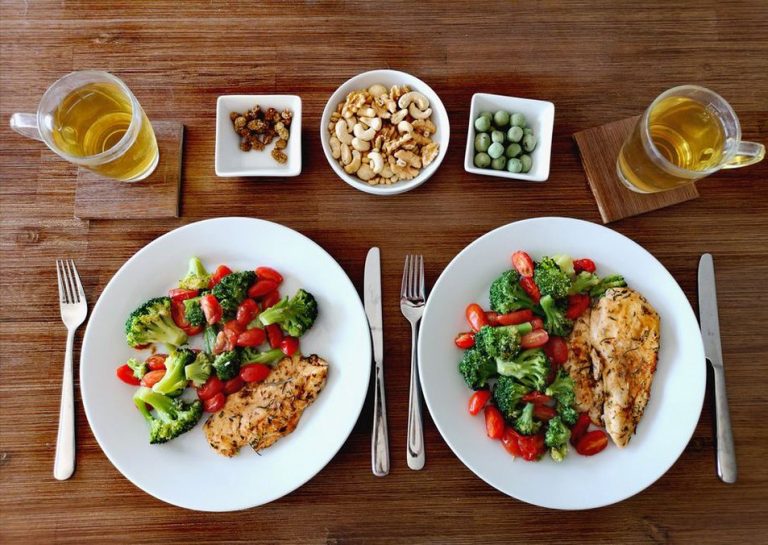
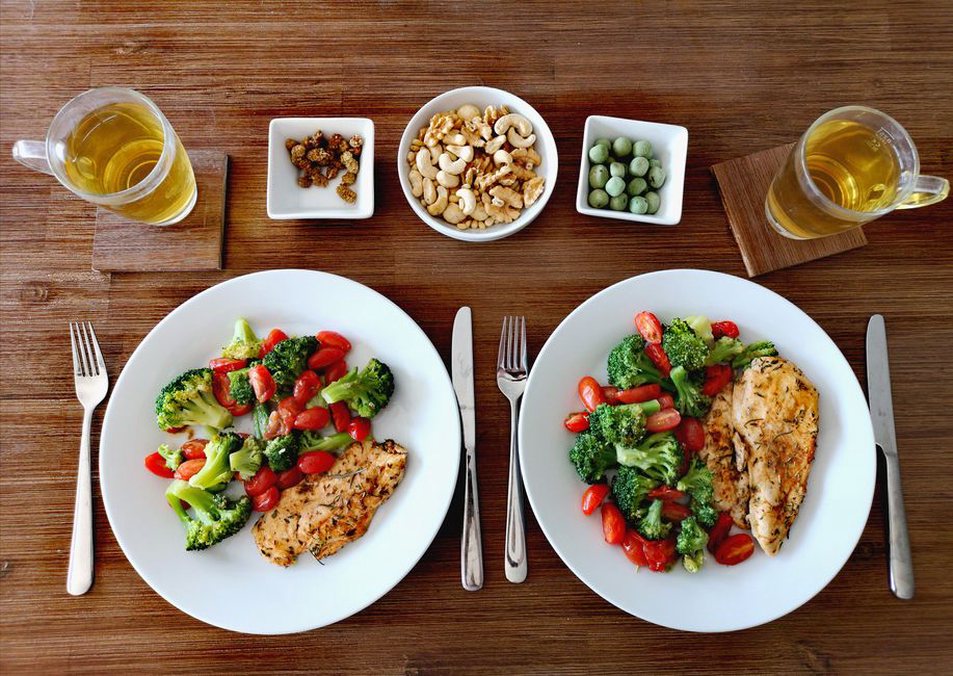
Pick a protein, a substantial vegetable or starch, and another vegetable that fit the elimination phase. Cook them together, then finish each plate separately. Chicken thighs, sweet potatoes, and broccoli could make an AIP dinner with olive oil and fresh herbs. The other person might add a sauce or side that isn't part of elimination.
Keep those extras out of the common pan. Rice, pasta, cheese, or hot sauce can go straight onto the non-AIP plate; use separate serving utensils when that distinction matters in your household. And give the shared meal enough food and flavor to stand on its own. The AIP plate shouldn't end up as plain meat and a few leaves.
Not everything labeled paleo fits AIP elimination. Packaged seasonings may contain seed spices, pepper, or nightshade ingredients, so check unfamiliar condiments before adding them to a shared dish. Garlic, ginger, lemon, herbs, and a cooking fat your household uses can keep dinner flavorful without a last-minute label hunt.
Plan a small number of repeatable meals
You don't need seven different dinner recipes for two people. Pick three evening meals and decide where the leftovers will go. One dinner might provide tomorrow's lunch; another might stretch further with freshly cooked vegetables. Leave a slot for using what's already in the refrigerator, especially if schedules, appetites, or digestive comfort change during the week.
A three-dinner example
- Roast: Chicken thighs, sweet potatoes, and broccoli. Serve the same tray dinner with separate finishing touches at the table, and reserve some chicken for lunch.
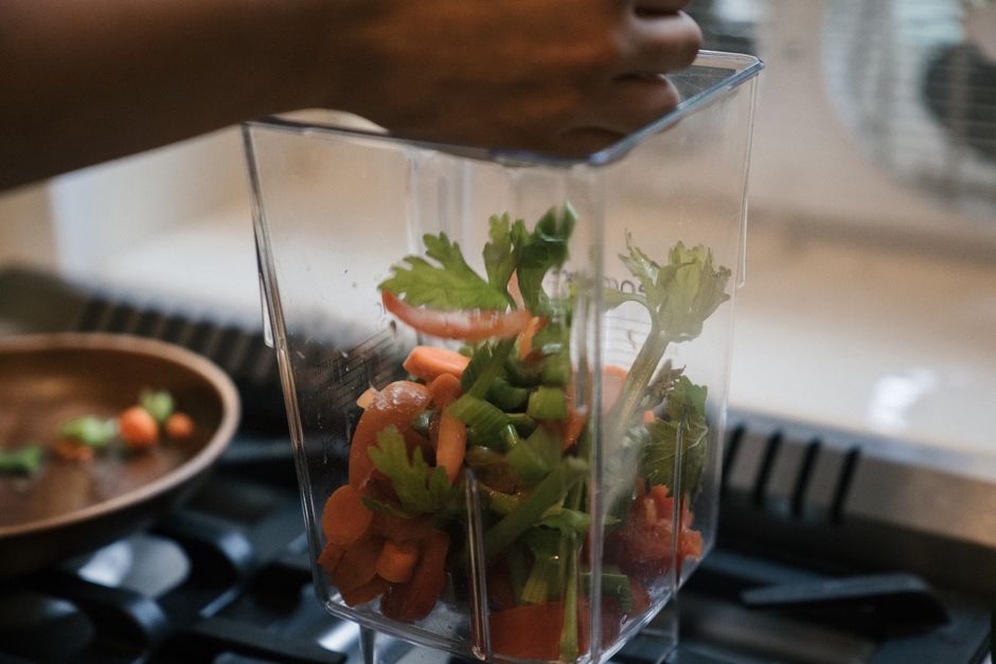
- Skillet: Ground turkey with zucchini, carrots, garlic, and herbs. Spoon it over roasted squash for the AIP plate; offer the other diner a separate side if they want one.
- Fish dinner: Baked fish with cooked greens and a fresh starchy side. If neither person likes reheated fish, cook only what you'll eat that night.
Use these as templates, not a fixed menu. Swap chicken for another protein or broccoli for a vegetable you both like. Repeating an ingredient in a different meal also keeps the shopping list manageable: carrots can roast beside chicken one night and go into the turkey skillet later.
Count the meals you'll actually eat before you shop. If both people will be home for three dinners, you need six dinner servings. If only one person needs a packed lunch twice, add two lunch servings rather than doubling every recipe. Check your freezer and pantry before deciding how much to buy.
Prep components, not a refrigerator full of finished plates
A short prep session can take the slowest jobs out of weekday cooking. Wash produce, chop sturdy vegetables, cook a protein that reheats well, and prepare squash or sweet potatoes. Keep sauces and delicate greens separate until serving. You'll still have room to adjust the meal if someone gets home late or wants something different.
Smaller batches often mean less waste in a two-person household. Make extra when you expect to eat it within the next few days, and freeze spare servings promptly if plans change. Follow local food-safety guidance on storage times, cool cooked food promptly in shallow containers, and reheat leftovers thoroughly. Label freezer containers with the contents and date.
Prep only what will save you time. Peeling and chopping a firm squash ahead may be worthwhile; cutting a delicate vegetable that will soften before dinner may not be. If a long prep session is tiring, wash vegetables one day and cook the protein another. Plain frozen vegetables can help too, provided their ingredient lists fit the plan.
A practical division of labor
One person doesn't have to become the household's AIP specialist. One adult can choose the shared protein and vegetables while the other checks pantry ingredients, washes produce, or handles the non-AIP extras. Agree beforehand which pan or portion will contain only elimination-phase ingredients. That way, no one has to stop dinner to check a seasoning blend already tipped into the pan.
Let leftovers solve lunch without dictating dinner
Leftovers help most when you know where they're going. Pack reserved chicken with cooked vegetables for the next day's lunch, or slice it over fresh greens just before eating. Plain roasted vegetables can accompany a newly cooked protein later in the week. Store components separately when you can so lunch doesn't turn into a soggy version of dinner.
Portions don't have to match, either. One person may want more starch; the other may need an extra serving of protein. AIP restrictions don't remove the need for adequate energy and variety. If meals have become too small without the usual bread, rice, or dairy, add satisfying AIP-compatible foods rather than treating hunger as part of the protocol.
To make a repeat meal feel different, change how you serve it. Have leftover turkey and vegetables in a bowl with warm squash one day, then alongside sautéed greens the next. Lemon or vinegar can freshen it up if tolerated and appropriate to the ingredients you're using.
Keep the non-AIP plate easy—and respectful
The person not following AIP doesn't need to eliminate foods by default. They might eat the shared dinner as it is, add a separate side, or make their own breakfast and lunch. Decide which meals really need to be shared. Coordinating every snack and morning meal can create more work without making dinner any easier.
It helps to separate preferences from protocol rules. If the non-AIP eater dislikes cooked cabbage, choose carrots that week rather than making two vegetable dishes. If the AIP eater is planning a reintroduction, prepare the test food separately and follow the plan discussed with their healthcare professional. A shared serving dish makes it hard to tell who ate the test food or how much.
Digestive responses differ, and a meal that fits AIP rules won't necessarily feel comfortable for everyone. Adjust vegetable texture, portions, and seasoning to what you tolerate rather than adding more restrictions by default. If symptoms persist, worsen, or make eating difficult, talk with a doctor about them and any further diet changes instead of narrowing the menu on your own.
Make the shopping list match the kitchen plan
Write your list around the job each ingredient will do: shared base, optional addition, or backup meal. A frozen protein and vegetables, plus an AIP-compatible starch already in the pantry, might cover a busy evening. The backup doesn't need to be an elaborate recipe.
Before checking out, look for ingredients likely to be left over: half a bunch of herbs, a large bag of greens, or more fresh protein than two people can use. Give them another planned use, buy less, or freeze what you can. If something is mainly for one person, a smaller package or shelf-stable option may make more sense.
For your next shop, write three dinner lines and give each planned leftover a specific lunch. One line could read: “Roast chicken, sweet potatoes, broccoli—two dinners and one chicken lunch.” It tells you what to buy and gives that extra chicken a destination.