Tomatoes, peppers, potatoes, eggplant, and spices such as paprika are left out during the Autoimmune Protocol (AIP) elimination phase. That can be surprising: these foods are familiar, colorful, and often nutrient-dense. Their temporary removal is not a judgment that nightshades are unhealthy for everyone. It simply reduces the number of variables while someone observes whether food changes relate to their own symptoms.
Which foods count as nightshades?
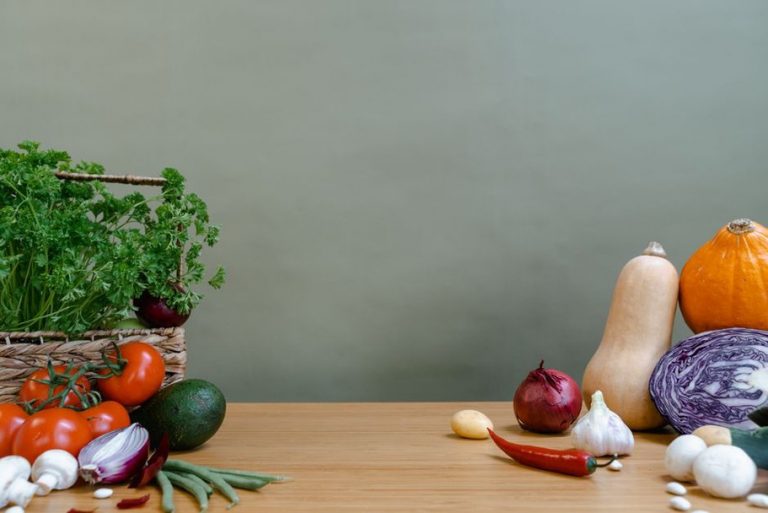
“Nightshade” refers to plants in the botanical family Solanaceae. In practice, AIP focuses on commonly eaten edible nightshades rather than every plant in this large family. The tricky part is that they show up not only as vegetables, but also in spice blends, sauces, packaged foods, and restaurant meals.
- Tomatoes: fresh tomatoes, tomato paste, passata, ketchup, marinara, salsa, and sun-dried tomatoes
- Peppers: bell peppers, chili peppers, jalapeños, poblano peppers, and hot sauces
- Potatoes: white, red, yellow, russet, and purple potatoes; sweet potatoes are not nightshades
- Eggplant: including aubergine-based dips and roasted vegetable mixes
- Nightshade spices: paprika, cayenne, chili powder, red pepper flakes, and many curry or taco blends
- Goji berries: a less common but relevant edible nightshade
Black pepper is not a nightshade. However, it is commonly excluded during strict AIP elimination because it is a seed-derived spice. This matters when reading labels: a food may contain no nightshades and still fall outside the elimination phase for another reason.
Why AIP removes them temporarily
AIP is a structured elimination-and-reintroduction approach adapted from paleo-style eating. The idea is to simplify food exposures for a limited period, then test foods methodically instead of assuming they must be avoided for life. Nightshades are among the foods some people report finding difficult during periods of digestive discomfort, inflammatory symptoms, or autoimmune disease management.
There are plausible biological reasons to study individual responses, but they do not prove that nightshades cause symptoms for any one person. Nightshades contain naturally occurring compounds, including glycoalkaloids in potatoes and eggplant and capsaicin in hot peppers. Depending on the compound, amount, preparation, and person, these may affect sensory irritation, digestive sensations, or immune activity in experimental settings. Cooking may alter some compounds, but it does not make a nightshade suitable for an elimination trial.
Evidence for eliminating nightshades broadly to treat autoimmune conditions is limited. Human research does not show that these vegetables are inherently harmful or that they worsen autoimmune disease for everyone. Outside an elimination trial, tomatoes, peppers, and eggplant can provide fiber, vitamin C, carotenoids, potassium, and welcome variety.
Why individual response is more useful than a universal rule
Symptoms that lead someone to try AIP—bloating, reflux, altered bowel habits, skin changes, fatigue, or joint discomfort—can have many causes. Discomfort after a spicy tomato meal might relate to the pepper or tomato, but it could also involve garlic, onion, a high-fat meal, portion size, alcohol, meal timing, stress, or an unrelated change in symptoms. Removing several foods at once cannot identify the cause by itself.
For that reason, AIP works best as a short-term learning framework, not a diagnostic test or a substitute for treatment. Keep medical care in place, and discuss persistent symptoms, unintended weight loss, concerns about restrictive eating, or meaningful dietary changes with a physician or registered dietitian.
Common practical sources of accidental exposure
Nightshade spices are often the hardest part of the switch. Paprika may be used to color smoked meats, seasoning salt, sausage, broth, barbecue rubs, salad dressings, and prepared vegetable dishes. Chili powder is usually a blend that can include several dried peppers along with cumin, garlic, and oregano. “Spices” on a label may be vague, so contact the manufacturer if strict avoidance matters to you.
| Usual nightshade ingredient | AIP-phase alternative |
|---|---|
| White potatoes | Sweet potato, cassava, plantain, winter squash, or cauliflower |
| Tomato sauce | Herb-based sauce, roasted beet and carrot blend, or olive oil with garlic and herbs |
| Paprika or chili heat | Ginger, garlic, turmeric, fresh herbs, citrus zest, or a little horseradish if tolerated |
| Bell pepper in salads | Cucumber, radish, celery, fennel, or roasted squash |
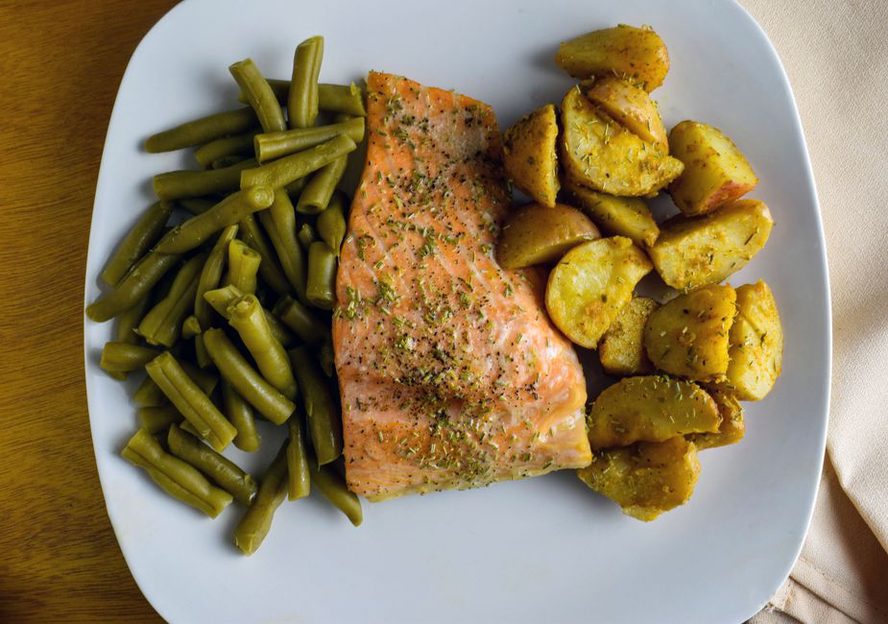
You do not need to reproduce every familiar flavor exactly. Aim for satisfying meals with enough energy, protein, vegetables, and fat rather than a perfect stand-in for pizza sauce or chili. Salmon with roasted sweet potato, sautéed greens, and lemon-herb dressing is often easier than searching for a replacement for every old favorite.
Protecting nutrient variety while avoiding nightshades
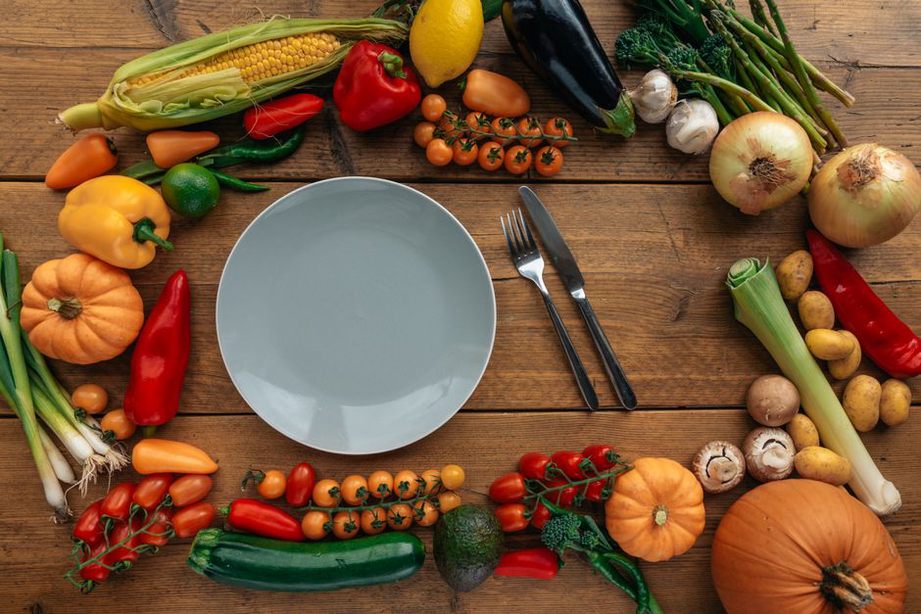
Giving up potatoes does not mean giving up starchy vegetables. Sweet potatoes, yams, taro, cassava, plantains, squash, and beets offer different textures and carbohydrate options. A wider range of vegetables can also help maintain color and micronutrient variety: leafy greens, carrots, broccoli, cabbage, mushrooms, cucumbers, asparagus, and berries may all have a place, depending on the rest of the protocol and personal tolerance.
Try not to fall into an overly narrow “safe food” routine. Meals built around only meat, a few vegetables, and coconut products can become monotonous and may not provide enough fiber or total energy. Elimination is meant to bring clarity while maintaining adequate nourishment, not to encourage maximum restriction. The practical strategies in How to Handle AIP Setbacks Without Over-Restricting can help when a symptom flare creates pressure to remove even more foods.
Reintroducing a nightshade with useful data
Reintroduction usually makes sense only once the elimination phase feels stable enough for a meaningful change to be noticed. Timing varies. Seek individual guidance if you have diagnosed autoimmune disease, a history of allergic reactions, active gastrointestinal disease, are pregnant, or may be at risk of nutritional inadequacy.
- Choose one food in a simple form. Test cooked, peeled white potato, plain cooked tomato, or a small amount of paprika on its own rather than a restaurant dish with several possible triggers.
- Keep the rest of the day routine. When possible, avoid testing during travel, acute illness, unusual stress, or major changes in sleep and exercise.
- Use gradually larger portions on one day. A small bite followed by a modest serving later, if no immediate issue appears, gives a more controlled exposure than a large meal.
- Return to the usual elimination pattern and observe. Record changes in digestion, skin, pain, sleep, and energy over the next few days, without assuming every fluctuation came from the food.
- Repeat or pause thoughtfully. A consistent pattern across separate trials is more informative than one unclear experience. Severe or concerning symptoms call for medical advice rather than repeated testing.
A simple food-and-symptom diary can keep the trial grounded. Note the food, preparation, amount, time eaten, and a few selected symptoms rated the same way each day. Plain roasted potato at lunch is easier to interpret than potato chips eaten with a late dinner and several drinks. If symptoms continue, affect daily life, or you are considering major dietary changes, discuss them with a physician.