
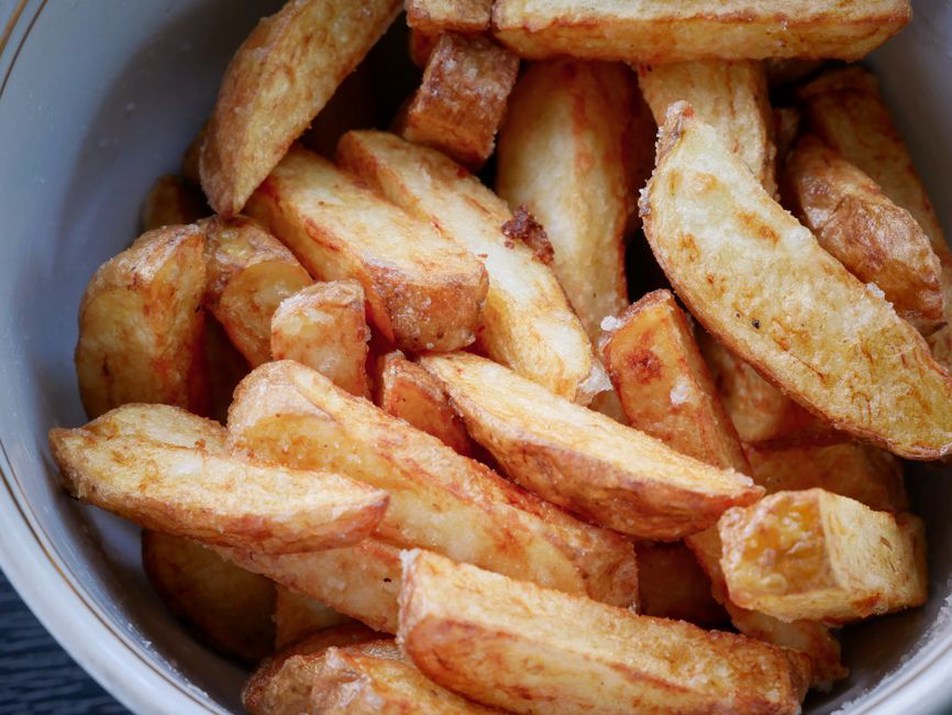
When I first committed to a paleo template, the food I missed most wasn't bread or pasta. It was french fries. Not the floppy, soggy kind from a fast-food bag, but the ones my grandmother made: thick wedges of potato, baked until the edges were dark and crunchy, the inside creamy and almost sweet. For months I assumed they were off-limits. Potatoes were starchy, right? And nightshades bothered my digestion after a deep elimination protocol. But once I reintroduced white potatoes carefully, I learned that a well-prepared fry can be both satisfying and gentle on the gut. The key is in the cut, the soak, and the fat.
Thick cut fries are a different animal from shoestring or fast-food style. The larger surface area to interior ratio means they absorb less oil, develop a better crust, and retain a soft center that doesn't feel like a starch bomb. For anyone managing bloating or sensitivity, the thick cut also slows down how quickly the starch hits your system, which can reduce that sudden distended feeling. Let me walk you through the method I have used for years.
Choosing the Right Potato and Treatment
Not all potatoes behave the same. For fries that stay firm and don't turn to mush, I use white or Yukon Gold potatoes. Sweet potatoes work too, but they behave differently—they caramelize faster and can burn before the inside is tender. If you tolerate sweet potatoes better than white, reduce the oven temperature by 25°F and check a few minutes early.
Do not peel them. The skin contains fiber that helps buffer starch absorption and it holds the fry together during baking. Scrub well. Cut each potato in half lengthwise, then cut each half into three or four long wedges depending on the size of the potato. Aim for a thickness of about half an inch to three-quarters of an inch. Too thin and they dry out; too thick and they take forever to cook through.
Here is the step that makes the biggest difference: soak the cut wedges in cold water for at least 30 minutes, preferably one hour. This rinses off surface starch that would otherwise make the fries gluey. It also reduces the resistant starch content slightly, which some people with sensitive guts find helpful. Drain them, rinse again, then pat them completely dry with a clean kitchen towel. Any residual moisture will steam the fries instead of crisping them.
Fat, Seasoning, and Temperature
You need a fat with a high smoke point. I use tallow or duck fat because they are traditional, rich in saturated fat, and stable at high heat. Coconut oil is also fine, though it adds a slight sweetness that does not suit every palate. Olive oil is not ideal here—it burns below 400°F and gives a bitter taste. If you only have olive oil, use a light or refined version, but tallow really shines for this application.
In a large bowl, toss the dried wedges with a few tablespoons of melted fat and salt. Use your hands to coat every surface. For seasoning, keep it simple: good sea salt and maybe a pinch of black pepper if you tolerate pepper. If you are avoiding nightshades, skip the pepper and use a little granulated garlic or rosemary instead. Do not overcrowd the bowl; work in batches if needed.
Preheat the oven to 425°F (220°C). Line a baking sheet with parchment paper—not foil, which can stick. Arrange the wedges in a single layer with at least half an inch between them. If they touch, they steam each other and you lose the crisp. Bake for 20 minutes, then flip each wedge with a spatula. Rotate the pan front to back. Bake another 15 to 20 minutes, watching closely the last five minutes. The fries should be deeply golden on the outside, with a few darker edges from caramelization. Let them rest on the pan for two minutes before serving; they continue to firm up as they cool slightly.
Adjusting for Digestive Comfort
Even well-prepared potatoes can cause trouble for some people. If you find yourself feeling heavy or bloated after eating them, consider a few tweaks. First, always eat your fries with a source of protein and some vegetables. A plate of fries alone spikes blood sugar and can feed gut bacteria that produce gas. Pair them with a fatty piece of meat or a handful of leafy greens.
Second, pay attention to portion size. For many, a single medium potato is enough. Three or four large potatoes in one sitting can overwhelm the digestive system regardless of preparation. Third, soak them longer—up to two hours—and change the water once. This leaches more starch and oligosaccharides, which are the compounds that ferment in the colon.
If you have been through a strict elimination phase and are unsure whether white potatoes fit your current tolerance, start with a small serving—one wedge—and wait 24 hours. Watch for changes in stool, gas, or bloating. This is the same principle I wrote about in my experience with SIBO and reintroduction, where even a single food can reveal a lot about your current state.
Make Them in Bulk and Reheat Well
Thick cut fries reheat better than thin ones. You can double the recipe and store leftovers in a covered container in the fridge for up to three days. Reheat in a 400°F oven on a parchment-lined sheet for about eight minutes, flipping once. Avoid the microwave—it turns them rubbery. For a quick lunch, I sometimes reheat them in a dry cast-iron skillet over medium heat, shaking the pan occasionally until they are hot and crusty again.
If you want to prep ahead, you can cut and soak the wedges up to a day in advance. Store them in a bowl of cold water in the fridge. When you are ready to cook, drain, dry, and proceed. This is especially useful if you are hosting a meal and want to minimize last-minute work.
A Note on Oils and Oxidative Stability
One concern I hear often is whether high-heat roasting creates harmful compounds in the fat. This depends entirely on the fat you use. Polyunsaturated oils like soybean, corn, or grapeseed break down at these temperatures and can form aldehydes. Tallow, duck fat, and coconut oil are predominantly saturated and monounsaturated, so they remain stable at 425°F. That is one reason traditional diets used animal fats for roasting vegetables—they are chemically suited to the task. If you buy tallow, look for grass-fed sources when possible; the fatty acid profile is slightly better, and the flavor is cleaner.
The Bottom Line on Fulfilling a Craving
A thick cut paleo fry is not a compromise. It is a different food than its deep-fried counterpart, and it deserves to be judged on its own merits. The texture is crisp and substantial, the flavor is pure potato with a hint of roasted fat, and the preparation respects your digestive system by removing excess starch and cooking at a controlled temperature. When you make them properly, you do not need ketchup or any condiment—though a simple aioli made with egg yolk and olive oil can be a fine addition if you tolerate eggs.
Try the method exactly as written before making modifications. The soak, the drying, the spacing, and the flip are not optional steps if you want that hard-earned crunch. Once you have the technique down, you can experiment with herbs like thyme or oregano added in the last five minutes of baking. But start plain. You might be surprised how satisfying a single ingredient can be when you give it the attention it deserves.