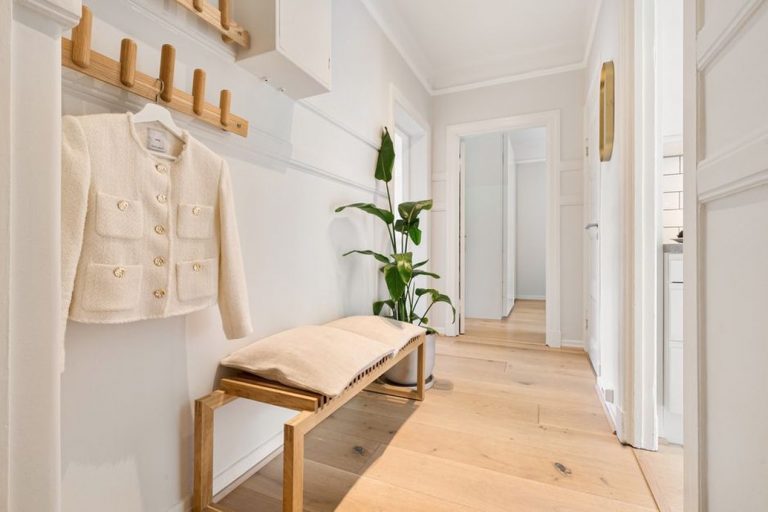
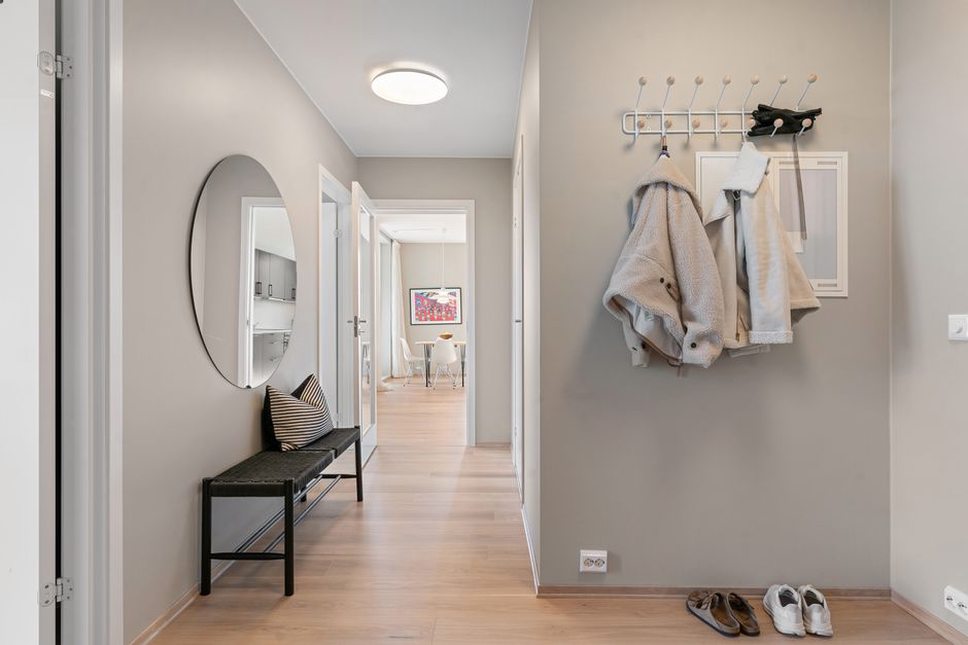
Clear a spot for coats and bags before worrying about the corners of the living room. It gives guests somewhere to put their things as soon as they arrive and keeps chairs free for sitting. Work through the house the same way: prepare the spaces people will use, then turn to the details if you have time.
Start with the visit you’re hosting
A friend coming for tea needs a different setup from relatives staying overnight. Before you start cleaning, note how many people are coming, when they’ll arrive, whether they’ll eat, and which rooms they’ll use. Ask about step-free access, stairs, or a quiet place to sit. If you’re serving a meal, check for allergies and food restrictions while there’s still time to plan.
Pick a few priorities. For a short visit, a clean bathroom, clear entryway, comfortable seats, and drinks may be enough. Overnight guests also need fresh linens, water, and a quick explanation of the shower or door lock. You don’t have to prepare rooms they won’t see.
A practical order of work
- Clear the way: Put away shoes, loose cords, and anything blocking walkways or seats.
- Clean shared surfaces: See to the bathroom, kitchen counters, dining area, and frequently used handles.
- Set out essentials: Check toilet paper and hand soap, put out a clean hand towel, and have drinking water and any planned food ready.
- Check comfort: Adjust lighting and temperature, make sure there’s enough seating, and choose a spot for belongings.
- Leave extras until last: Arrange flowers or set out games if time and energy remain.
It’s easy to spend half an hour arranging a shelf, then discover there’s no soap in the bathroom.
Make arrival easy
Send the address and useful arrival details ahead of time: which entrance to use, the buzzer number, or where guests can park. If the building entrance or public transport route is confusing, explain it briefly. Mention unavoidable stairs or other access barriers before guests reach your door.
Check that the doorbell works and the entrance is easy to identify. Clear the route to the main seating area, put a few hangers within reach, and choose a shelf or corner for bags. In wet weather, a mat and a spot for damp umbrellas help keep the floor safe.
Focus cleaning on rooms guests will use
Tidying makes a room usable; cleaning deals with dirt and hygiene. Do both where guests will spend time rather than trying to deep-clean the whole house. When you can, return clutter to its usual storage place instead of hiding it somewhere you’ll regret later.
Bathroom essentials
Wipe the sink, faucet, toilet, and any visibly marked surfaces. Empty the bin, check the toilet paper, and make sure the soap dispenser works. Put out a clean hand towel or another obvious way to dry hands. If guests will shower, leave them a bath towel, check the drain, and explain the hot-water controls. A plunger kept discreetly within reach can spare everyone an awkward conversation.
Kitchen and shared seating
Clear the counter space you’ll need for food, wash dishes blocking the sink, and wipe the table. Check chairs for crumbs or wobbly legs. If you have pets, remove hair from seats guests might use and offer another chair to anyone uncomfortable around animals. Briefly opening a window may help with cooking smells; strong fragrance can bother scent-sensitive guests and won’t replace ventilation.
It’s fine to close doors to private or unfinished rooms. Guests need a safe, comfortable route through the spaces you’ve invited them to use, not access to every cupboard.
Plan food around people, not labels
If you eat paleo or follow an elimination diet, your guests don’t have to eat the same way. Ask what they can eat and what they prefer before settling on a menu. “Any allergies or ingredients you need to avoid?” is more useful than asking someone to choose a dietary label. For a serious allergy, discuss ingredients and cross-contact directly: leaving an ingredient out of a recipe may not be enough if utensils or surfaces are shared.
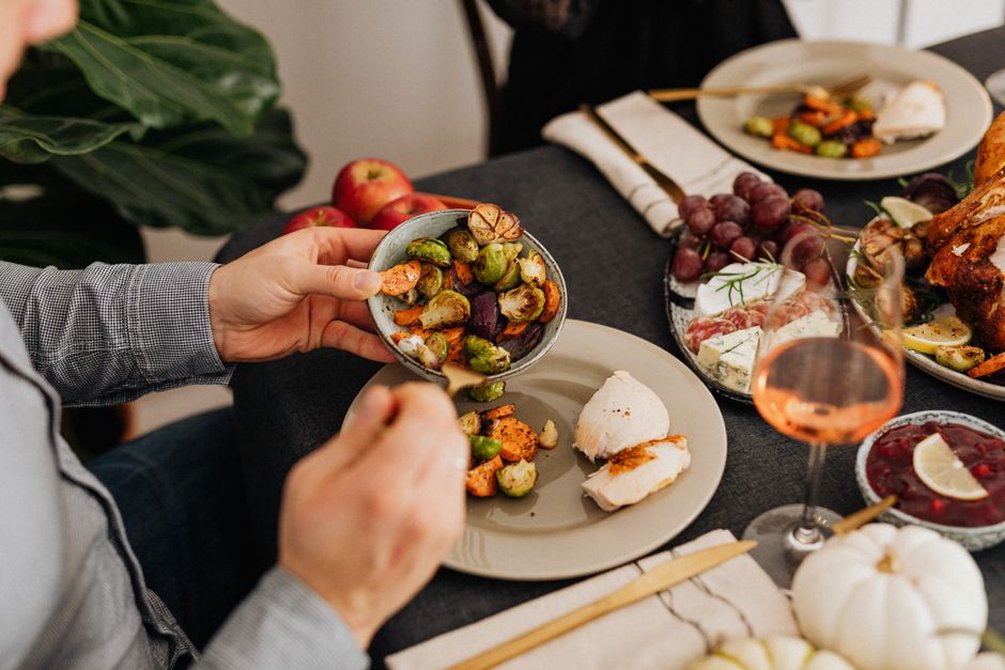
A meal with separate, recognizable components lets people choose for themselves. You might serve roasted vegetables, a simply seasoned protein, fruit, and sauce on the side. Keep dressings, nuts, seeds, and other ingredients that may cause problems separate when practical. If a guest needs to check a detail, keep the packaging until the meal is over.
For someone with digestive discomfort, mild seasoning and modest portions may be easier than a rich, multi-course meal, but tolerances differ. Don’t assume a dish is suitable for everyone because it’s paleo, gluten-free, or homemade. If you’re planning dessert, paleo desserts that feel better after dinner offers ideas about ingredients and serving size, without treating dessert as a health intervention.
Your own food restrictions matter too. Choose a meal you can prepare and eat comfortably, then offer extras separately if guests want them. There’s no need to start a restrictive diet for a gathering. Discuss significant dietary changes and persistent digestive symptoms with a doctor; an elimination diet is not a substitute for medical care.
Keep serving simple
Choose a place for drinks, glasses, and water before anyone arrives. Put a serving utensil with each dish so it doesn’t get passed between bowls. For a group, one dish you can make ahead is often easier than several that need last-minute attention. Think through storage and reheating, especially if someone may be late.
If you can’t safely accommodate an allergy in your kitchen, say so. That gives your guest a chance to bring food or make another arrangement rather than rely on a guess.
Prepare a comfortable place to stay
For overnight guests, clear a surface for a phone and glasses and leave space for luggage without blocking the doorway. Fresh sheets and a clean pillowcase matter more than decorative bedding. Leave a towel where it’s clearly theirs, or show them which one to use. Mention if the sleeping area gets bright early.
If possible, provide an outlet within reach and a lamp guests can switch on from bed. Check the room temperature around bedtime, not just in the afternoon, and leave a spare blanket. If someone is sleeping on the sofa, agree on when the shared space becomes their sleeping area and when others will need it in the morning.
Point out details that might otherwise go unexplained: which bathroom to use at night, a door that sticks, how the shower works, and the Wi-Fi password if they need it. A small card saves you from reciting a complicated password. Talk through keys and any alarm schedule rather than making assumptions.
Check safety without overhauling the house
Walk the route guests will take with a bag or in low light. Secure loose rugs, move trailing cables, and make stairs visible. If children are visiting, put medicines, cleaning products, and fragile items out of reach. Ask a parent or caregiver about specific needs; moving a few ornaments does not make a home childproof.
If pets rush the door, keep them somewhere secure during arrival. Ask about allergies or fears, and be honest about what you can manage in a home with an animal. For longer visits, show guests how to open the exit and find a light at night. Check smoke alarms as part of regular home maintenance, not just before the doorbell rings.
Leave time for the host
A short break before arrival may be worth more than one more round of polishing. Wash your hands, change if you need to, put chilled food away, and think through anything guests should know. Set a timer for the last kitchen task so you don’t forget it once conversation starts.
Only 20 minutes left? Spend five each on the bathroom, entryway, seating, and food or drinks. Put a clean towel by the sink, move shoes off the path, clear enough chairs, and fill a water jug. The bookshelf can wait.