
An almond-flour brownie sweetened with dates and topped with coconut cream can be paleo and still feel heavy after dinner. Even a small square may pack in more nuts, dried fruit, and fat than you would comfortably eat on their own. If dessert often leaves you uncomfortable, look past the recipe label to the ingredients, portion, and timing.
“Gut-friendly” is personal; it does not mean a food will prevent symptoms or improve your microbiome. A treat need not recreate every part of a conventional cake, either. Warm fruit, a few spoonfuls of lightly sweetened custard, or a small cookie with berries may be plenty.
Why paleo desserts can be hard to digest
Paleo baking often replaces grains and dairy with nut flours, coconut products, eggs, fruit, and starches. Those swaps can make a good dessert, but they do not rule out bloating, reflux, or an uncomfortably full feeling.
- Nut and coconut flours concentrate a lot into a small serving. Large amounts of nuts or fat may feel heavy, especially after a full meal.
- Dates, dried figs, and fruit concentrates add sweetness along with sugars and fermentable carbohydrates. Larger portions can leave some people gassy or bloated.
- Honey fits many versions of paleo eating, but it may bother people sensitive to fructose. Maple syrup has a different composition, though it is still added sugar.
- Coconut cream and cocoa make desserts rich. Chocolate can also aggravate reflux for some people.
- “Sugar-free” sweeteners are not necessarily easier on digestion. Sugar alcohols such as sorbitol or erythritol can cause symptoms, particularly in larger amounts.
None of these ingredients calls for a blanket ban. Look at how much ends up in each serving: three dates spread across eight portions are quite different from a cup of dates used as the base of a recipe.
Build the dessert around a familiar food
Fruit offers sweetness and an easy-to-judge portion without a long ingredient list. You might bake a pear or apple with cinnamon, serve a small bowl of berries, or gently warm sliced peaches in a pan. Cooking softens fruit and may make it more pleasant to eat, but it does not reliably remove fermentable carbohydrates. Start with fruit you already tolerate rather than assuming a cooked version will be symptom-free.
A spoonful of coconut yogurt, a little coconut cream, or some toasted walnuts can finish the dish without turning it into a dense, layered dessert. If you buy coconut yogurt, check the label: some brands add inulin or chicory root fiber, which can contribute to gas in sensitive people.
If raw fruit tends to bother you, try a small portion of a cooked variety you know you can eat. If symptoms persist even then, dessert swaps may not tell the whole story. Discuss ongoing digestive symptoms and significant diet changes with a healthcare professional.
Use sweetness and richness with intention
Paleo does not mean sugar-free. Honey, maple syrup, and date paste all sweeten food; none has a special ability to protect digestion. Instead of replacing white sugar measure for measure, use flavor and texture to make a smaller amount satisfying.
- Lean on aroma: cinnamon, ginger, vanilla, and citrus zest can bring out sweetness without more syrup. Go easy on citrus if it worsens your reflux.
- Add contrast: a little sea salt or toasted coconut can make a mildly sweet dessert more satisfying.
- Keep fat in proportion: nut butter or coconut cream can be a finishing touch, but piling both onto an almond-flour base makes for a very rich serving.
- Make portions visible: bake muffins in individual cups or cut bars before storing them. A defined piece is easier to gauge than repeated spoonfuls from a dish.
There is no universal safe serving size. If dessert often leaves you uncomfortable, try a smaller serving of your usual recipe first. Changing the sweetener, flour, and toppings at the same time makes it harder to tell what mattered.
Three low-fuss dessert ideas
1. Warm berries with a crisp topping
Warm fresh or frozen berries until they release their juices. Give each serving a small sprinkle of chopped, toasted nuts and unsweetened coconut flakes, if you tolerate them. The berries make up most of the dessert, while the topping adds crunch without a full nut-flour crust. Choose a berry variety you know suits you.
2. Cinnamon-baked fruit
Halve and core apples or pears, sprinkle with cinnamon, and bake until tender. If you want more sweetness, drizzle a little maple syrup over the fruit afterward rather than pouring it into the baking dish. Apples and pears can be high in fermentable carbohydrates, so they will not suit everyone. Baked berries or a tolerated portion of another fruit can take their place.
3. Small chocolate-coconut cups
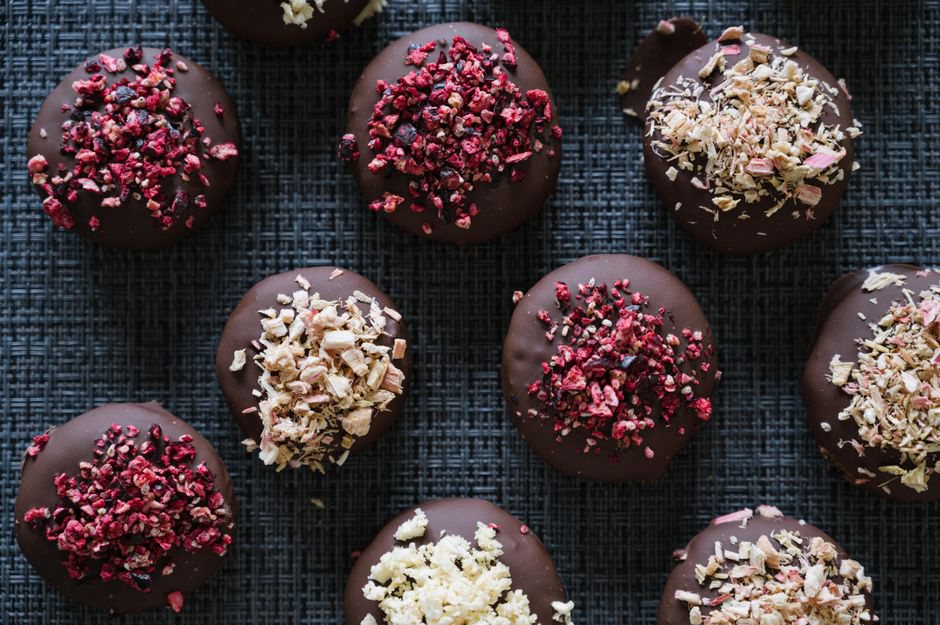
Mix a small amount of melted dark chocolate with coconut cream, divide it among tiny cups, and chill until set. Serve with a few berries instead of a date-based crust. Check the chocolate label for dairy or other ingredients you avoid. If chocolate or rich foods trigger reflux, choose a fruit-based dessert instead.
Know when a recipe does not fit your elimination plan
Standard paleo and the elimination phase of the autoimmune protocol (AIP) are not interchangeable. Many paleo desserts contain eggs, nuts, seeds, cocoa, or seed-derived spices, all excluded during a strict AIP elimination phase. Coconut and fruit appear in many AIP recipes, but your tolerance and the details of your plan still matter. An AIP label does not make a large serving automatically comfortable.
Dessert is also a poor way to test several foods during reintroduction. If a chocolate-almond cake contains eggs, almond flour, cocoa, and several spices, you cannot tell which ingredient might be associated with a symptom. Follow the reintroduction plan you have agreed on with your clinician or dietitian, and keep trial foods separate enough to interpret. Elimination diets are restrictive tools, not default long-term menus, and they should not replace medical care.
If dessert regularly brings discomfort
Look for patterns without treating every symptom as proof of an intolerance. What you ate earlier, meal size, eating speed, stress, and bedtime may all affect how you feel. A brief note of the dessert, approximate portion, timing, and symptoms can be more useful than trying to recall them days later. The blog's guide to keeping a paleo food journal without overthinking it offers a way to spot patterns without logging every bite indefinitely.
Persistent bloating, pain, reflux, or changes in bowel habits warrant a conversation with a healthcare professional, especially before you restrict more foods. Seek prompt medical advice for blood in the stool, unexplained weight loss, or difficulty swallowing.
For your next dessert, warm a familiar fruit with cinnamon and add a teaspoon of a topping you tolerate. Keep the portion one you normally enjoy, and note how you feel before trying a new flour, sweetener, or cream.