When the first batch of Paleo on the Go meals arrived at my doorstep in early 2017, the packaging was neat—each entrée sealed in a compostable tray with a simple label listing ingredients, allergens, and heating instructions. The company, founded by a chef and a nutritionist, promised restaurant-quality paleo meals delivered nationwide, frozen, and ready to reheat. For someone deep in an elimination diet and tired of batch-cooking every Sunday, the concept was appealing. But did the reality match the promise? And more importantly, could the meals support the kind of careful, symptom-aware eating that readers of this blog aim for?
What Paleo on the Go Offered in 2017
Paleo on the Go’s core menu rotated monthly and included breakfasts, lunches, dinners, and snacks. All meals were free of grains, legumes, dairy, refined sugar, soy, and artificial additives—standard paleo compliance. They also offered a separate Autoimmune Protocol (AIP) line that removed eggs, nuts, seeds, nightshades, and spices like paprika and cumin. That AIP option was a rarity at the time; most paleo delivery services either ignored elimination phases or only offered a handful of compliant meals.
Orders could be placed as a one-time purchase or a subscription. Minimum order was six items, and shipping was included in the price (around $12–$15 per meal depending on the plan). Meals arrived frozen in dry ice, with a shelf life of about three months in the freezer. Reheating was straightforward: microwave for 2–3 minutes or oven for 10–15. For someone managing digestive symptoms, the ability to pull a meal from the freezer without any prep work was a genuine time-saver.
Ingredient Quality and Transparency
Every meal listed its source ingredients. Proteins came from grass-fed beef, pastured chicken, wild-caught fish, and occasionally bison or lamb. Vegetables were organic where possible, though the company did not claim 100% organic certification. The AIP meals, for instance, featured sweet potato, kale, carrots, and zucchini as staples—low-FODMAP choices that are generally well-tolerated during elimination.
One detail I appreciated was the inclusion of preparation dates and lot numbers on each tray. This made it easy to track if a particular batch caused any reaction—useful for anyone keeping a food diary like the one we discussed in a post about meal spacing and bloating. The company also published a full ingredient list online for every menu item, which allowed me to cross-check against my personal triggers before ordering.
What Was Missing
Despite the transparency, there were gaps. The meals were designed to be shelf-stable frozen, so they used a fair amount of salt—often around 600–800 mg per serving. For someone with salt-sensitive bloating or blood pressure concerns, that could be an issue. Also, the AIP line did not explicitly state whether they used low-temperature cooking to preserve heat-sensitive nutrients. Most items were pressure-cooked or roasted, which is fine for protein and minerals, but vitamin C content in vegetables would be lower than fresh.
Another limitation: the menu did not accommodate nightshade-free preferences outside the AIP line. If you were in the reintroduction phase and wanted a paleo meal without tomatoes or peppers but still containing eggs or nuts, you were out of luck. The standard and AIP menus were strictly separated.
Digestive Comfort in Practice
I tested six meals over two weeks: three from the standard paleo menu and three from the AIP menu. The standard meals included a beef stew with carrots and mushrooms, a chicken curry with coconut milk and cauliflower rice, and a salmon cake with a side of sautéed spinach. The AIP meals were a lamb and sweet potato hash, a turkey meatball with zucchini noodles, and a pork loin with roasted root vegetables.
Digestion-wise, the AIP meals caused no noticeable bloating or discomfort. The standard meals, however, triggered mild bloating in two instances: the chicken curry (likely from the high coconut milk fat content combined with cauliflower) and the beef stew (possibly from the mushrooms, which are a common gas trigger). This is not a flaw of the service per se—individual tolerance varies. But it’s a reminder that even with a compliant meal service, knowing your personal triggers matters most.
Meal Spacing and Portion Sizes
Each meal was portioned at about 10–14 ounces, which is moderate for a single serving. I found that eating one of these meals every four to five hours worked well for my digestion. The meals were balanced in protein and fat, so they provided steady energy without the blood sugar spikes that can happen with carb-heavy paleo snacks. If you are used to larger portions, you might need to supplement with an extra serbing of vegetables or a small piece of fruit.
For those following a structured elimination protocol, the convenience of having a fully compliant meal ready in minutes can reduce the temptation to reach for a non-compliant snack when energy is low. That alone can make a difference in adherence—and adherence is often the hardest part of any etimation diet.
Comparing to e Home Cooking and Other Services
At around $12–$15 per meal, Paleo on the Go was more expensive than cooking from scratch but cheaper than many restaurant options or fresh meal kits. Compared to other paleo delivery services of the era (like Pe’s Paleo or The Good Kitchen), Pale on the Go offered a wider AIP selection and clearer labeling. However, the taste was generally good but not exceptional—the meals were seasoned simply, which is typical for AIP-friendly food that avoids strong spices.
If you are someone who enjoys cooking and has the time, you can certainly replicate most of these meals with recipes from a practical AIP cookbook like The Healing Kitchen. But if you are in a busy season of life—travel, work deadlines, or a flare-up that leaves you low on energy—a service like this can be a reliable bridge.
Who Might Benefit Most
- People in the early elimination phase of AIP who need guaranteed compliance without label-reading every ingredient.
- Travelers who can pack frozen meals (with a cooler) for trips where paleo options are scarce.
- Anyone managing fatigue or brain fog who wants to reduce decision fatigue around meal prep.
- Those with mild to moderate food sensitivities who can tolerate the moderate salt and typical frozen-vegetable texture.
On the other hand, if you have severe histamine intolerance or react to any form of storage (frozen meals can accumulate histamines over time), this service may not be ideal. The company did not provide histamine-level data, and the meals could sit in a warehouse for weeks before delivery.
Practical Takeaways
Paleo on the Go’s 2017 offering was a solid option for paleo and AIP eaters who valued convenience without sacrificing ingredient standards. It was not a cure-all—no meal service can replace the individualized approach of a carefully planned elimination diet and thoughtful reintroductions. But as a tool to maintain compliance during stressful periods, it earned its place in the kitchen.
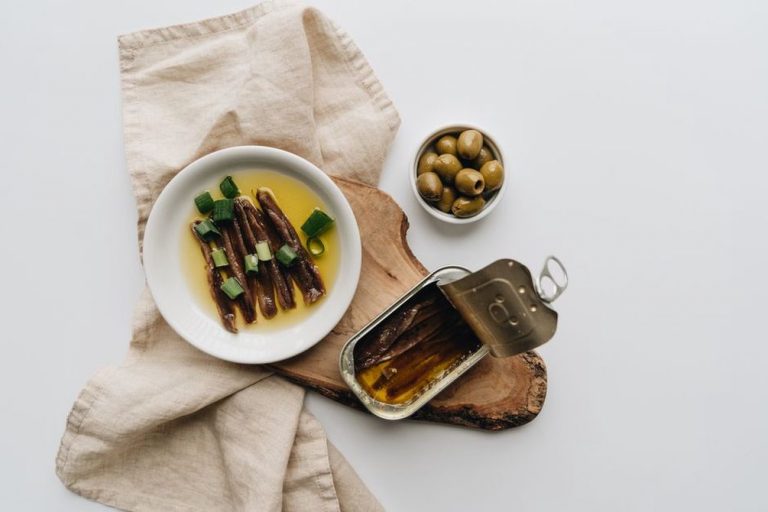
If you decide to try a similar service, I recommend ordering a small sample first. Pay attention to how your digestion responds over 48 hours after each meal. Use the lot numbers to track any reactions. And always keep a backup plan—a bag of frozen vegetables and a can of sardines—in case a particular meal doesn’ sit well. Having that backup—say, a bag of frozen spinach and a can of salmon—meant I never felt stuck when a meal didn’ sit right.